Interview and text: Megumi Maruyama (URA, Planning and Project Development Division, Academic Research & Industry-Academia-Goverment Collaboration)
About 15 years have passed since the University Research Administrator (URA) profession began taking root at Japanese universities. This issue features a one-on-one interview with Koomi Sung, a chief research administrator, who has continued in the role since those early days.
As universities change, so does the work of URAs. Sung’s career traces that evolution — from regional collaboration and international communications to research planning. Here, she reflects a decade of change.
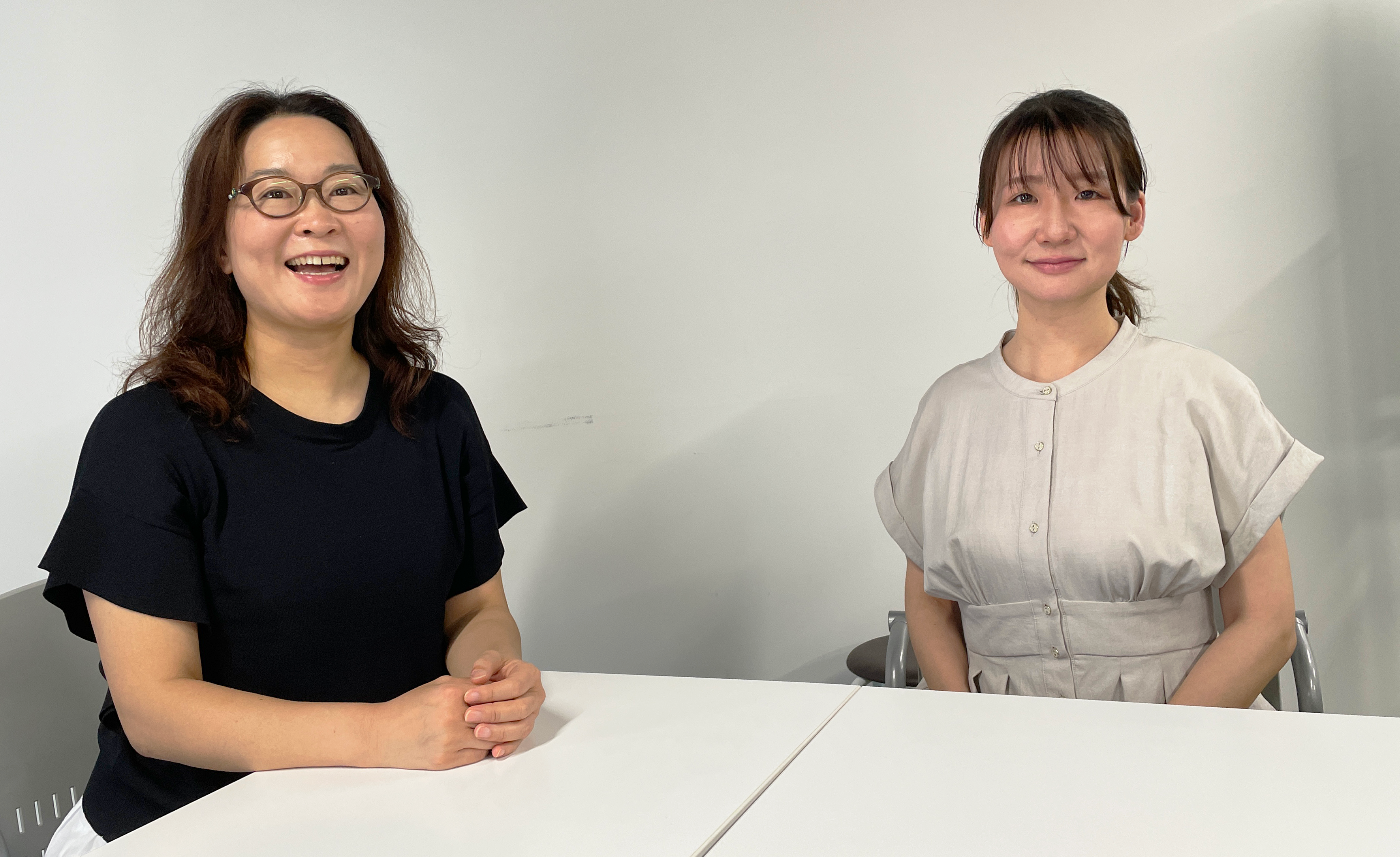
Koomi Sung, Chief Research Administrator
Head of the Planning & Project Promotion Division
Specialist in social education and lifelong learning. Joined Nagoya University as a URA in 2014 after working as a university faculty member. Wrote this newsletter’s regular URA Column until FY2024 and appears here as an interviewee for the first time. An avid Chunichi Dragons fan.
⸻ You joined in 2014, when URA was still a new role in Japan. Weren’t you anxious about jumping into such a new profession?
Sung: Not really. At the time, I was a university faculty member. After getting married and having children, I was looking for a role where I could contribute in a different way while balancing family life. I came across a URA position through a job posting, and it felt like the right next step. I joined as part of one of Nagoya University’s first large cohorts of URAs.
⸻ It must have been encouraging to start with such a large group. What was your first assignment?
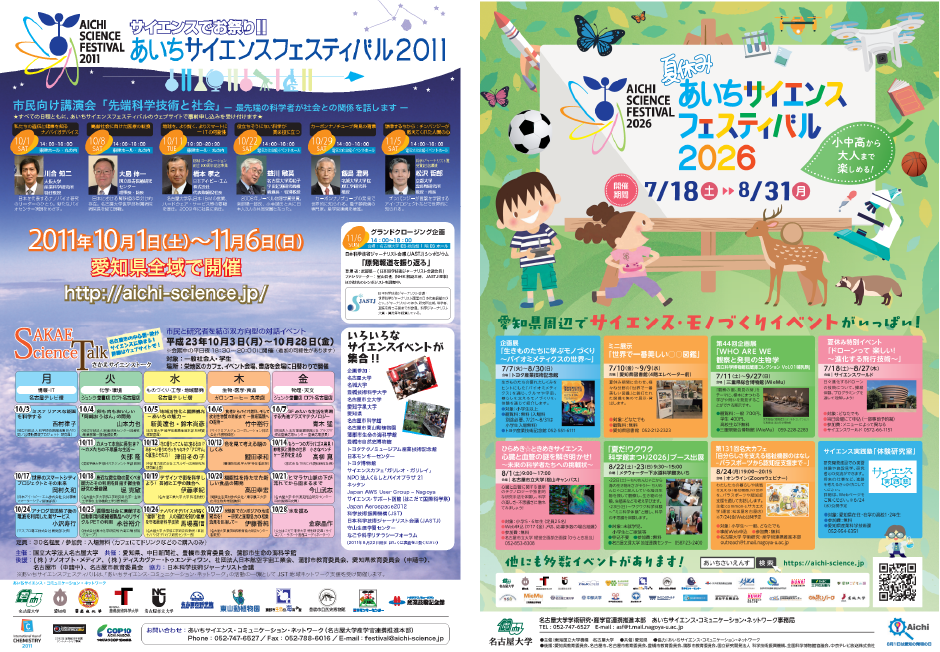
Sung: My first assignment was the Aichi Science Festival, a regional science festival. I’m still involved with it today.
Aichi Science Festival
A regional science festival that’s been running since 2011. Coordinated by Nagoya University through the Aichi Science Communication Network, it brings together around 30 institutions across the Tokai region. About 70 events are part of the Summer 2026 festival, offering people across the region opportunities to experience science.
⸻ Wasn’t that quite far from your expertise?
Sung: Actually, not as much as you’d think. I had originally been researching how universities open themselves up to their local communities, and at my previous university I was often involved in collaborations with local NPOs and municipal governments. So for me, it felt like a natural continuation.
⸻ What was the atmosphere like in the early days?
Sung: Things were a bit more relaxed back then (laughs). I was simply operating on the sense that we should offer something good for the community, so I reached out to all kinds of people willing to talk about science, not just Nagoya University researchers. But as time went on, there was growing emphasis on how these activities would benefit Nagoya University. That was when I began to think more strategically about research communications.
⸻ So the direction shifted toward strategically communicating Nagoya University’s value. What did that look like in practice?
Sung: I proposed sending research results out to the world in English. At the time, Nagoya University wasn’t issuing English-language press releases, and I felt we were behind other leading universities in Japan. Around then, there was a URA task force system for proposing improvements to URA operations, so with cooperation from the Institute of Transformative Bio-Molecules (ITbM), which was already ahead on research communications, we launched our English press release effort. Focusing on research with social impact, I put out more than 40 English press releases over about 14 months, from 2017 to 2018.
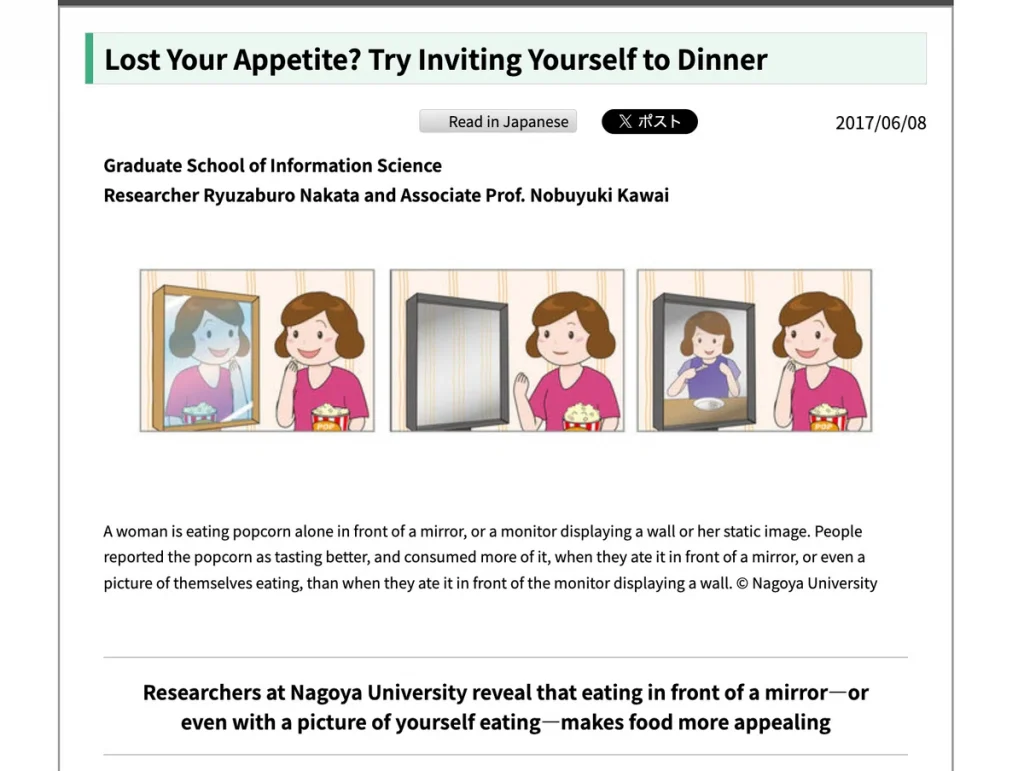
⸻ Today, the International Communications Office actively sends information overseas through the website and press releases. It seems like your work may have been the starting point.
Sung: Actually, I can’t claim direct credit. We proposed creating a dedicated international communications office, inspired by other universities, but our proposal never gained enough momentum. The English press release initiative was later handed over to another department, so I was genuinely thrilled when the International Communications Office was finally established in 2022.
⸻ After that, your work expanded from communications into research planning. What prompted that shift?
Sung: I had worked as a faculty member and had experience in university planning and regional collaboration, so I wanted to put those skills to use beyond communications. My first project was helping prepare for the launch of TOIC, an industry–academia collaboration hub that opened in 2025. Today, I work on planning major research initiatives, including JAXA’s Space Strategy Fund and JST’s COI-NEXT program.
⸻ Even as your responsibilities have changed, you always seem to be looking at the bigger picture.
Sung: When I joined Nagoya University, I remember feeling, “This is a university that serves its region.” That feeling has stayed with me ever since. I find it rewarding to look at the bigger picture and help tackle the challenges facing Japanese universities.
⸻ How do you see the future of the URA profession?
Sung: AI will change the work of URAs in many ways. Tasks like reviewing proposals or drafting project plans may increasingly be handled by AI. But explaining ideas to researchers, bringing people together, and connecting valuable research with society — those are things I still believe only human URAs can do.
⸻ Nagoya University’s URA organization has changed a great deal over the past decade. Looking back, what stands out to you?
Sung: We’ve come a long way. Our foundations are now in place, but over the years we’ve kept adding new functions. Sometimes I wonder if we’ve become like an overgrown plant. As universities continue to change, I think it’s important to take time to reflect on what kind of organization we want to be.