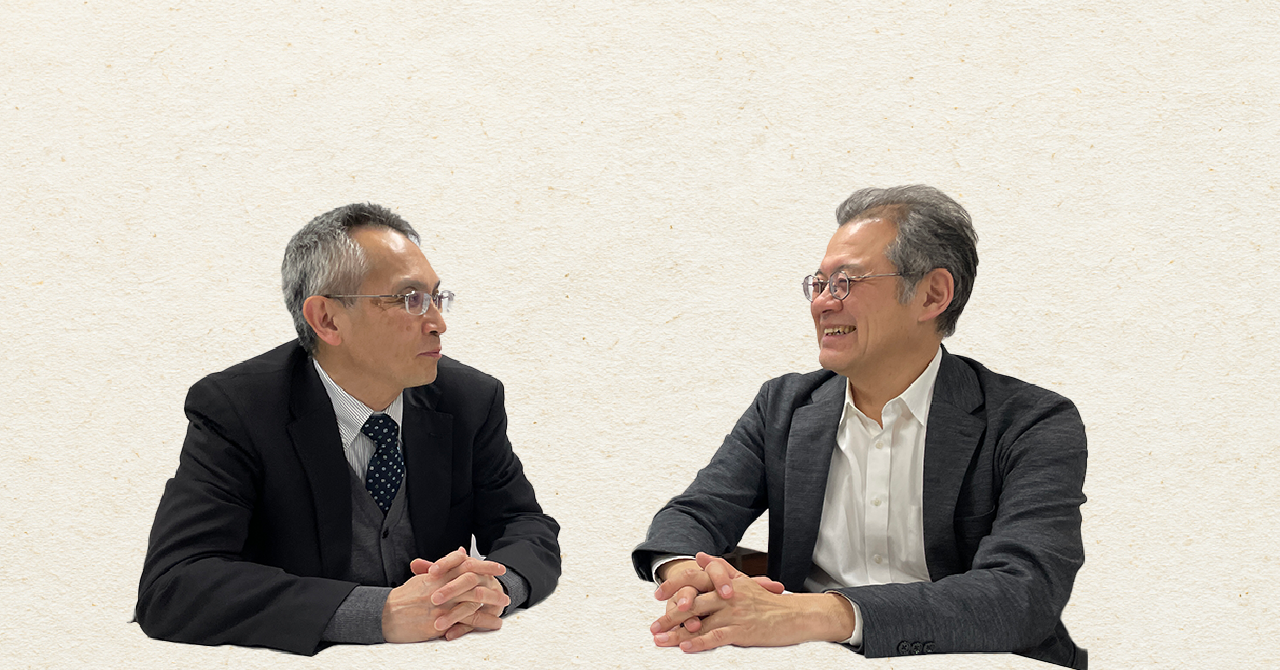
Interview and text: Megumi Maruyama (URA, Planning and Project Development Division, Academic Research & Industry-Academia-Government Collaboration)
Research support schemes can feel like solid foundations—hard infrastructure that sustains academic work. Yet even the strongest systems can fall short when researchers must navigate them alone.
This is where university research administrators (URAs) step in. Through dialogue—the “soft” side of support—they translate institutional frameworks into responsive assistance that meets researchers where they are.
This article explores one example of early-career researcher support through an interview with Assistant Professor Hanako Hagio and Lead URA Mayuko Kumasaka.
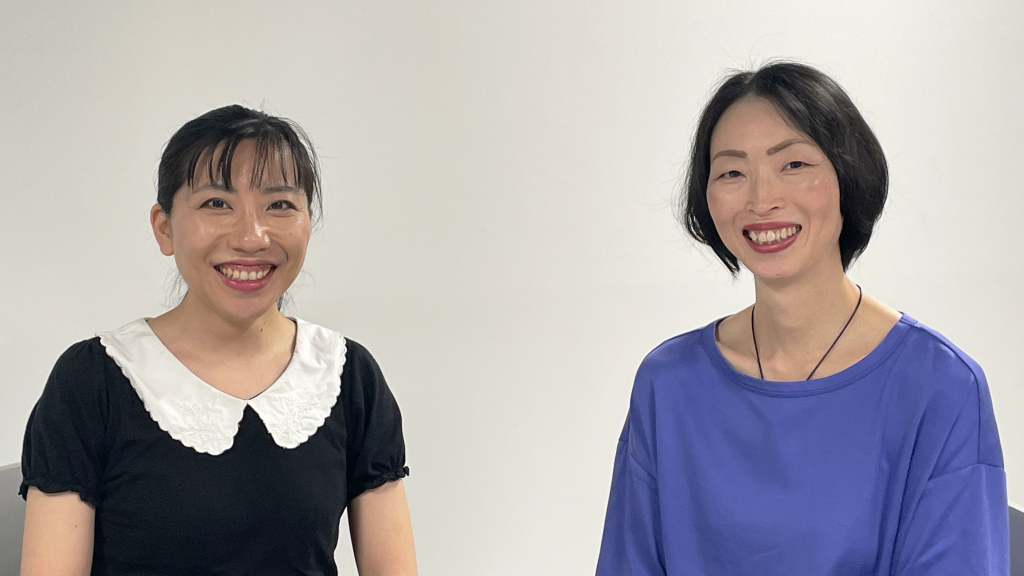
Graduate School of Bioagricultural Sciences / Institute for Advanced Research
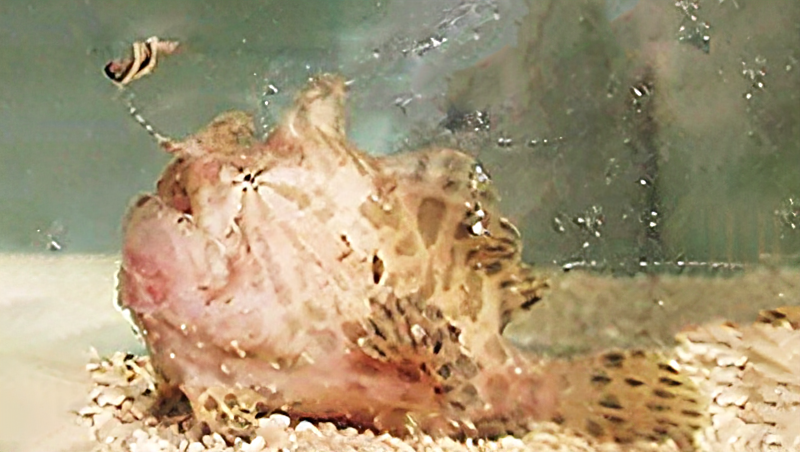
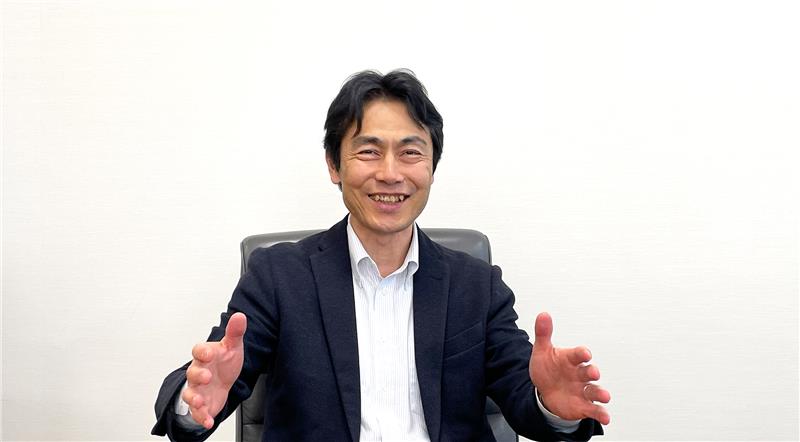
Hagio studies fish vision, with a particular fondness for gobies. A question from a fisherman about how fish perceive the world sparked the line of inquiry that continues to shape her work.
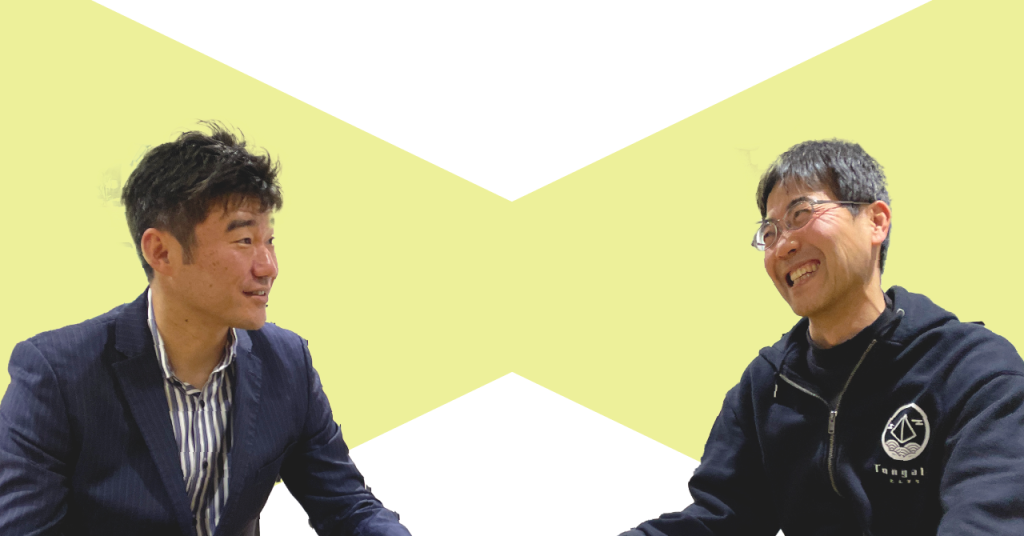
Mayuko Kumasaka, Lead Research Administrator (Right)
Research Support & Personnel Development Division, Academic Research & Industry-Academia-Government Collaboration
Kumasaka supports early-career researchers. Often described by young researchers as a “workplace mom,” she works to strengthen the “soft” side of support through dialogue and psychological insight.
──When did you first meet?
Kumasaka: About ten years ago, at a networking event between companies and graduate students. Hagio stood out as someone who explained her research with clarity and confidence.
Hagio: The following year, I spent two months at CNRS, France’s national research organization, and we exchanged emails about that experience.
Kumasaka: Yes—we later realized that her host institute was close to where I had studied abroad. We talked about the research environment and daily life there.
── That kind of connection must have been reassuring. Did the support start around then?
Kumasaka: Not quite. It really began after she took up a faculty position at Nagoya University.
Hagio: Before spending time in France, I was seriously considering a career in industry. That experience changed my thinking—I realized I wanted to pursue research. After returning from France, I was selected for the Young Leaders Cultivation (YLC) Program, and that’s when my interaction with Kumasaka truly deepened.
The YLC (Young Leaders Cultivation) Program, run by the Tokai National Higher Education and Research System, supports early-career researchers selected through international open calls across disciplines, providing five-year assistant professorships and research support.
── As you reached the later stages of the YLC program, how was the experience?
Hagio: It gave me the time and resources to focus deeply on my work on fish visual circuits. Writing grant proposals and presenting my research was excellent preparation for the next stage of my career.
── And this was when Kumasaka’s support began?
Hagio: Yes. Talking with her helps me clarify my strengths and how to communicate my research.
Kumasaka: I’m glad to hear that. Through regular meetings, I support researchers like Hagio by working through proposals and presentations together.
── That led you to apply for the Tokai Pathways to Global Excellence (T-GEx) program as well.
Hagio: Exactly. While deepening my basic research through YLC, I began exploring more applied directions, including feed development for aquaculture fish. I realized I was eligible for T-GEx just before the deadline, but Kumasaka encouraged me to apply.
Kumasaka: Last-minute applications are surprisingly common (laughs). T-GEx supports young researchers tackling global challenges, offering opportunities for applied research and interdisciplinary exchange through seminars and retreats.
T-GEx (Tokai Pathways to Global Excellence) is a program run by the Tokai National Higher Education and Research System that supports young researchers tackling global challenges on the path to becoming independent principal investigators.
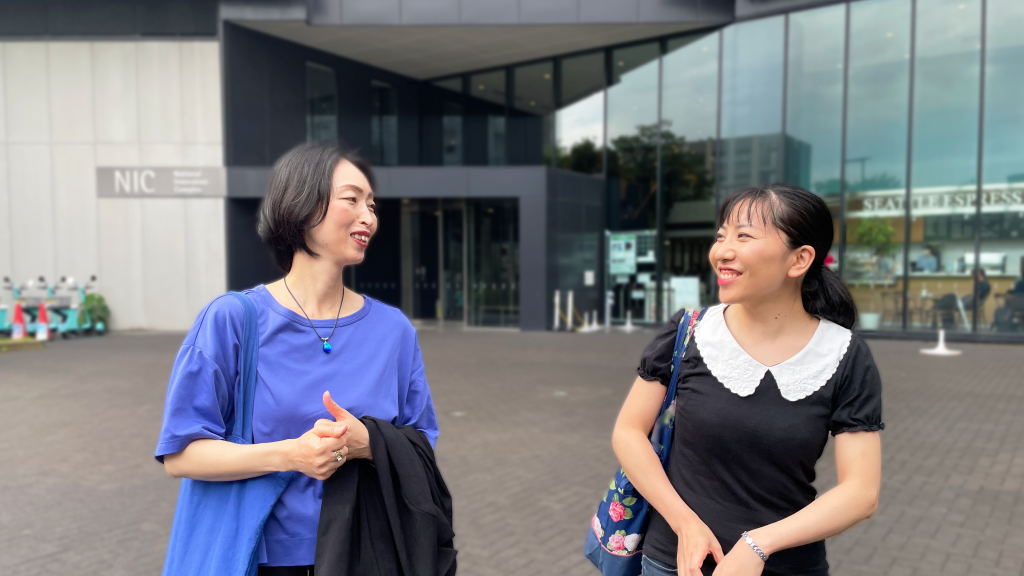
── “Global challenges” certainly sounds ambitious.
Hagio: If aquaculture and fishing can be made more efficient, it could contribute to global fisheries and help address food issues worldwide. The research is still at an early stage, but seeing these ideas take shape is incredibly exciting.
── With both basic and applied research now underway, has your relationship changed?
Kumasaka: We meet in person much more often—probably twice as often as before.
Hagio: Recently, we’ve run into each other on campus, talked through my worries, shared advice, laughed—and I’ve walked away feeling reenergized. There are things I can talk about with her because she’s a URA.
── What do you mean by “because she’s a URA”?
Hagio: These days, even early-career researchers have to secure their own funding. Positions are often unstable, and we’re constantly planning the next step. Teaching experience is also essential for our careers. Amid all this, having someone who understands both researchers’ perspectives and institutional systems—and who can deliver the right information—is invaluable.
── What guides your approach to supporting young researchers?
Kumasaka: My role isn’t to do the research for them, but to offer a space where they can speak openly. Through conversation, young researchers often reach their own realizations—“Ah, I see.” Finding their own direction or solution is what builds confidence and momentum. That’s the role I hope to play.
Through dialogue, researchers can discover their own possibilities and chart paths forward. This is one form of support that URAs quietly provide behind the scenes. In addition to individual mentoring, Kumasaka also coordinates PI development seminars and academic flash talks open to researchers across disciplines.