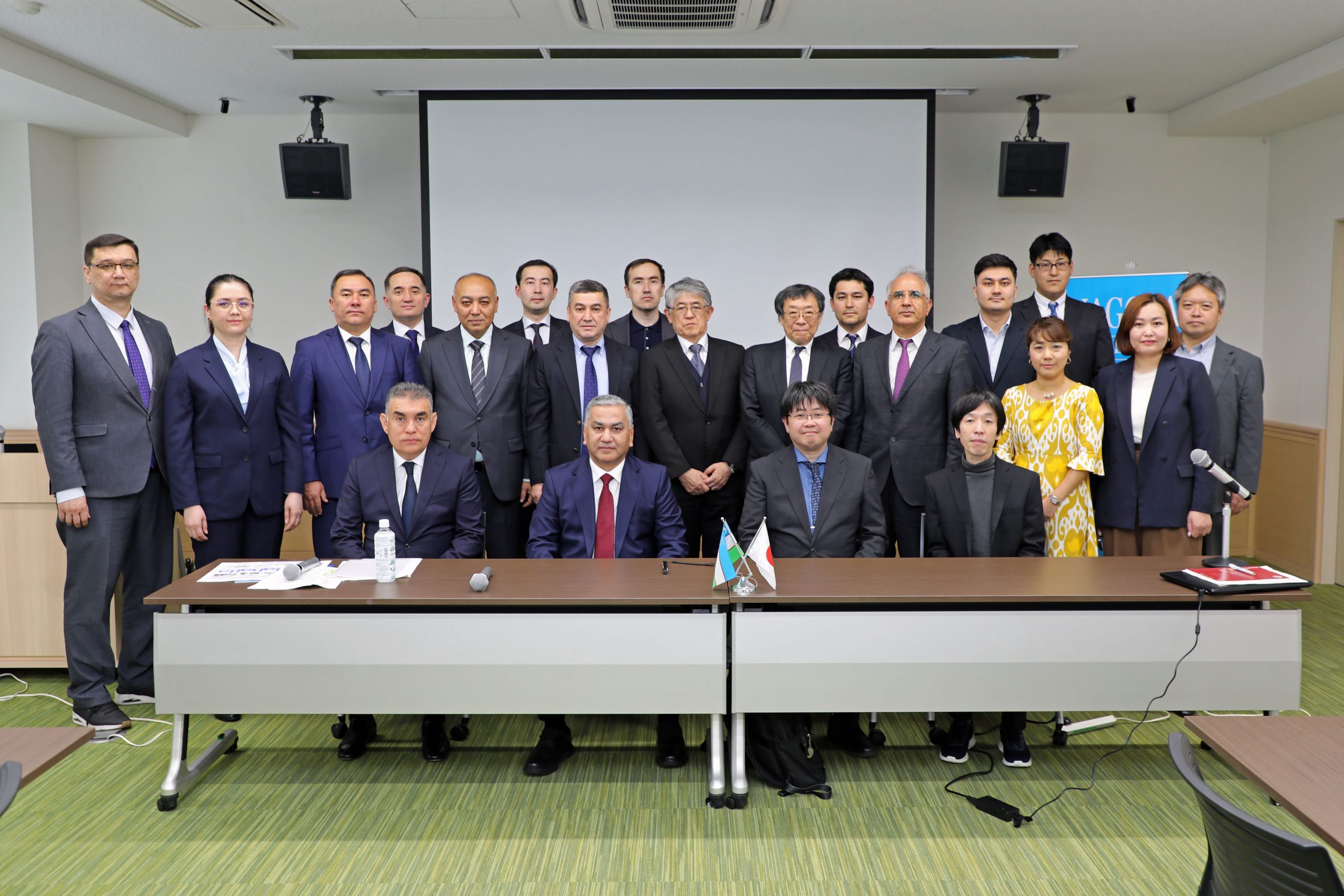
Why is there a Center for Japanese Law in Mongolia?
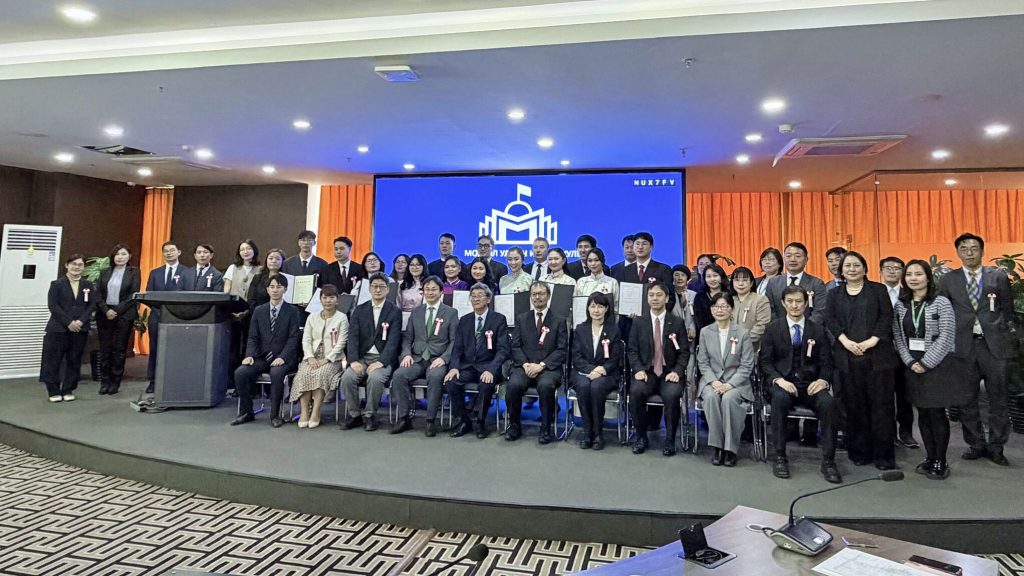
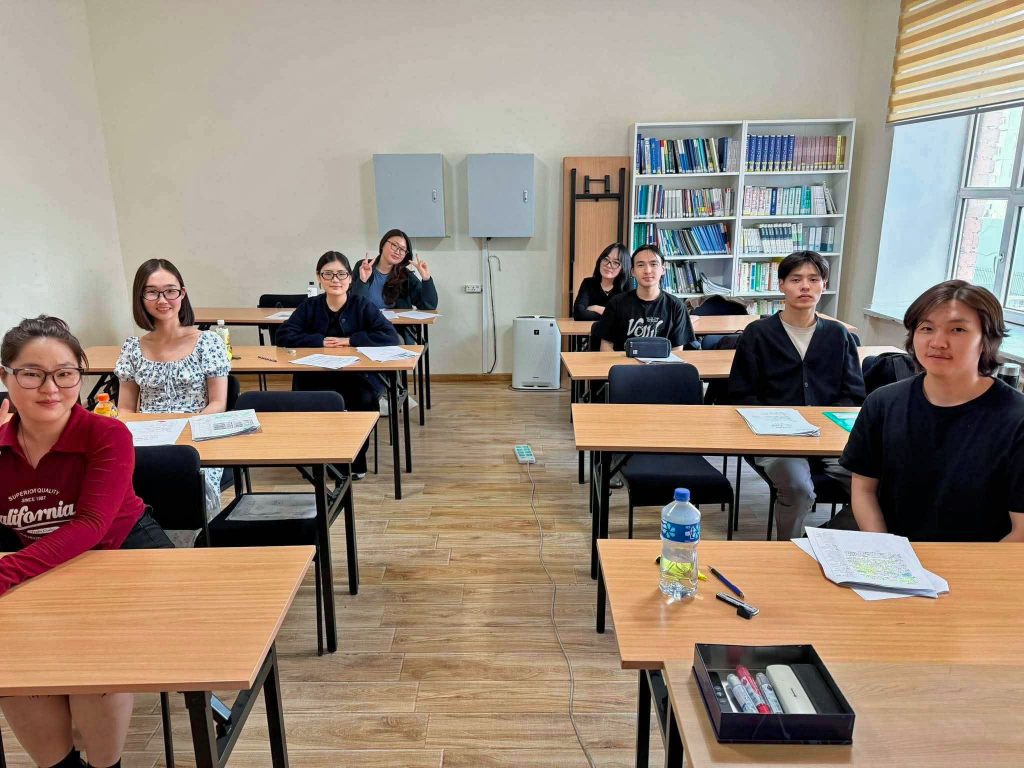
In a lecture hall at the National University of Mongolia, a group of students pores over legal textbooks written entirely in Japanese. The professor lectures in Japanese too. But these are not Japanese students; they are Mongolian nationals training to become the next generation of legal experts, judges, and scholars in their home country. This is daily life at the Research and Education Center for Japanese Law in Mongolia (CJLM), a program run in partnership with Nagoya University and hosted within the National University of Mongolia (NUM). For two decades, the Center has built one of the most distinctive bridges between Japan and Mongolia in the field of legal education.
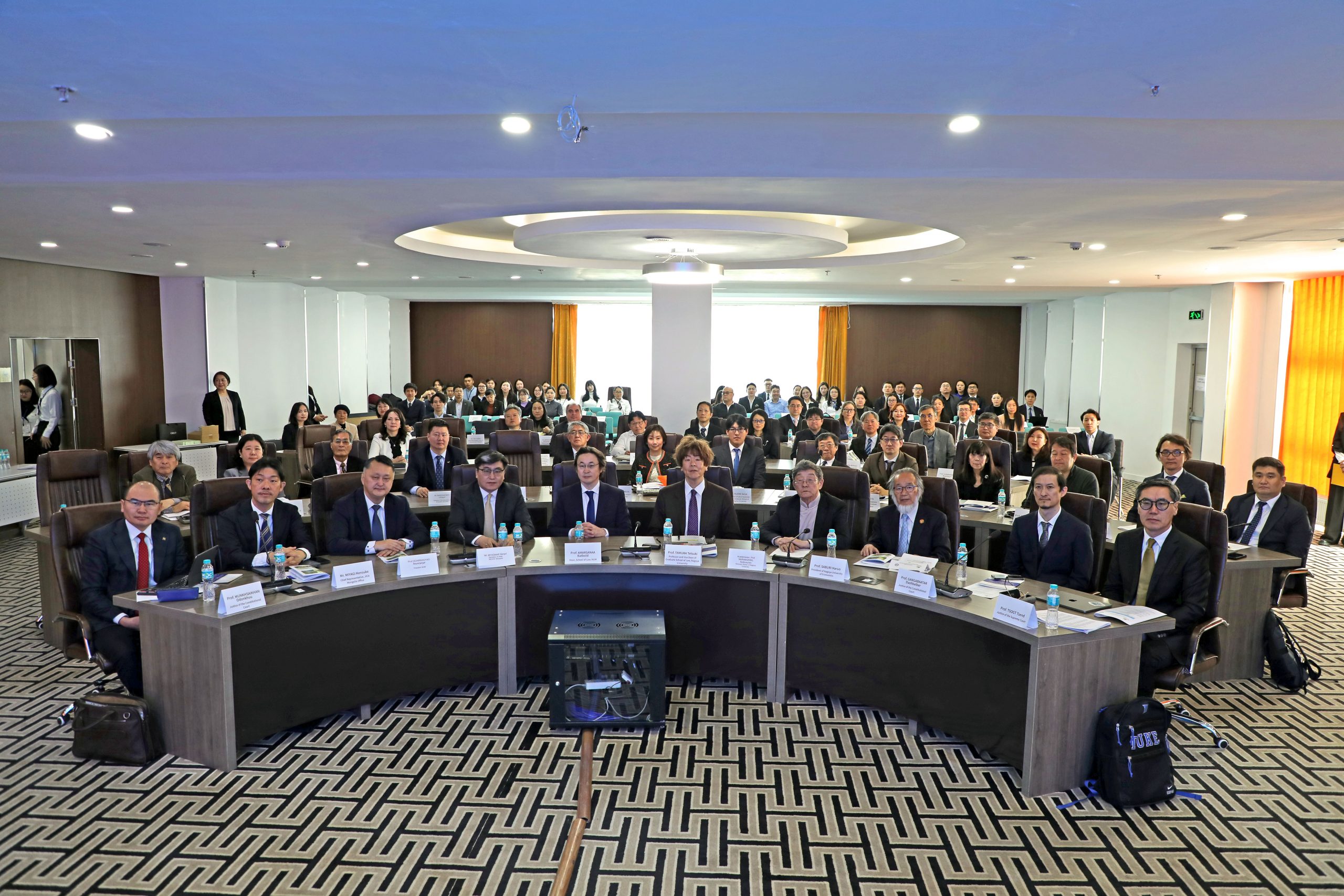
The list of Mongolians in the legal and judicial world with connections to Nagoya University is striking. Narangerel Sodovsuren, one of Mongolia’s most respected legal scholars, is an Academician of the Mongolian Academy of Sciences, a Laureate of the State Prize of Mongolia, and an Honorary Doctor of Nagoya University, having served for years as a frequent visiting scholar at Nagoya’s Center for Asian Legal Exchange (CALE). Amarsanaa Batbold, Dean of the School of Law at the National University of Mongolia, completed both his master’s and doctoral degrees at Nagoya University’s Graduate School of Law.
Three more Nagoya-trained doctoral graduates now serve as justices on Mongolia’s high courts: Bayarmaa Nyamdoo on the Supreme Court, and Gangabaatar Dashbalbar and Munkhsaikhan Odonkhuu on the Constitutional Court. And in June 2026, Tsogt Tsend, a graduate of Nagoya University’s Asia Satellite Campuses Institute (ASCI) doctoral program, was appointed Chief Justice of the Supreme Court of Mongolia.
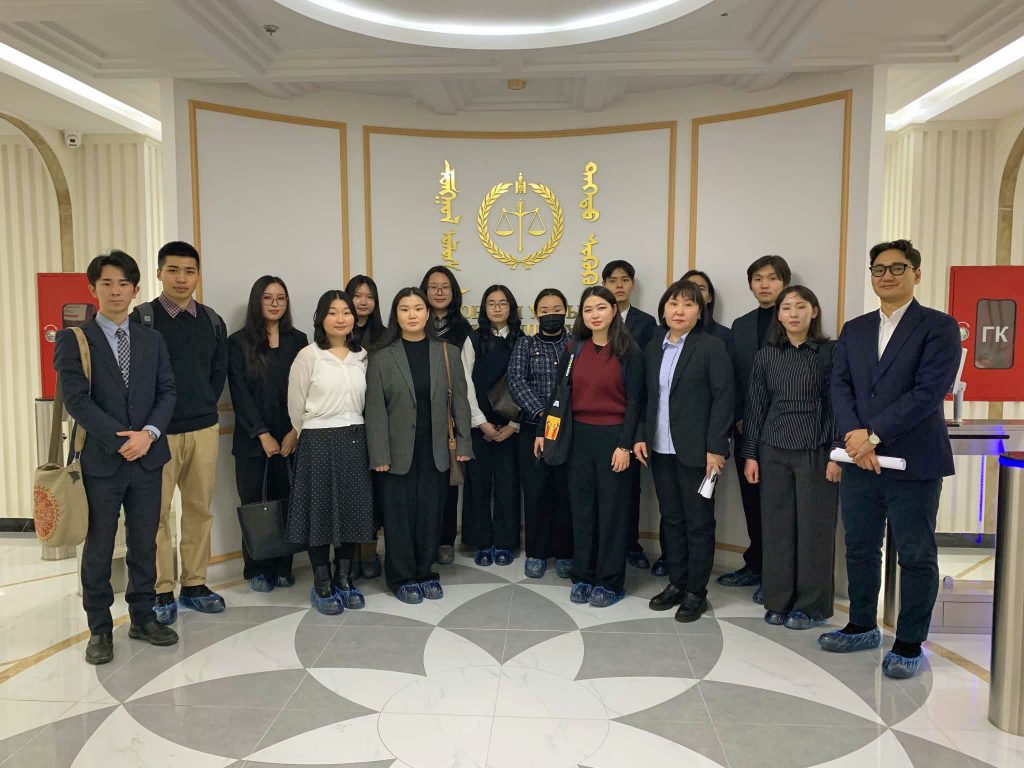
How did a university in Japan come to build such deep and lasting ties with the leadership of Mongolia’s judiciary? The answer lies in a decades-long, multi-pronged effort by Nagoya University to strengthen legal education and exchange with Mongolia. This effort has taken many forms, from hosting visiting scholars to training doctoral students to, eventually, establishing a dedicated center on the ground in Ulaanbaatar.
The CJLM is one important extension of this broader tradition of cooperation. In the early 2000s, scholars like Narangerel engaged with Nagoya University through visiting fellowships, and others pursued full degrees at Nagoya’s Graduate School of Law. But since 2006, the CJLM has taken a different approach. It continues to train the next generation of Mongolian legal professionals locally, in Japanese, from the very start of their studies. As of early 2026, the CJLM had 44 enrolled students and 123 graduates.
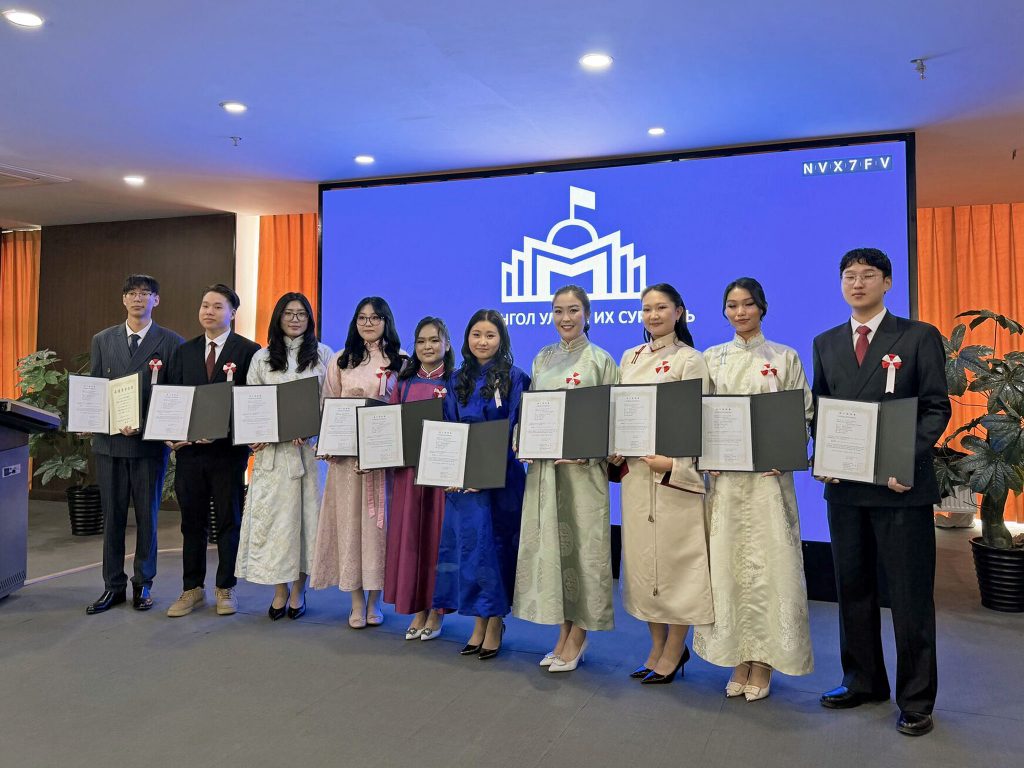
Among the graduates are Mongolians who have gone on to work in law firms, government agencies, and university faculties. Several have entered graduate school programs in Japan, including 48 who have studied at Nagoya University. In recognition of its contribution to the rule of law and Japan-Mongolia relations, the CJLM received the Foreign Minister’s Commendation from the Government of Japan in 2024. This model has taken root across several other countries, with Nagoya University establishing Centers for Japanese Law in Uzbekistan, Cambodia, and Vietnam.
The history of the CJLM is rooted in Nagoya University’s long-term engagement with legal education and research across Asia. In 1991, the Graduate School of Law established a fund for law and politics research and education in the Asia-Pacific. Over the next few years, this led to building a network of academic partnerships with universities and research institutions across the region. By 1998, this had developed into a formal program training both future legal scholars and working professionals in selected Asian countries that were building legal systems more suited to a market economy. Established in 2006 under a formal agreement between Nagoya University and NUM, the CJLM sits within the Faculty of Law in Ulaanbaatar.
All CJL deliberately teach legal studies in Japanese rather than in English or local languages because of the importance in conveying society-specific ideas. When Nagoya University Graduate School of Law faculty members first began visiting Asian countries, they communicated with their counterparts in English. However, they soon found that the nuances of many Japanese legal terms and concepts did not come across well. Other challenges included the limited availability of English-language literature on Japanese law, the considerable time it takes for translations of revised laws to appear, and the fact that studying any legal system requires understanding the social and cultural context in which that law operates.
To address these problems, Nagoya University faculty proposed training young local people to study law in Japanese, reasoning this would be an effective way to develop future leaders of local legal reform. The first CJL was established in Uzbekistan in 2005, followed shortly after by one in Mongolia. From the beginning, Nagoya University has dispatched Japanese language instructors and legal specialists to teach at each CJL.
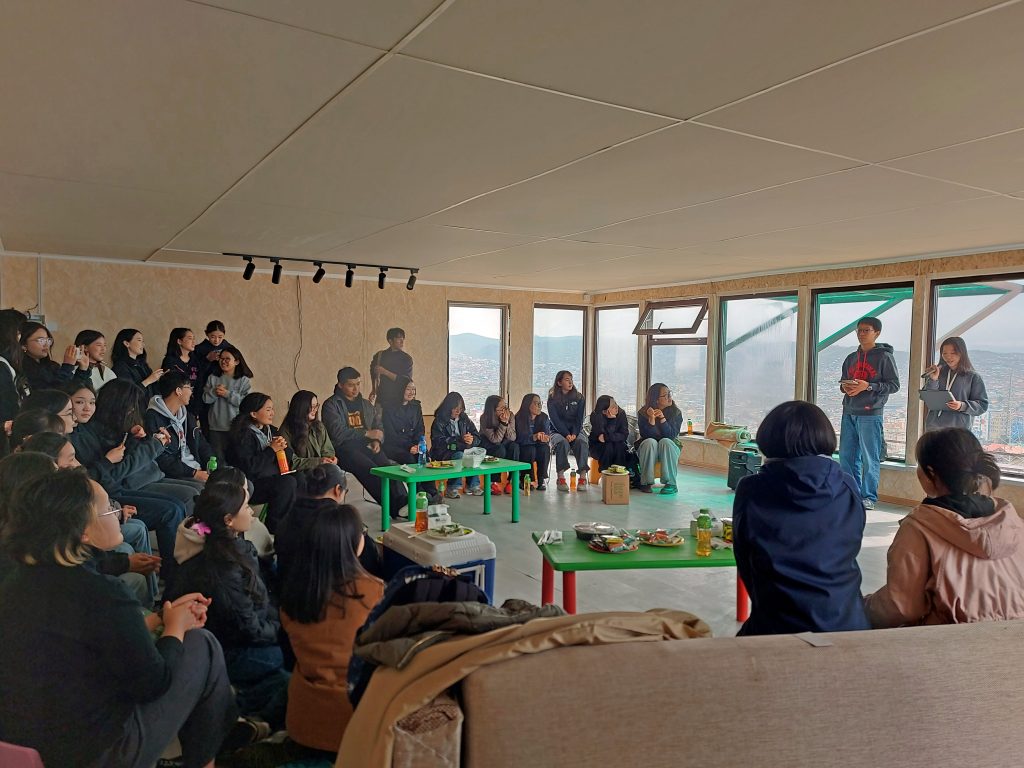
The key ingredient — the instructors
The instructors who teach the students come from a variety of educational and career backgrounds. Some are Japanese language instructors; others are legal specialists. Yukiko Yao, a Japanese language instructor, joined the CJLM about eight years ago after an unexpected encounter at a Japanese speech contest, where she was serving as a judge. During the event, she noticed two students whose language skills were in a completely different league from all the other competitors. She later learned they were from the CJLM. “I thought to myself, what kind of education produces students like this?” she recalls.
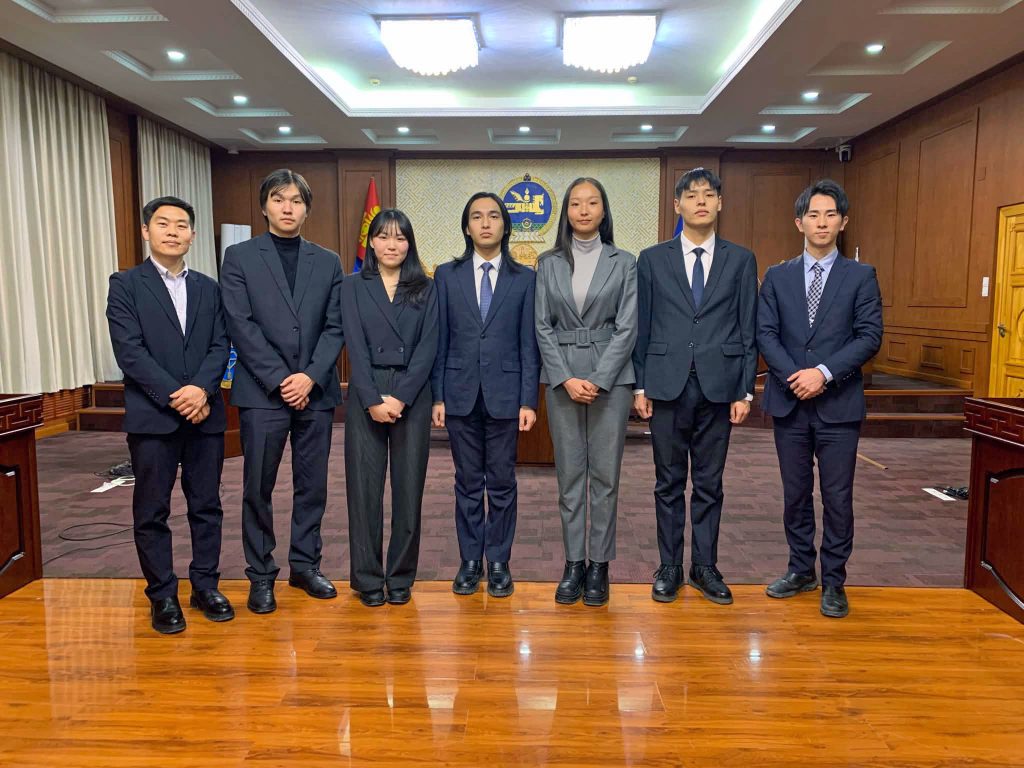
Aya Kon, a part-time instructor in Japanese language and culture, retired from newspaper work in Japan approximately twenty years ago and made Mongolia her new home. Since then, she has worked as a reporter for the Japanese-language edition of Montsame, Mongolia’s national news agency, while publishing her own Japanese-language information magazine about Mongolia. She has taught at the CJLM for those same twenty years, and has led students in translating Japanese picture books into Mongolian and reading them to children in Ulaanbaatar’s ger districts (neighborhoods of traditional circular tents). This volunteer tradition now spans two decades. Kon also takes CJLM students to sites connected to the history of some 14,000 Japanese prisoners who were subjected to forced labor in Mongolia after World War II. In 2025, her expertise in this history led her to accompany the Emperor and Empress of Japan to several of these sites.
Ryusei Koitabashi, the CJLM lecturer in Japanese law, arrived in 2025, having just passed the bar exam. Rather than entering private practice, he was drawn to legislative assistance work. For Koitabashi, the true value of the CJL comes from building students’ capacity to grasp differences, weigh strengths and weaknesses, and apply those insights to improving their own country’s laws. As a result of the CJLM’s efforts, a growing number of people are emerging who can serve as a bridge between Mongolia and Japan across several domains.
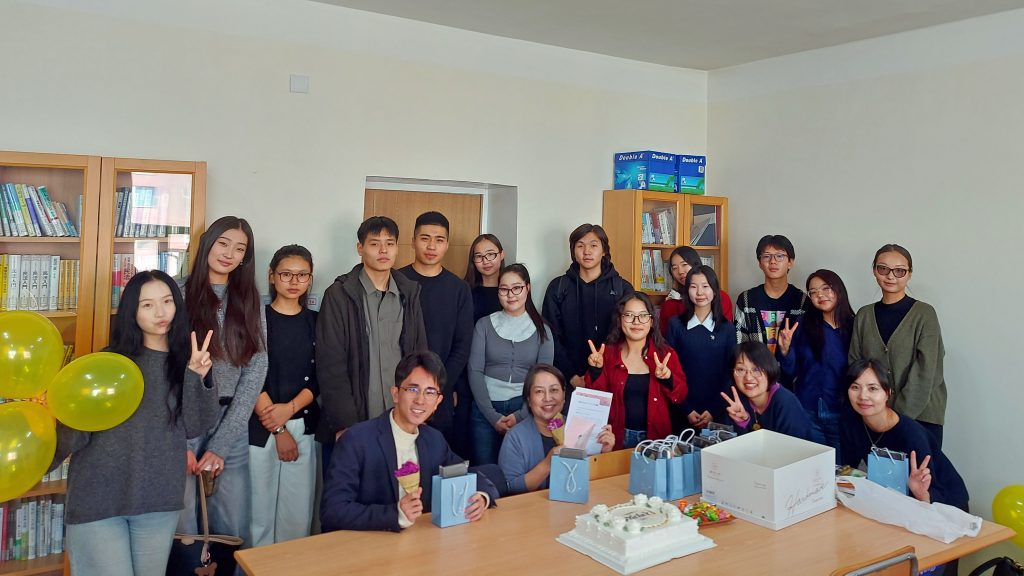
Why Mongolian students are motivated to study Japanese law
Why would Mongolian students want to learn Japanese law and the Japanese language? Bat-Ariunaa Ariunbayar, a fifth-year student, traces her path back to a middle school debate club, where she first imagined becoming a lawyer. She also had a high school obsession with Japanese dramas. “In high school,” she recalled, “I watched Japanese dramas on TV and Japan became my dream country — I wanted to learn Japanese. The drama was “Mischievous Kiss: Love in Tokyo.” Through that drama I wanted to learn Japanese and become a lawyer.”
Minjbulgan Chinbat, another CJLM student, said that most students enter the program with motivations such as an interest in Japanese culture, wanting to learn Japanese, or simply enjoying anime. But more recently, Minjbulgan has found that many enter with more academic interests. “They want to study in Japan,” she explained, “and conduct comparative research on Japanese law.” Both Bat-Ariunaa and Minjbulgan are planning to enter Nagoya University’s Graduate School of Law in October 2026 for a master’s degree program. This career path is a core part of the Center’s mission, nurturing bilingual future legal scholars who can work comfortably in both Japan and Mongolia.
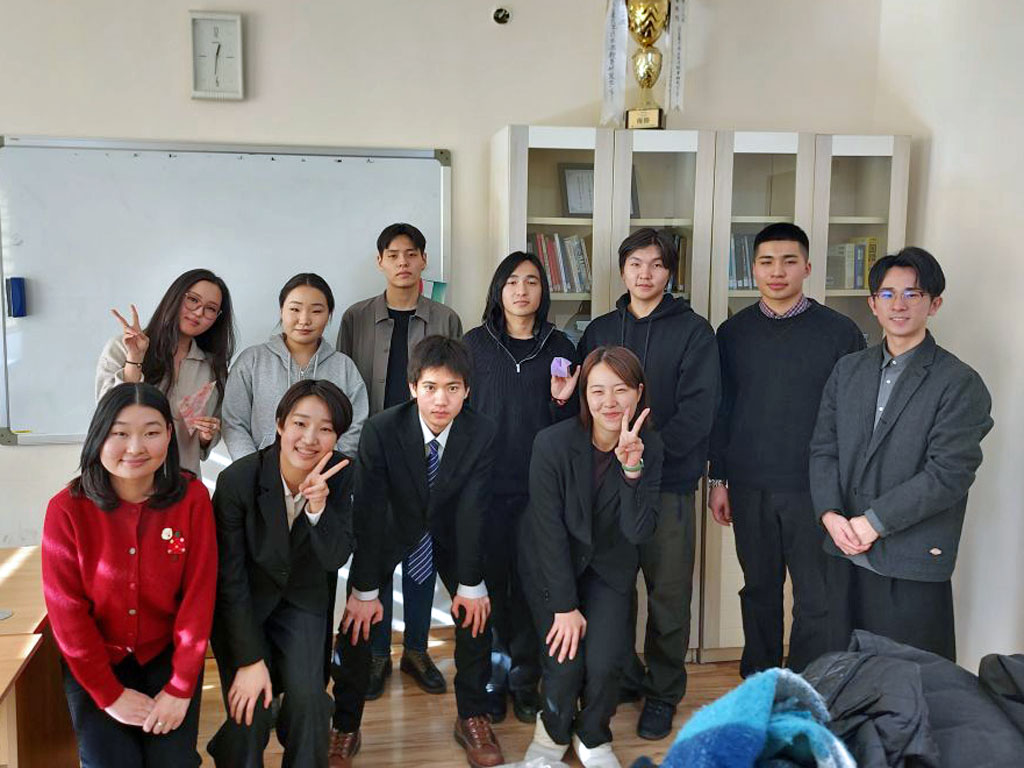
Not everyone finishes
The five-year program in the CJLM is not for the faint of heart. While most first-year classes start with about 20 students, the demanding nature of the curriculum soon whittles each cohort down to about 8 to 12 students. In 2026, the fourth-year cohort numbers just 4 students. From the first year, students begin with 12 hours of Japanese language instruction per week. Although most students start with no prior background in Japanese, they complete the full “Minna no Nihongo” series of textbooks and learn around 500 kanji.
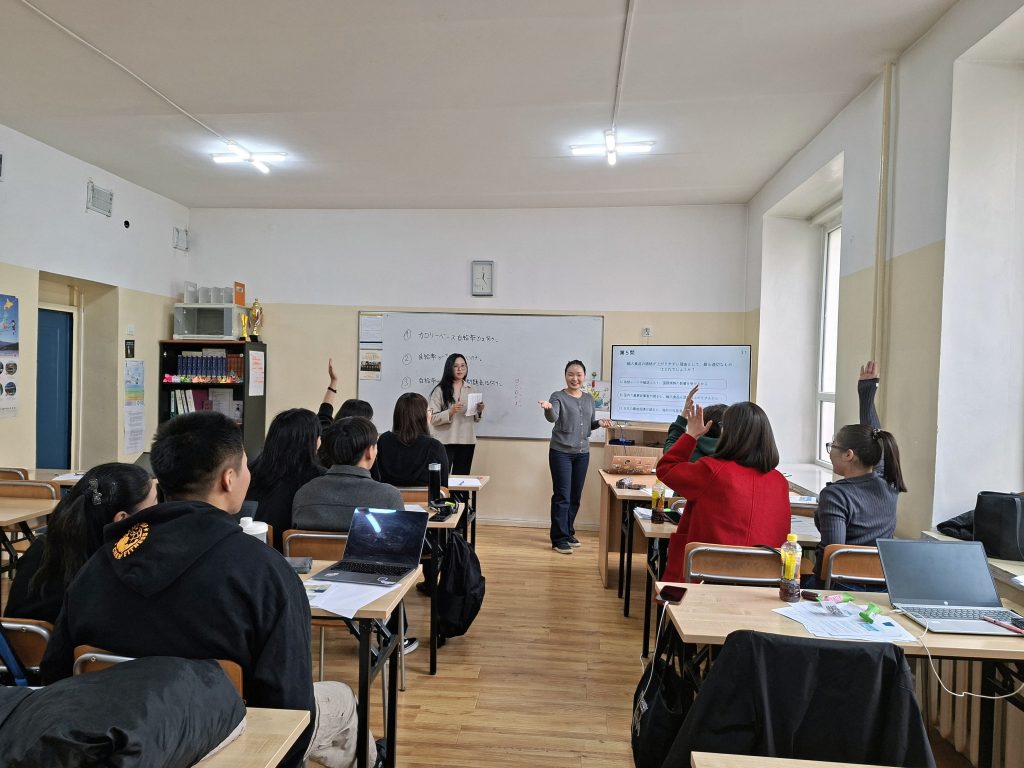
After studying Japanese history and civics in their second year, students in their third year start studying law taught entirely in Japanese, including introductory Japanese law, constitutional law, and administrative law. Regular classes are supplemented by lectures from visiting scholars and practitioners from Japan and short-term seminars held in Nagoya between January and March. Alongside reading comprehension and kanji study, third-year students must also write an academic paper of 5,000-10,000 characters in Japanese on a legal issue in Mongolia.
Students are especially challenged in their fourth and fifth years. In their fourth year, students increase their legal studies to four or five sessions per week. Japanese language classes, meanwhile, are reduced to two sessions. Students also write a research plan in preparation for graduate study. In their fifth year, studies of law occupy four sessions a week while Japanese language is reduced to just one. Cohorts that start around 20 students typically see fewer than half finish, and those who persevere emerge with a rare combination of legal and linguistic fluency few professionals anywhere possess.
Contributing to Japanese-Mongolian relations
Beyond teaching, the Center also serves as a regional hub for Japanese law in Mongolia. It collects information on local legal and political developments, disseminates information about Japanese law to local audiences, and coordinates joint research projects. Kon, the Japanese language instructor, believes that the relationship between Japan and Mongolia is closer than ever before. “I’ve been living here since 2001,” she noted, “and the change has been extraordinary.” She emphasizes the importance of contact between people in the two countries. “The value of people-to-people exchange is immeasurable,” she continued, “turning the relationship into something that is genuinely warm.”