Asia Academic Forum in Mongolia brings together seven countries for cross-border research and education
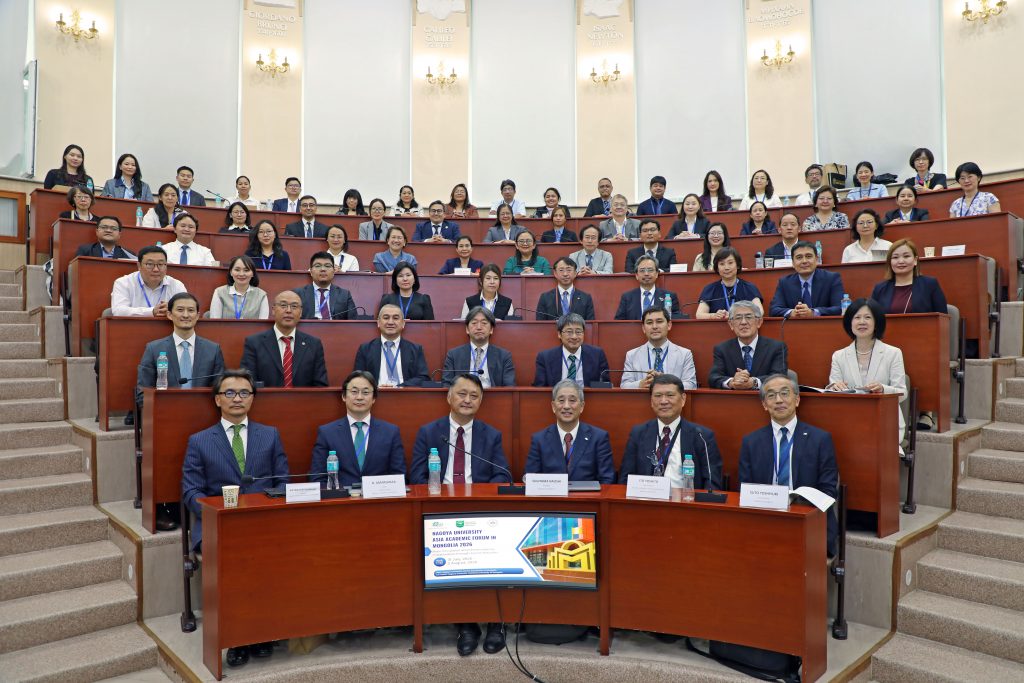
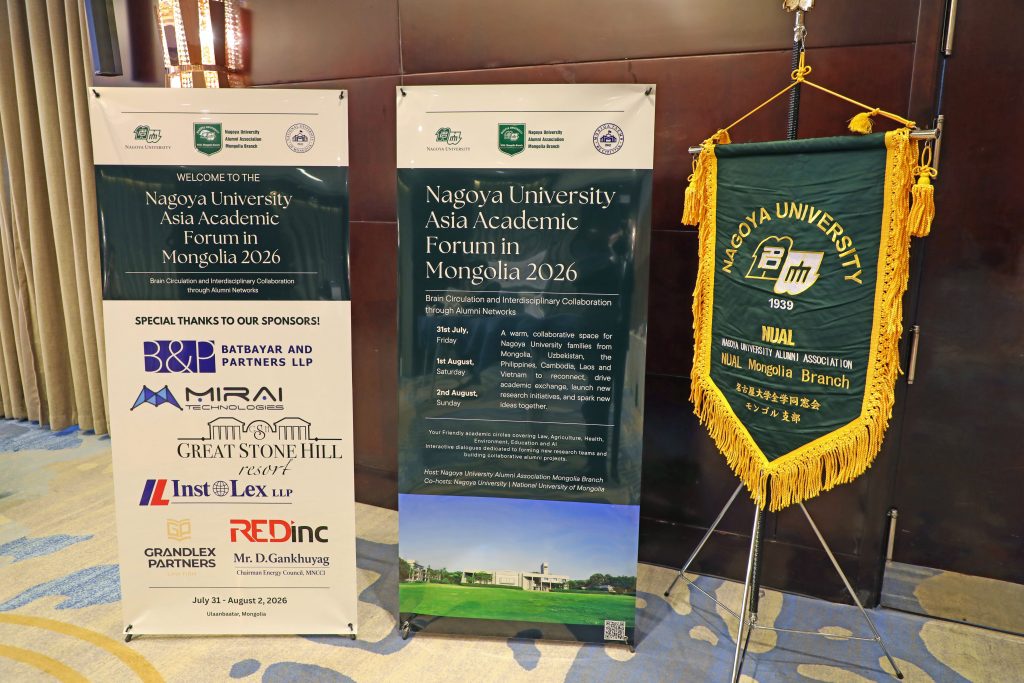
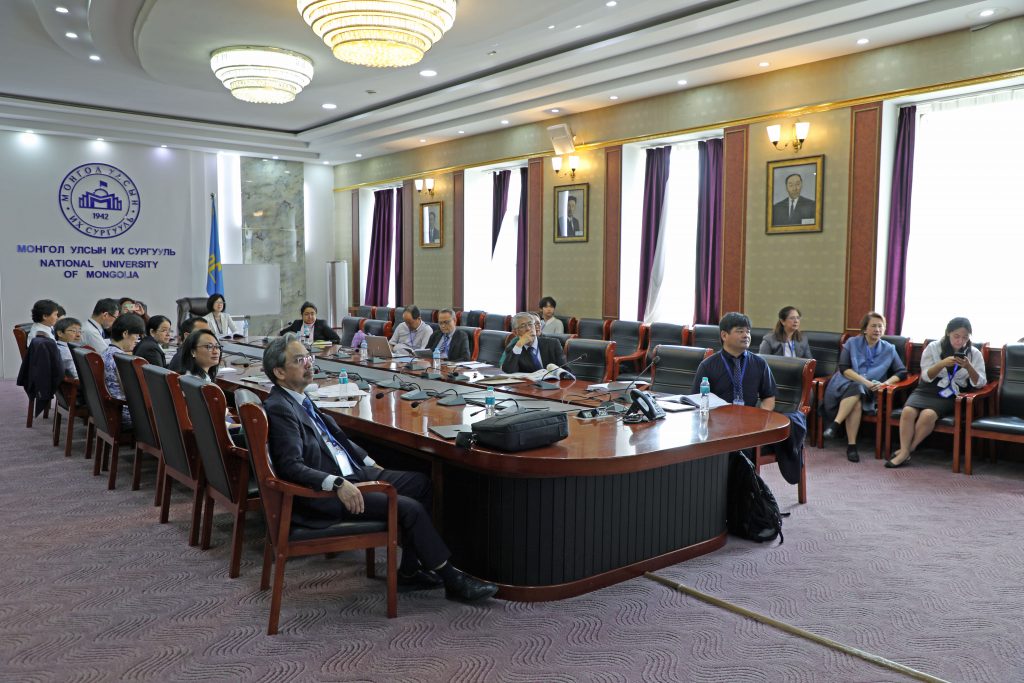
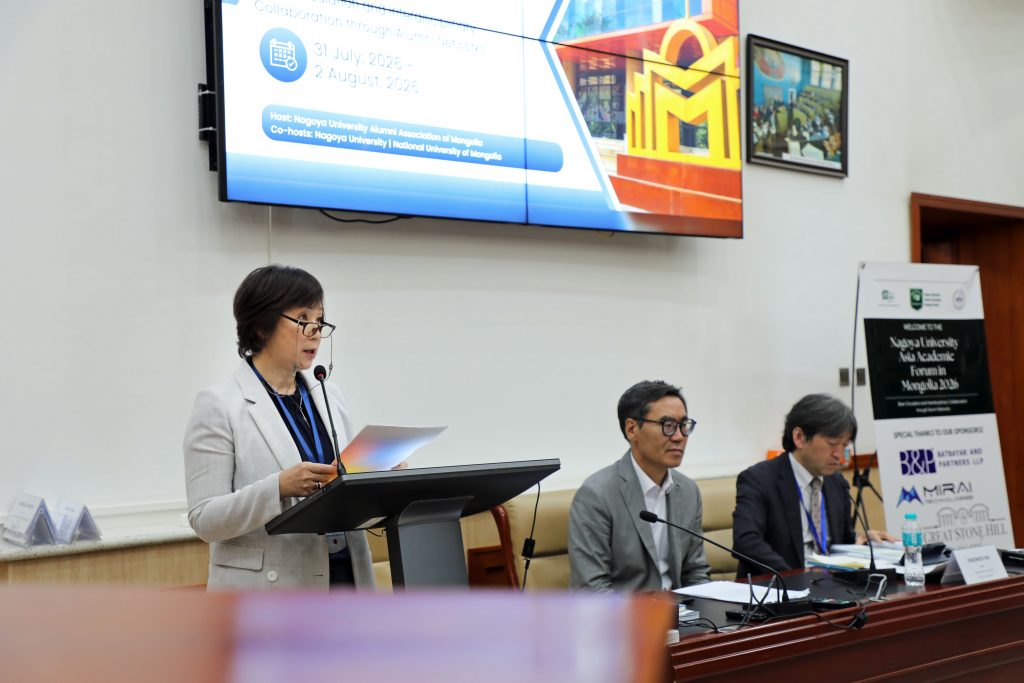
The Nagoya University Asia Academic Forum 2026 was held from July 31 to August 2 in Ulaanbaatar, Mongolia, focusing on the theme “Brain Circulation and Interdisciplinary Collaboration through Alumni Networks.”
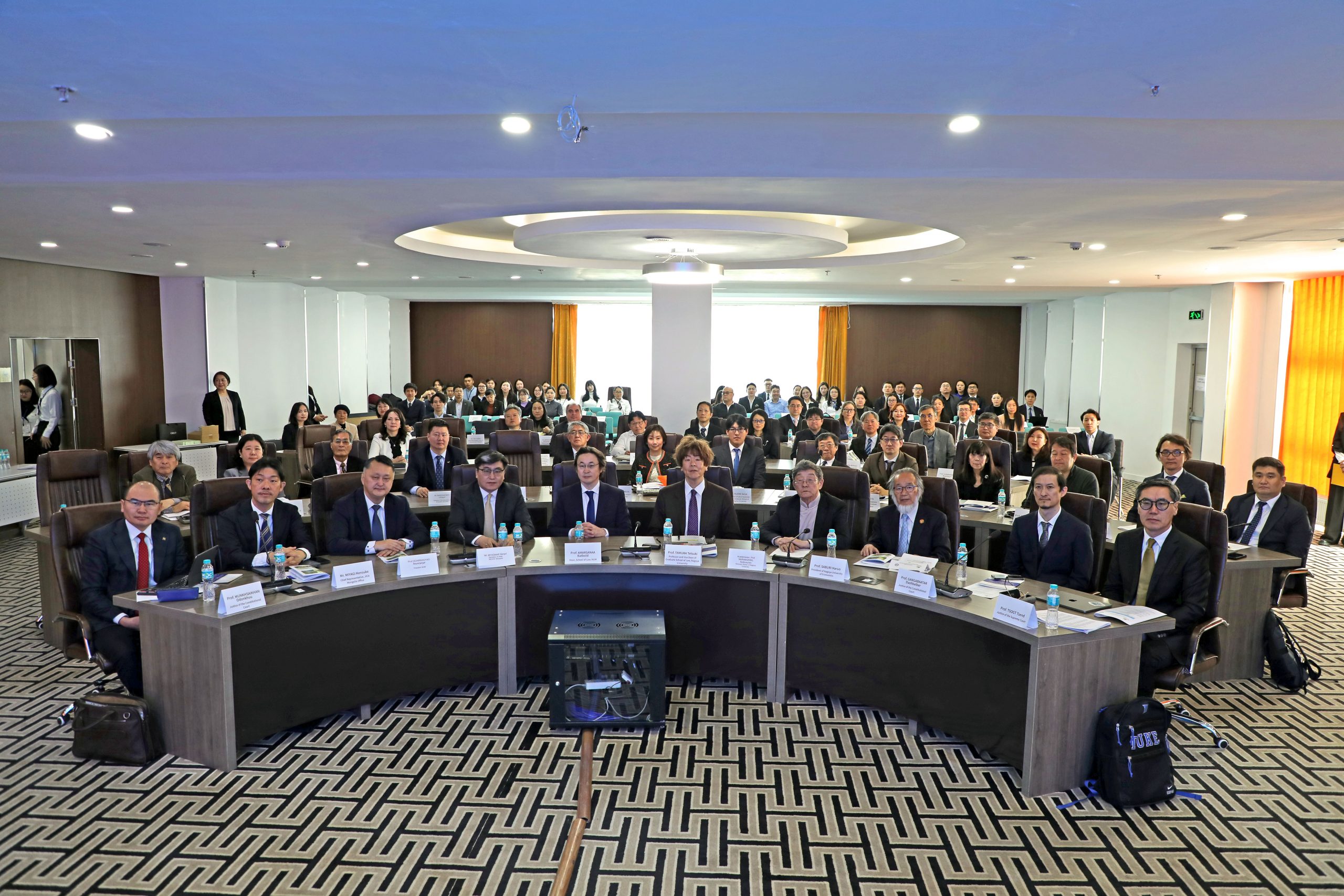
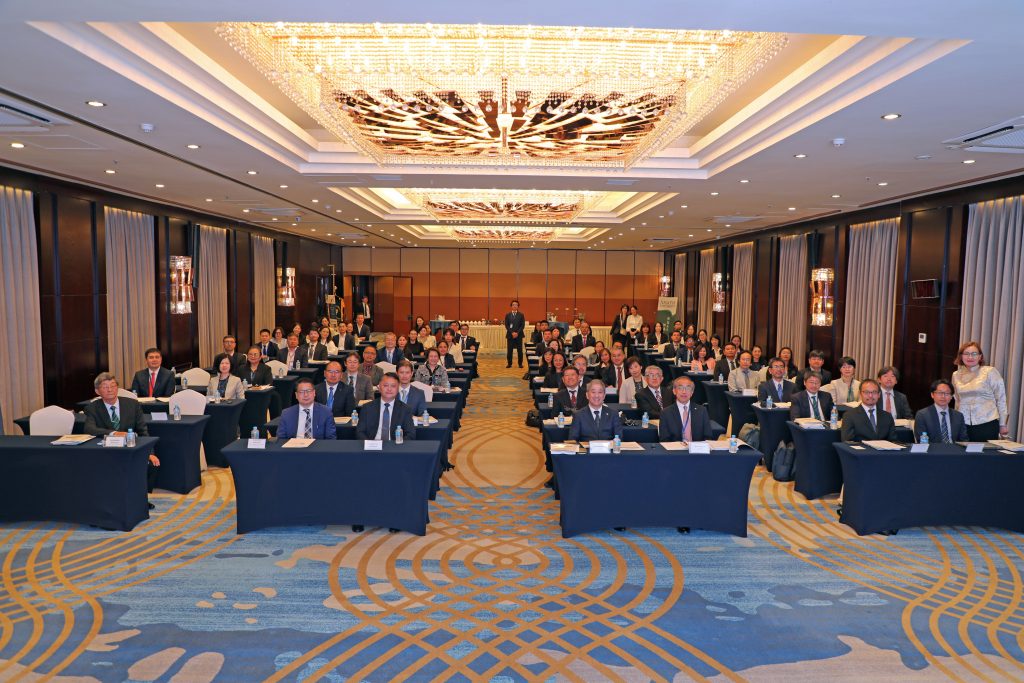
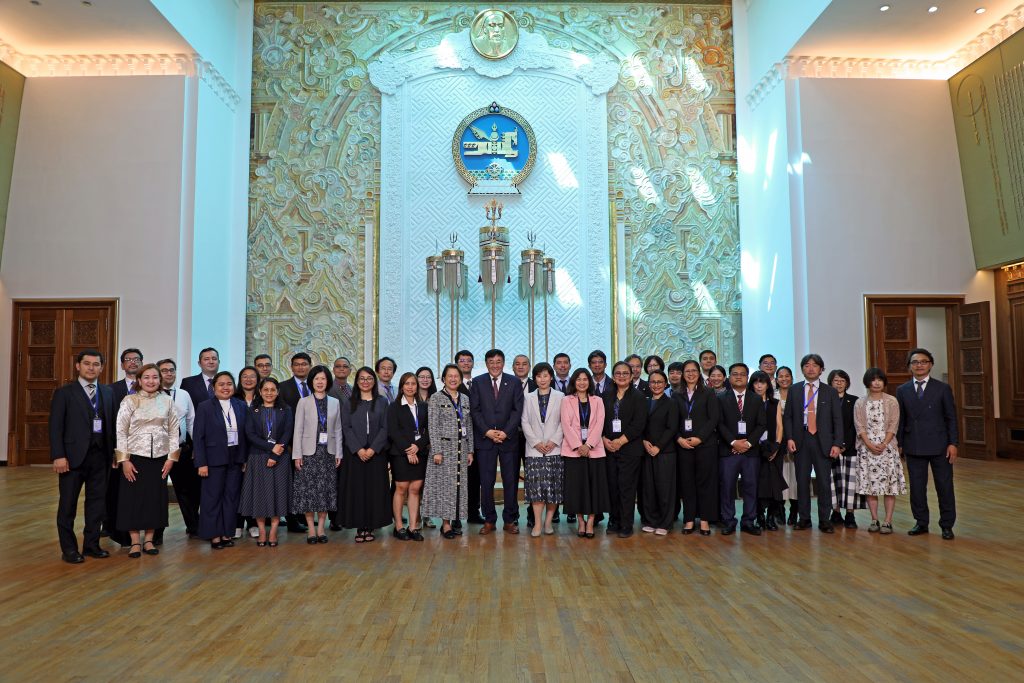
The forum was organized by the Nagoya University Alumni Association Mongolia Branch and co-hosted by Nagoya University and the National University of Mongolia. It brought together approximately 110 alumni, researchers, university leaders, government officials, and students from Mongolia, Uzbekistan, the Philippines, Cambodia, Vietnam, Laos, and Japan to explore new models of academic collaboration through alumni networks.
A forum built on long-standing partnerships
The forum’s success was made possible through the leadership of Batbayar Ganbayar (Graduate School of Law, LL.M.), president of the Nagoya University Alumni Association Mongolia Branch, together with the efforts of numerous colleagues in Mongolia.
The event also reflected the long-standing commitment of alumni and supporters in Mongolia who have devoted themselves over many years to strengthening academic cooperation between Nagoya University and Mongolia. One example is Professor Gangabaatar Dashbalbar (Graduate School of Law, LL.D.), who currently serves as a justice on the Constitutional Court of Mongolia and previously served as the first director of the Nagoya University Mongolia Satellite Campus. Their vision and dedication laid the foundation upon which this forum was built.
A distinctive feature of the forum was the close collaboration between the alumni association branches and Nagoya University’s overseas office/centers in Mongolia, Uzbekistan, the Philippines, Cambodia, and Vietnam. Working together across national borders, the alumni communities demonstrated how graduates can serve as an important driving force for international academic exchange.
A new model of international academic collaboration
Unlike conventional academic conferences that mainly focus on presenting research findings, the Asia Academic Forum was designed to create opportunities for collaborative research, education, and innovation by connecting alumni, universities, and partner institutions throughout Asia.
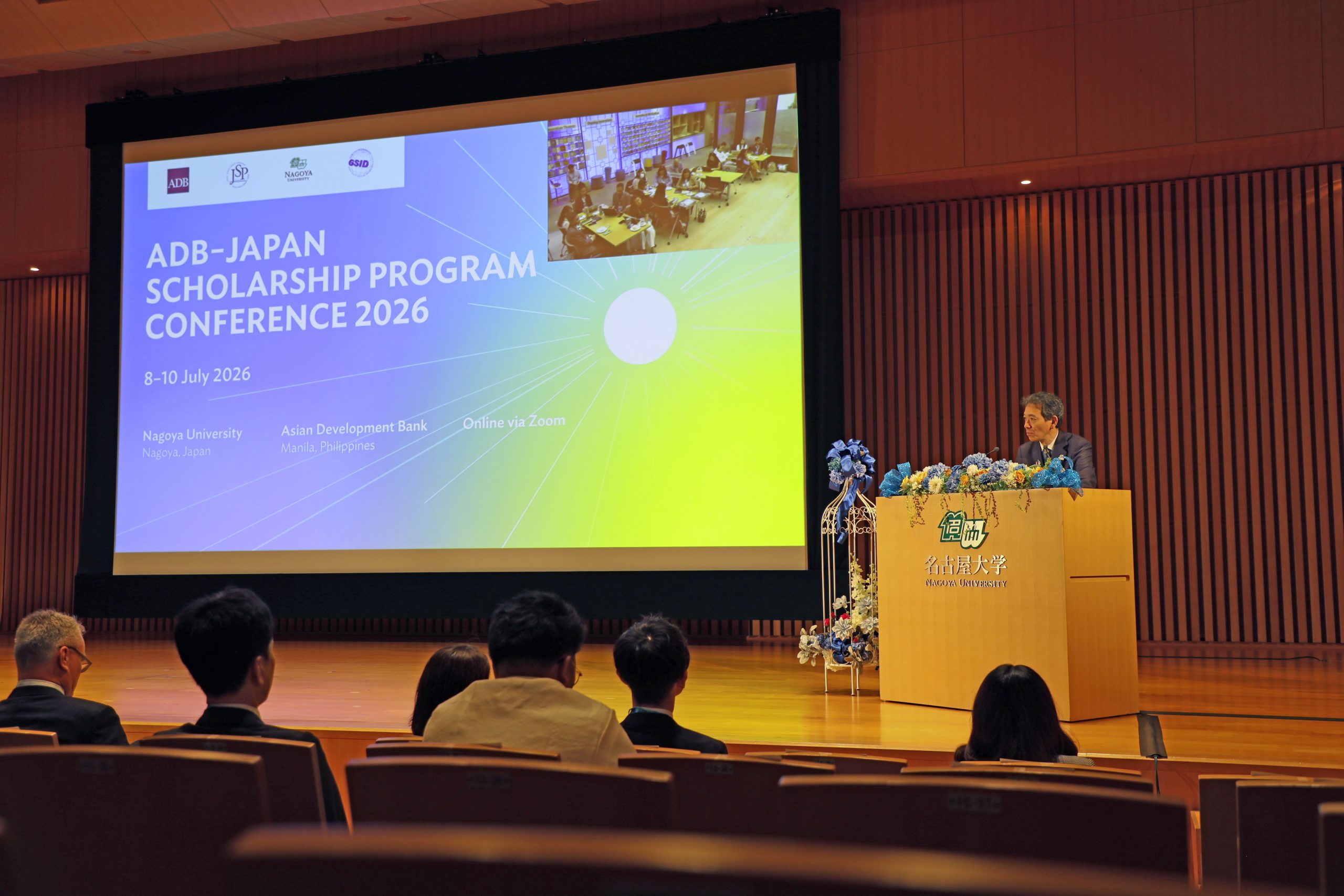
In his welcoming remarks during the opening ceremony, Nagoya University President Naoshi Sugiyama emphasized that the forum was not simply a gathering of alumni, but a robust academic platform for creating new frameworks for cross-border research and education. He also highlighted Nagoya University’s pride in the contributions made by its alumni throughout Asia and expressed his hope that the forum would foster new partnerships.
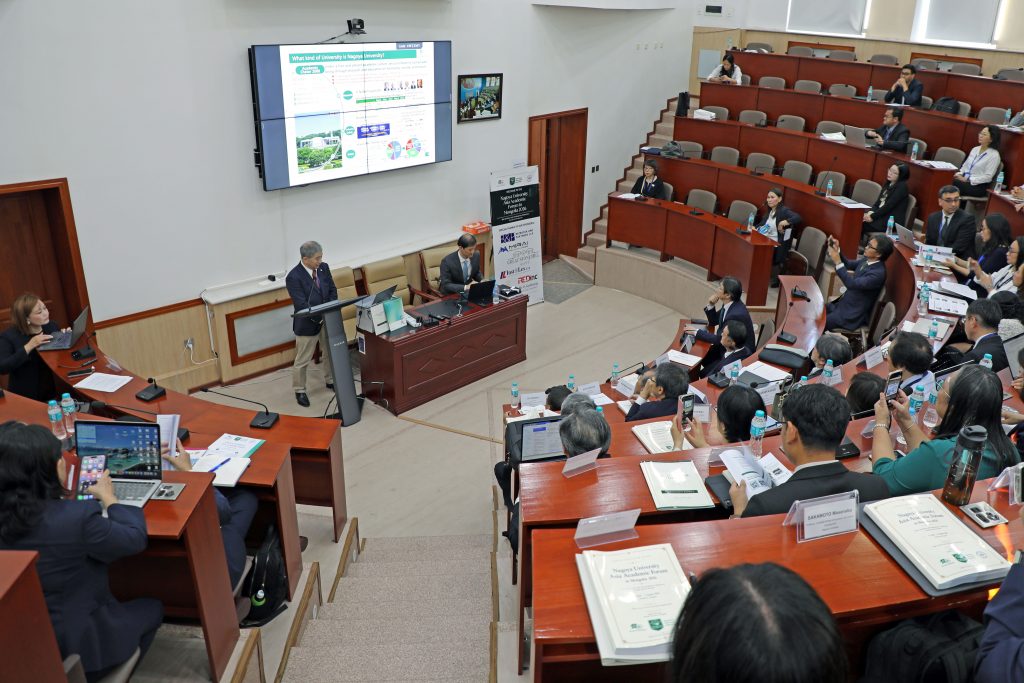
President Sugiyama’s keynote address, “Challenges of Nagoya University 2026,” presented Nagoya University’s vision of a new university model, where alumni leadership is an essential pillar for future growth and development.
National University of Mongolia President Ochirhuyag Bayanjargal (Graduate School of Engineering, D.Eng.), also delivered a keynote speech titled “The National University of Mongolia’s Vision for Advancing Brain Circulation and Academic Cooperation in Asia.” He emphasized the importance of brain circulation, interdisciplinary collaboration, and alumni networks in strengthening academic cooperation across Asia.
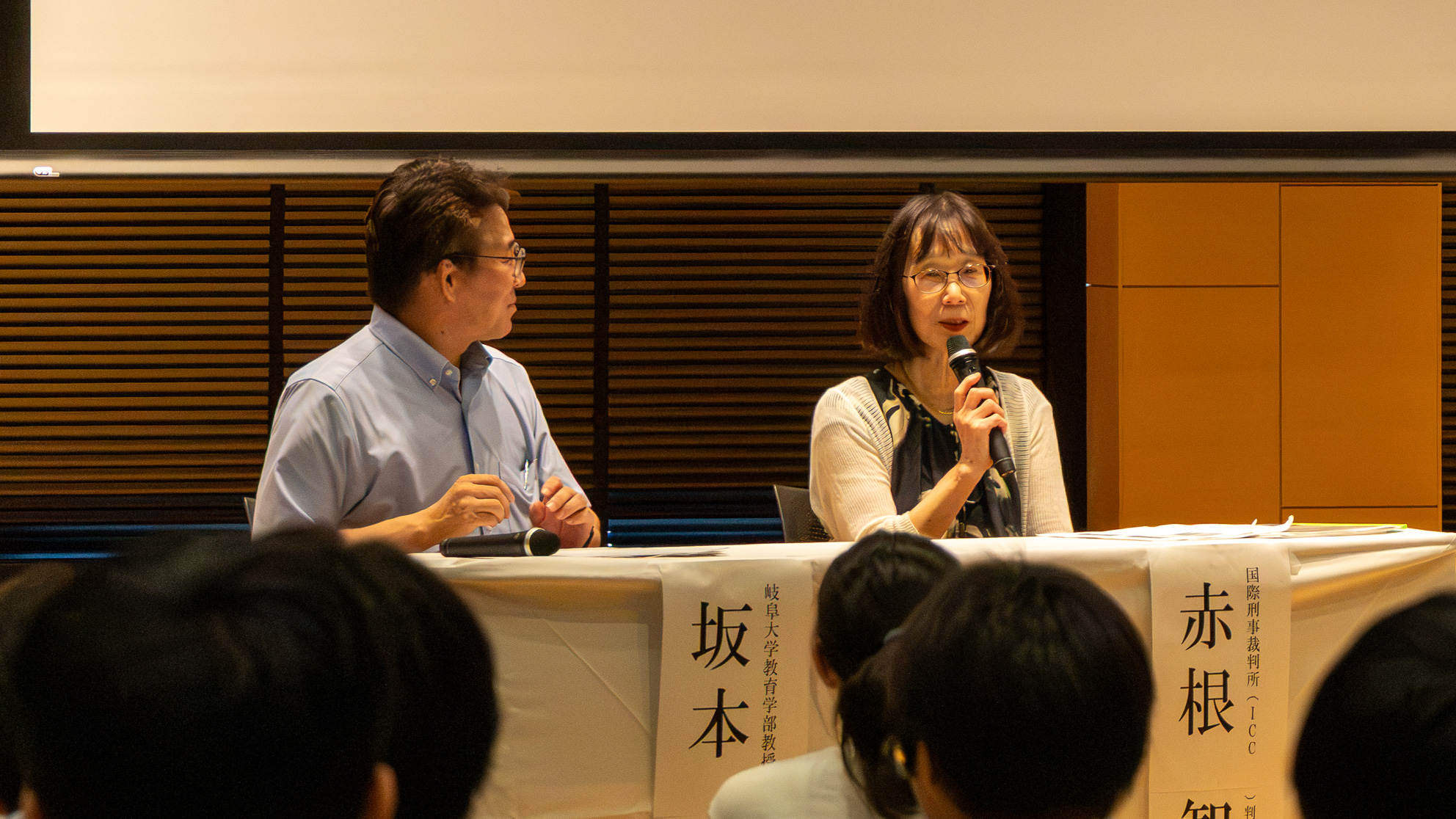
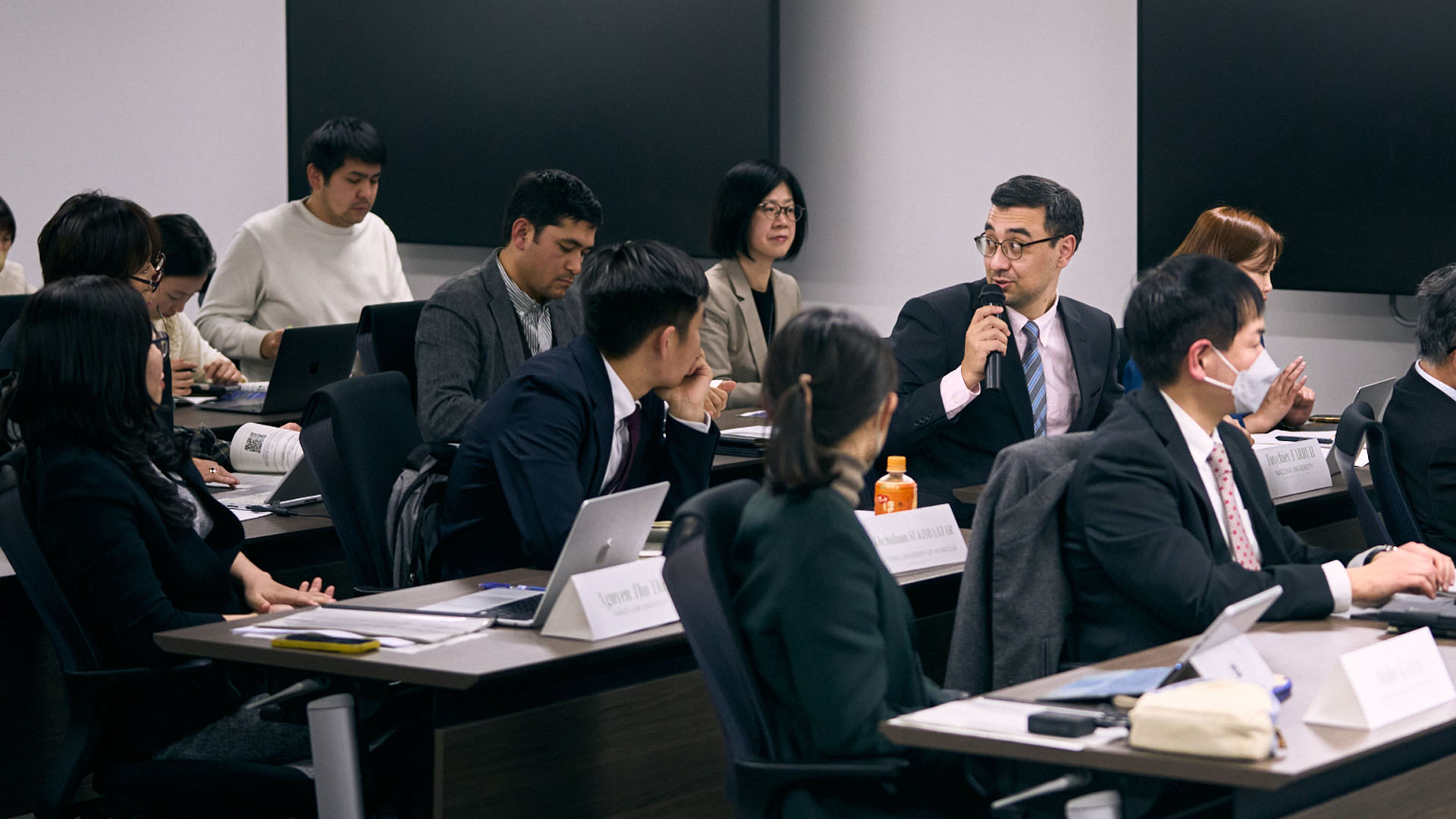
Following the keynote addresses, five specialized workshops were held in the fields of law, agriculture, medicine, environmental studies and engineering, and education. Faculty members from Nagoya University, together with alumni and researchers from across Asia, shared their research findings and discussed pressing regional challenges: legal governance of environmental issues; sustainable food systems; healthcare system reform; environmental sustainability and resilience; and the use of AI in education. The workshops also provided an opportunity to exchange ideas and identify concrete directions for future collaborative research and educational partnerships.
All of the presentation abstracts are available through Nagoya University’s open-access archive, NAGOYA Repository.
Looking toward the future
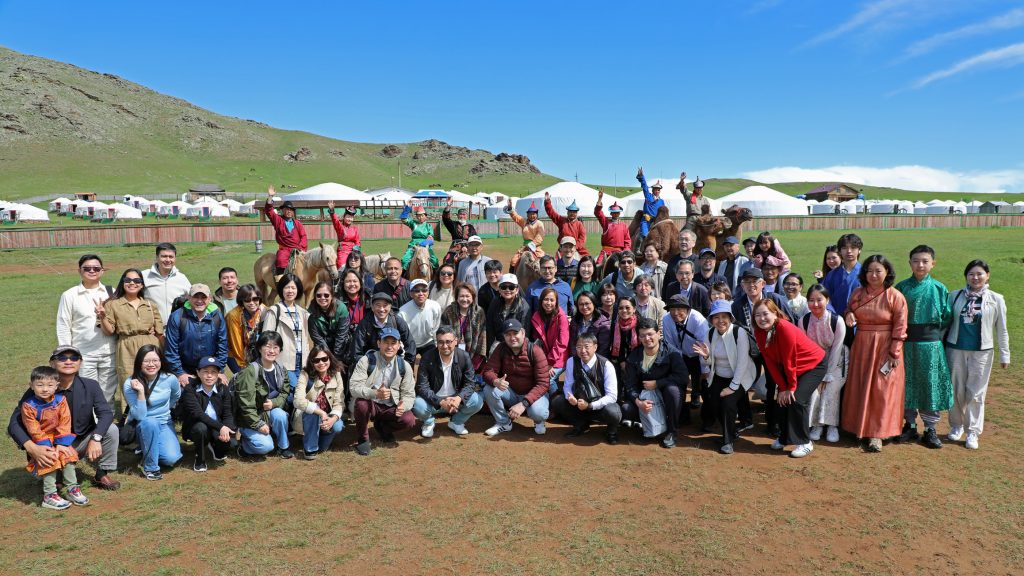
On the final day, participants traveled to a camp outside Ulaanbaatar to experience traditional nomadic culture. The visit included demonstrations of wrestling, archery, and horse racing, the three disciplines at the heart of the Naadam Festival, Mongolia’s summer celebration. The excursion gave participants a chance to engage with Mongolian heritage beyond the conference room, capping the forum with a shared commitment to further strengthening cooperation among Nagoya University’s alumni association branches, overseas office/centers, partner universities, and research institutions throughout Asia.
Participants agreed that the relationships established during the forum should lead to concrete joint research projects, educational initiatives, and interdisciplinary partnerships that contribute to addressing the complex challenges facing the region.
Organizers said the forum marks an early step toward deeper academic collaboration between Nagoya University and its alumni and partner institutions across Asia. Going forward, Nagoya University plans to continue working with alumni association branches, overseas office/centers, and partner institutions throughout the region on joint research, education, and workforce development, building on the relationships formed during the three-day event.