Interview and text: Megumi Maruyama (URA, Planning and Project Development Division, Academic Research & Industry-Academia-Government Collaboration)
When a researcher dreams of seeing their technology reach the widest possible audience, turning that dream into reality requires a trusted partner to help bridge the gap.
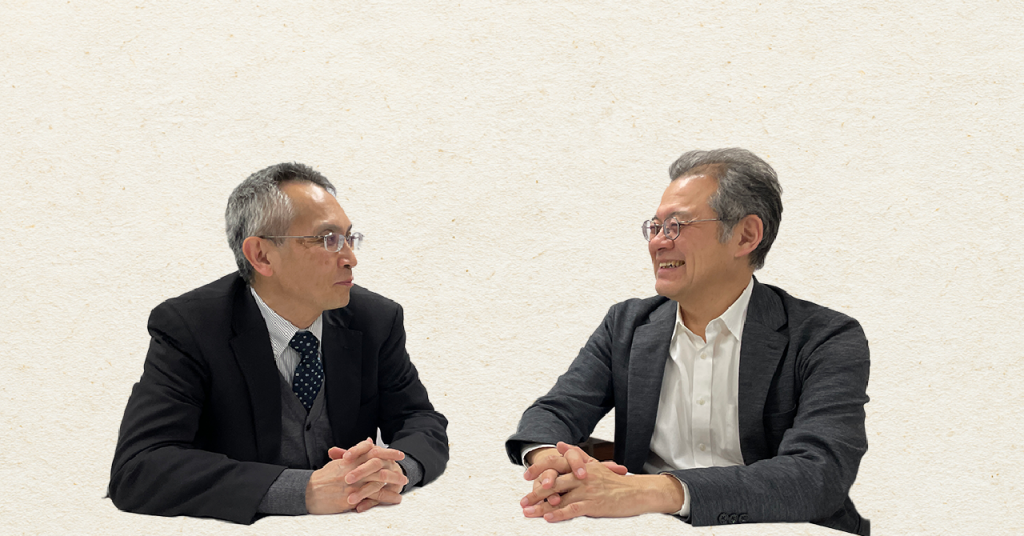
Professor Toru Ujihara (Graduate School of Engineering) and Professor Masahiro Kito, an intellectual property (IP) specialist, first met 11 years ago. Since then, they have worked together through cycles of challenge and support, from patent applications to the creation of startups.
Through this interview, we explore what it means to provide IP support that truly stands alongside a researcher’s vision.
Graduate School of Engineering
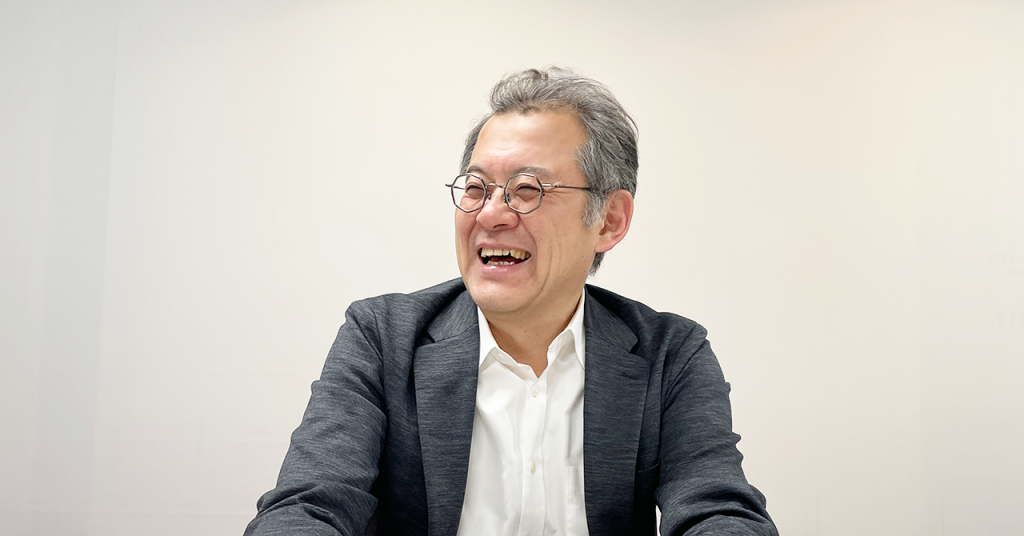
Through materials research on silicon carbide (SiC) and aluminum nitride, he has founded three startups. He describes Professor Kito as “someone I can talk to about anything—like an older brother.”
Intellectual Property & Technology Transfer Division, Academic Research & Industry-Academia-Government Collaboration
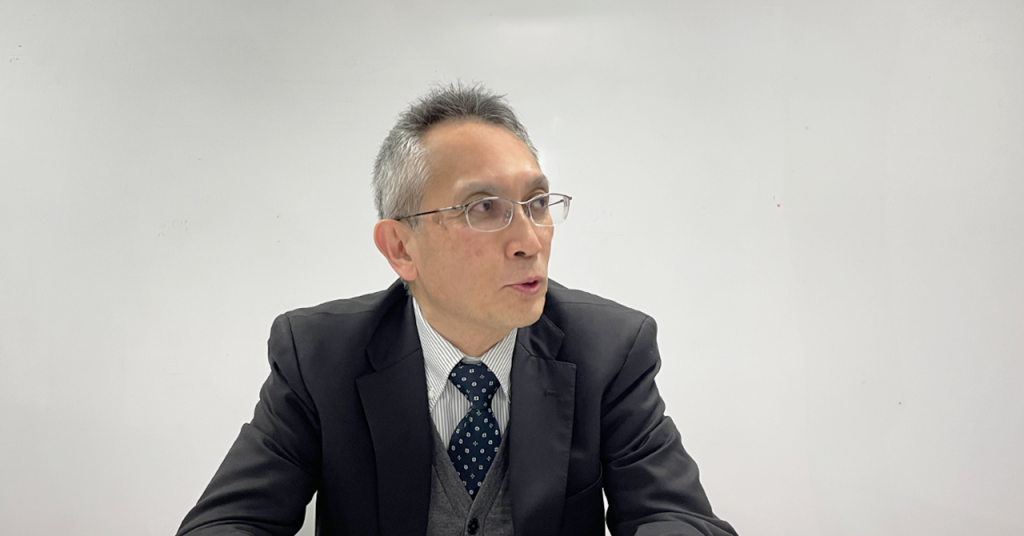
After years of IP practice in industry, he has led patent strategy and startup support at the university. A faculty member at Nagoya University, he also serves as Head of the Intellectual Property & Technology Transfer Division, where research administrators (URAs) are based. “I happened to meet Professor Ujihara at an internal meeting in 2015, shortly after I joined.”
── Could you briefly describe your research and the startups?
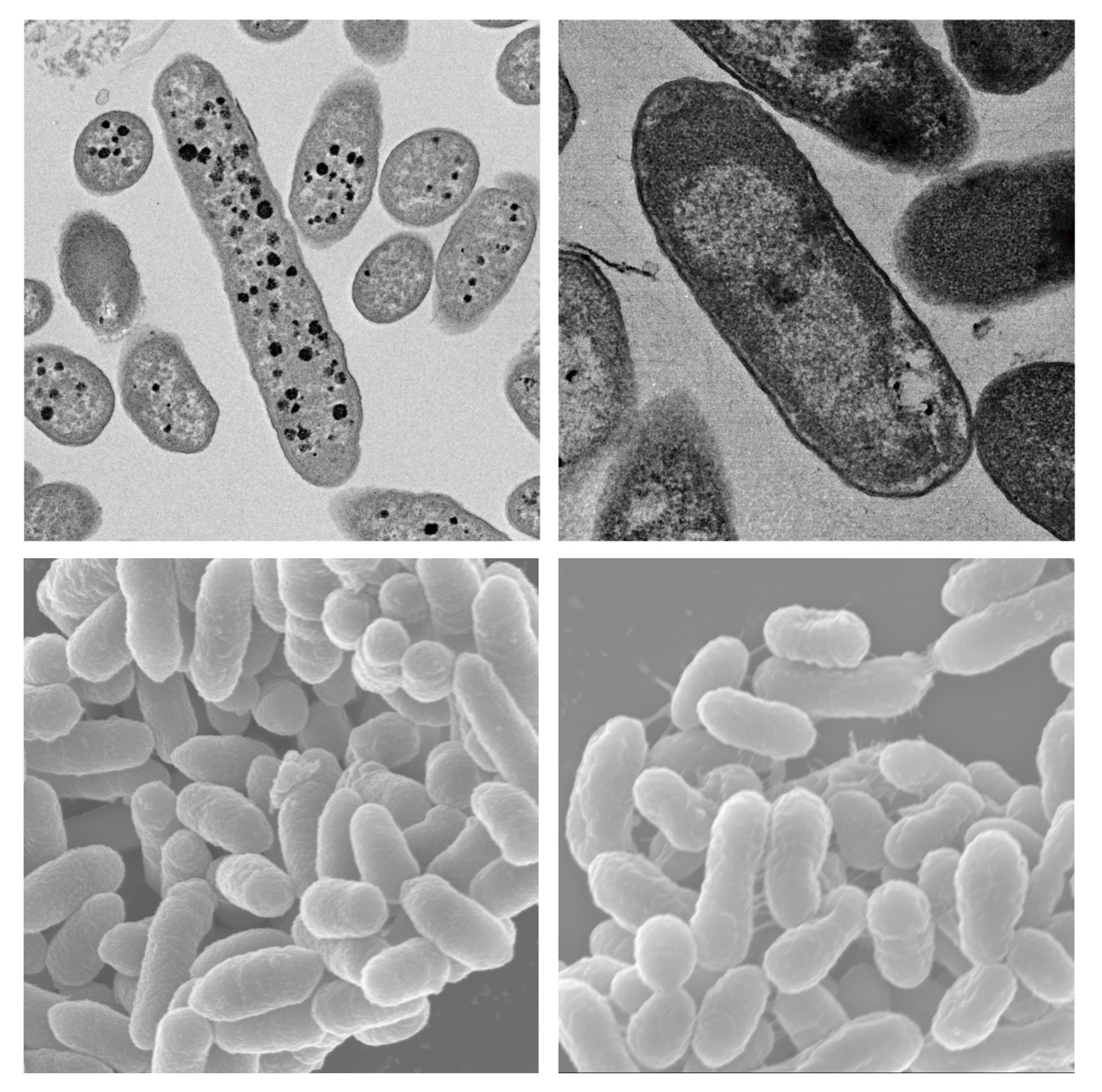
Ujihara: My research is in materials science, particularly high-performance materials such as silicon carbide (SiC) and aluminum nitride. Based on this work, I have founded three startups: UJ-Crystal, which focuses on SiC crystals; AIxtal, which applies AI to predict crystal growth conditions; and U-MAP, which focuses on fiber-like aluminum nitride known as whiskers.
── What made you want to bring your research into society?
Ujihara: Up until my 30s, I focused primarily on basic research. As I gained more experience, however, I began to think about how my work could contribute to society. That shift in perspective led me to seriously consider commercialization and entrepreneurship.
── From an IP perspective, what challenges did you encounter?
Ujihara: About ten years ago, before launching U-MAP, we first obtained a patent on the manufacturing method for whiskers. However, a process patent alone does not tell you whether the technology is actually being used. From the outside, it’s impossible to know—someone could use it quietly, and you would never find out.
Kito: That’s why we also secured patents on the product itself. With product patents, even if another company uses it without permission, you can analyze the product and say, “This uses our patented technology.” These “visible patents” are powerful when negotiating licenses.
── Does that mean there are multiple ways to design patents for a single technology?
Ujihara: Exactly. But it’s not just about obtaining patents and stopping there. The real value lies in how you bring the technology into the world. Whether you can genuinely think, “I want everyone to use this no matter what,” makes a huge difference in what intellectual property means.
Kito: I agree. Patents are only a starting point. IP support fulfills its role when we work together with researchers to think about how those rights can be used—and how they can ultimately bring research into society.
── Entrepreneurship feels like another major hurdle. What was the first step for you?
Ujihara: During a joint project with a company, we ended up with powdery, spiky byproducts instead of the single crystal we were aiming for. When we looked into them more closely, however, we realized they might actually be useful—these became what we call aluminum nitride whiskers. The company decided to give us the equipment and abandon the patent rights, telling us to do whatever we liked. When we tried selling the material commercially, it sold for 500,000 yen per gram—far above the usual market price. That experience made me think, “Maybe I should start a company.”
Kito: That was extraordinary. It’s extremely rare for a company to give up its rights like that. And the fact that there was real demand mattered a lot. Having tangible market feedback is crucial when deciding whether to pursue a startup.
── Did you make use of university startup support programs at the time?
Ujihara: No, none of that existed back then. There was no GAP fund like there is today, no structured startup support. That’s why I often say, “I wish I could do it all over again with today’s system!” [laughs]
Kito: In many ways, today’s startup support systems grew out of Professor Ujihara’s early experiences.
── So would you say your work helped shape today’s startup support framework at Nagoya University?
Ujihara: Systems and mechanisms matter, of course, but in the end, it’s about people—who you work with, and whether you can trust them. That’s everything.
Kito: When we respond sincerely to a researcher’s aspirations, that accumulation of effort builds trust. Only then can systems truly function.
Ujihara: Professor Kito always listens to my vision. [laughs]
── Does this kind of support affect researchers’ relationship with the university?
Ujihara: I think it does. Whether people feel motivated to give back to a university often depends on whether they felt supported there. If experiences like “I’m glad I was at this university” eventually lead to giving back, that becomes incredibly meaningful from a long-term perspective.
── That also matters from a university management perspective.
Ujihara: Donations will play an increasingly important role for universities. Especially when people who once received support go on to succeed, feel grateful, and eventually give back—that’s the kind of long-term relationship we need to build.
Kito: It’s not just about systems. Support that people truly appreciate can shape the university’s future. This idea—that trust today creates returns tomorrow—is not yet widely recognized in university support settings, but it may offer an important hint going forward.
── Finally, what message would you share with researchers interested in entrepreneurship?
Ujihara: Don’t hesitate; make full use of the support available. Use the systems to realize what you want to do. We’re finally in an era where that’s possible.
Kito: Rather than saying, “That can’t be done,” our approach is to ask what can be done—and how it might be done. By working closely with different teams within our organization, we hope to help turn researchers’ visions into reality.