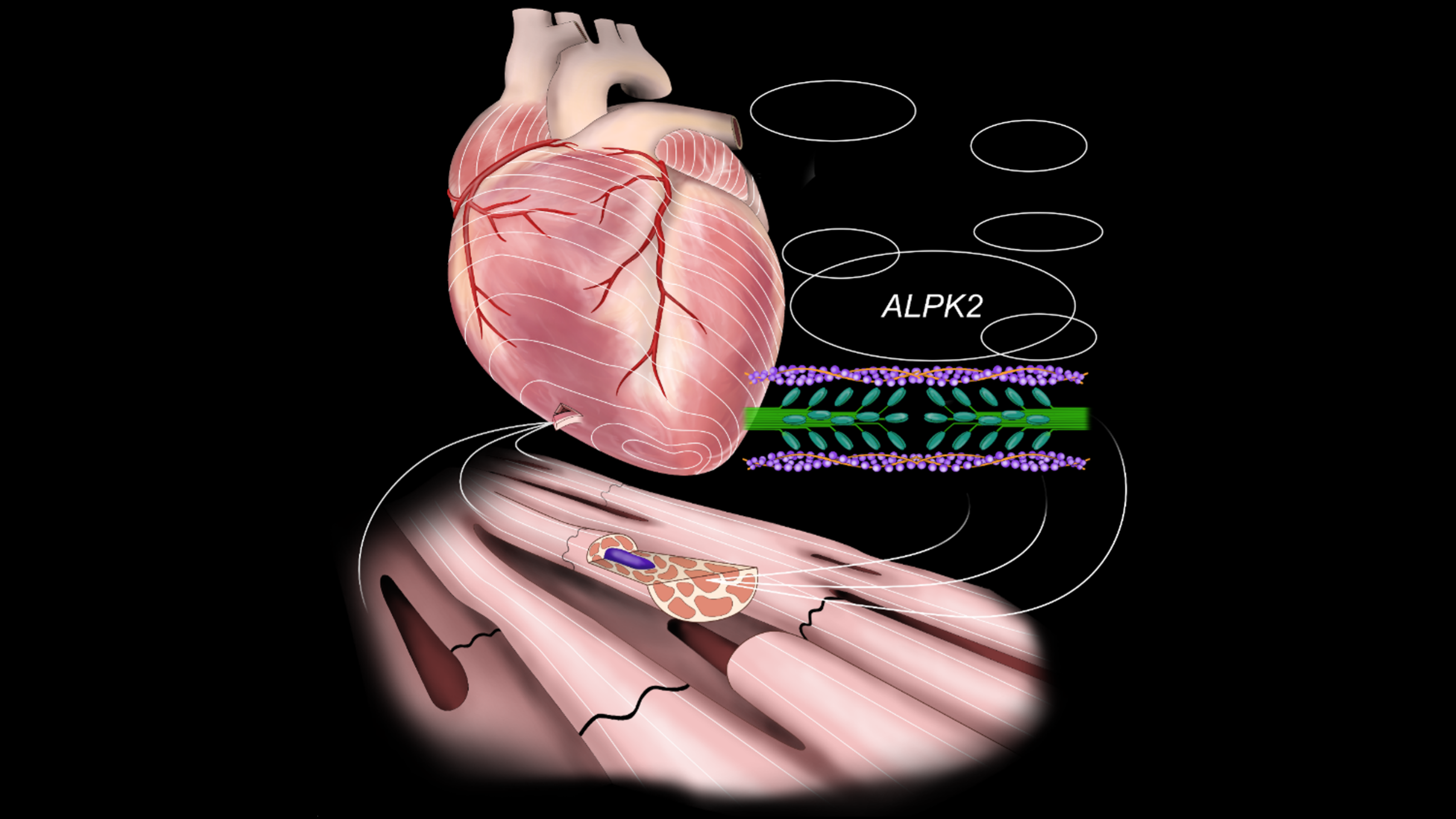
Heart failure often develops after a heart attack because excessive collagen-based scar tissue forms during repair. While collagen is necessary to reinforce scars, disease and chronic inflammation can cause overproduction, which stiffens the heart muscle and impairs its pumping ability.
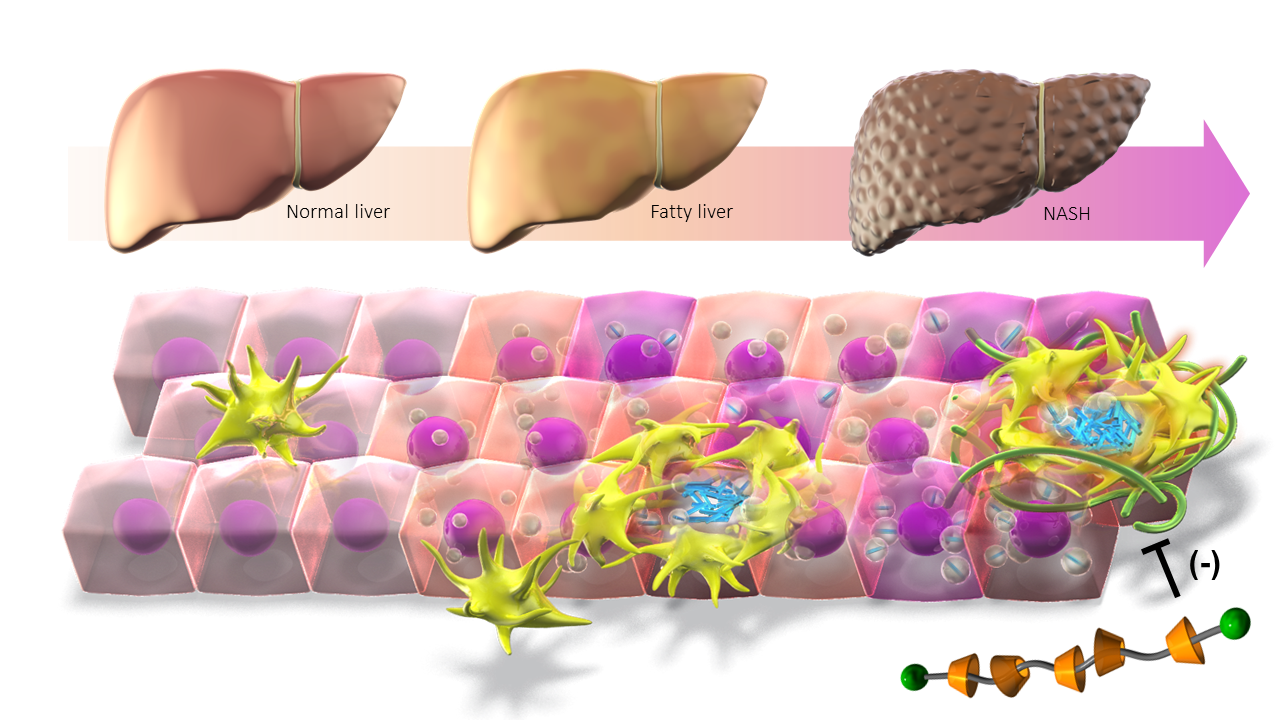
This stiffening process, called fibrosis, can also affect other organs like the liver, potentially leading to cirrhosis. Fibrosis is estimated to contribute to 45% of deaths in developed countries, but there is no definitive therapy that directly suppresses it.
Researchers in Japan have found that the enzyme BCAT1 plays a major role in cardiac fibrosis. In mouse studies, blocking BCAT1 reduced fibrosis and preserved heart function, even after tissue damage had started. These findings, published in the Journal of Clinical Investigation, highlight BCAT1 as a promising therapeutic target.
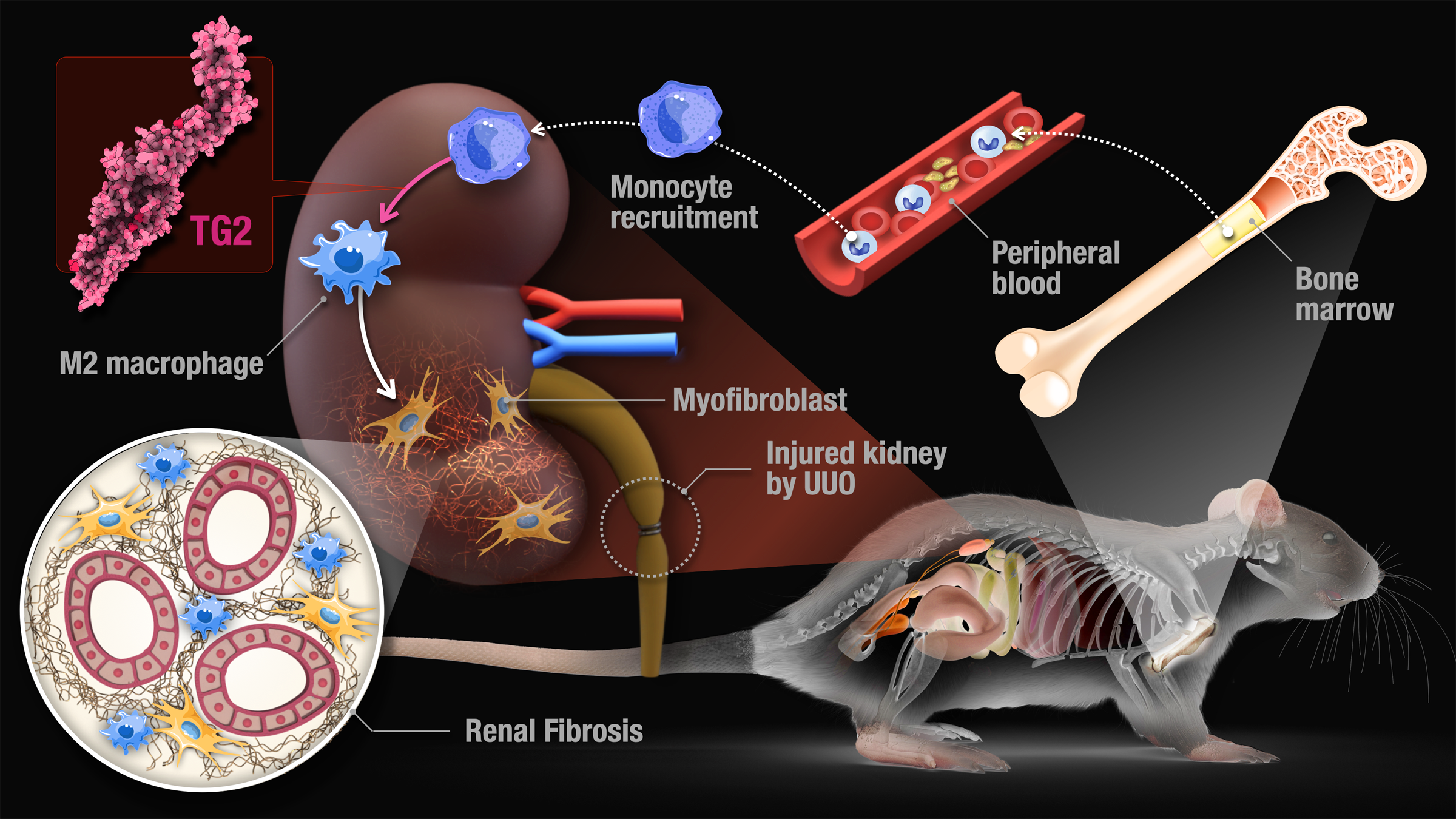
After inflammation or injury, specialized cells called myofibroblasts promote fibrosis by producing large amounts of collagen to reinforce scar tissue. Since approximately 20% of collagen consists of the amino acid proline, the researchers investigated how myofibroblasts produce and supply proline to explore new therapeutic strategies.
The team at Nagoya University, led by Professor Michio Nakaya of the Research Institute of Environmental Medicine, conducted the study in collaboration with colleagues from Kyushu University and Tokushima University.
The researchers compared genes activated by physical stress with those activated in mouse hearts after a heart attack, and identified five overlapping candidates, including Bcat1. They focused on BCAT1 because its role in myofibroblasts remained unexplored, making it a potentially promising therapeutic target.
In mouse studies, BCAT1 levels increased in collagen-producing cells after a heart attack. BCAT1 was barely detectable in healthy mouse hearts but became highly expressed in myofibroblasts as fibrosis progressed.
The study found that BCAT1 activates a cellular pathway that maintains the supply of proline, thereby supporting large-scale collagen production. This suggests that BCAT1 functions as part of the material-supply system fibrotic cells use to produce collagen.
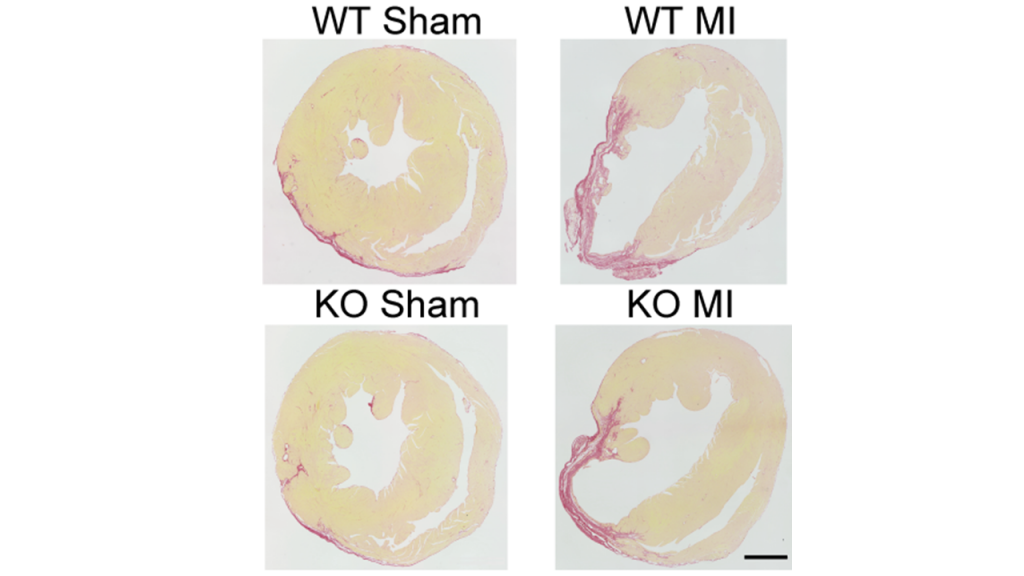
The researchers then studied mice genetically engineered to lack BCAT1. After a heart attack, these mice produced fewer proline-related enzymes and less collagen, developed less scar tissue, and maintained better heart function than control mice.
The team also tested the effects of the BCAT1 inhibitor ERG240 in mice after a heart attack. ERG240 administration reduced scarring and preserved heart function, even when treatment began seven days after injury, during the transition from acute inflammation to the chronic phase. This is significant because clinical interventions usually occur after, rather than before, a heart attack.
Analysis of human heart tissue from patients with heart failure revealed elevated BCAT1 levels linked to increased fibrosis, suggesting a similar mechanism in humans. The researchers also found higher BCAT1 levels in the livers of patients with fatty liver disease, indicating this approach could target fibrosis in other organs.
Because BCAT1 is mostly absent in healthy tissue and primarily active in scar-forming cells, the researchers propose that targeting BCAT1 could reduce fibrosis without affecting normal tissue. This strategy may result in fewer side effects than existing anti-fibrotic treatments.
Nakaya said, “We found that BCAT1 is a new driver of excessive collagen production in the fibrotic heart by increasing the supply of proline, a major building block of collagen. Importantly, pharmacological inhibition of BCAT1 suppressed cardiac fibrosis and preserved cardiac function, even when treatment started after fibrosis had begun to develop.”
The team’s next step is to determine whether the BCAT1-proline pathway also drives fibrosis in the liver and other organs. They also aim to develop clinically applicable BCAT1-targeted therapies and assess their safety, optimal dosing, and efficacy.
Publication information
Noburo Takizawa, Takanori Hironaka, Hayato Watanabe, Haruna Suetsugu, Keisuke Yoshioka, Yuma Horii, Yuri Nagata, Hiroaki Matoba, Hidetaka Kosako, Kenji Hamase, Go Hirai, Michio Nakaya, 2026. Branched-chain amino acid transaminase 1–mediated pathway promotes proline-dependent collagen production in cardiac myofibroblasts, Journal of Clinical Investigation.
DOI: 10.1172/JCI182216
Released as an in-press preview on July 31, 2026, and published online on September 1, 2026.
Funding information
• Grants-in-Aid for Scientific Research (KAKENHI) (JP26K02168, JP25K22523, JP23K27323)
• The Takeda Science Foundation
• The Mochida Memorial Foundation for Medical and Pharmaceutical Research
• Princess Takamatsu Cancer Research Fund
• Ono Medical Research Foundation
• Hoansha Foundation
• The Yasuda Medical Foundation
• KOSÉ Cosmetology Research Foundation
• Japan Agency for Medical Research and Development (AMED) (JP23am0401003s0305, JP25gm6710018h0003, JP25fk0210127h0003, and JP26gm6710018h0004)
• Grant-in-Aid for JSPS Research Fellow (19J20083, 21J11273,22J20790)
• Make New Standards Program for the Next Generation Researchers (I260029)
Expert contact
Michio Nakaya
Professor, Research Institute of Environmental Medicine, Nagoya University
Email: nakaya@riem.nagoya-u.ac.jp
Media contact
Naomi Inoue
International Communications Office, Nagoya University
Email: icomm_research@t.mail.nagoya-u.ac.jp