Researchers transplant human tissue derived from stem cells into a monkey whose pituitary gland was removed, producing a hormone essential for stress response.
Researchers in Japan have transplanted pituitary tissue grown from human stem cells into a primate whose pituitary gland had been surgically removed, successfully restoring critical hormone signals. Led by researchers from Nagoya University in Japan, the team showed that the same method worked in mice over a longer period. This is the first time lab-grown human pituitary cells have been shown to work and survive after transplantation into a primate. The study, published in the journal Stem Cell Research & Therapy, may offer a new pathway for treating lifelong hormone disorders.
The pituitary gland controls hormones for stress, growth, and metabolism. When it is damaged or removed, patients rely on daily hormone pills that do not accurately mimic the body’s natural fluctuations. This study tested if lab-grown pituitary tissue can be transplanted to produce hormones naturally instead.
The pituitary gland sits at the base of the brain and releases hormones into the bloodstream. One of them is ACTH, adrenocorticotropic hormone, which signals the adrenal glands to release cortisol. Cortisol helps the body manage stress, blood pressure, and blood sugar. When the pituitary fails, patients lose this signal, leading to a condition called hypopituitarism.
Without enough ACTH, the body struggles to respond to stress, which can become dangerous. Daily hormone pills for life are the standard treatment, but these pills cannot fully match the changing needs of the body because demand for cortisol shifts with stress and time of day. As a result, patients face a higher risk of sudden death.
Testing lab-grown pituitary tissue in mice
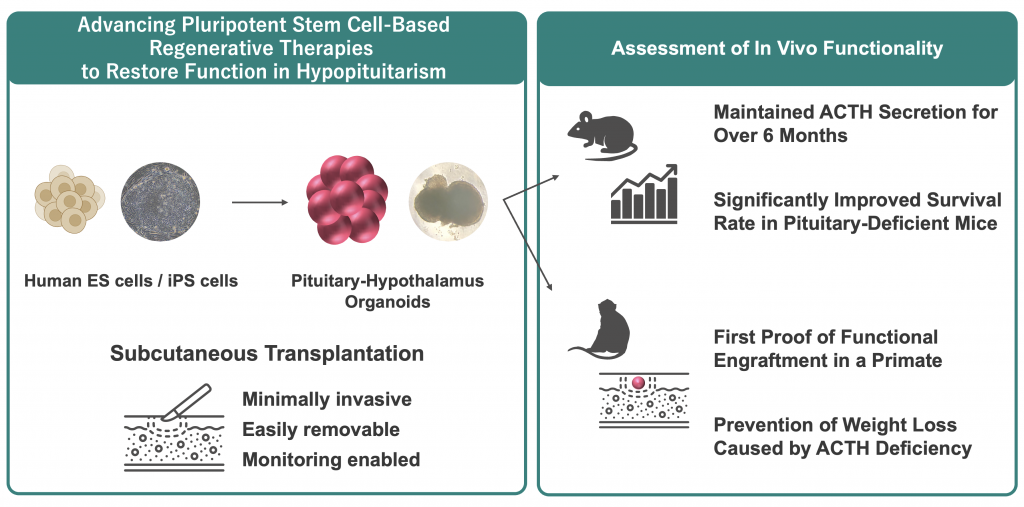
To find a better option, the researchers turned to stem cells. They grew small lab-made masses of tissue that can act as mini organs, called organoids, from human stem cells. The organoids contained cells that produce ACTH. The team first tested the tissue in mice whose pituitary glands were removed.
“The organoids were transplanted just under the skin, in fat or muscle tissue. They produced ACTH for more than six months and clearly extended the lifespans of these mice compared to those that did not receive the transplant. No unwanted tumors or unusual cell growth were observed,” said first author Tatsuma Kondo, guest researcher at Nagoya University’s Graduate School of Medicine.
Moving to a primate model
The research team then moved a step closer to humans and transplanted the organoids in a macaque monkey whose pituitary gland had been removed. To prevent rejection of the tissue because it came from a different species, they used immune-suppressing drugs already used in transplants of human insulin-producing cells for diabetes.
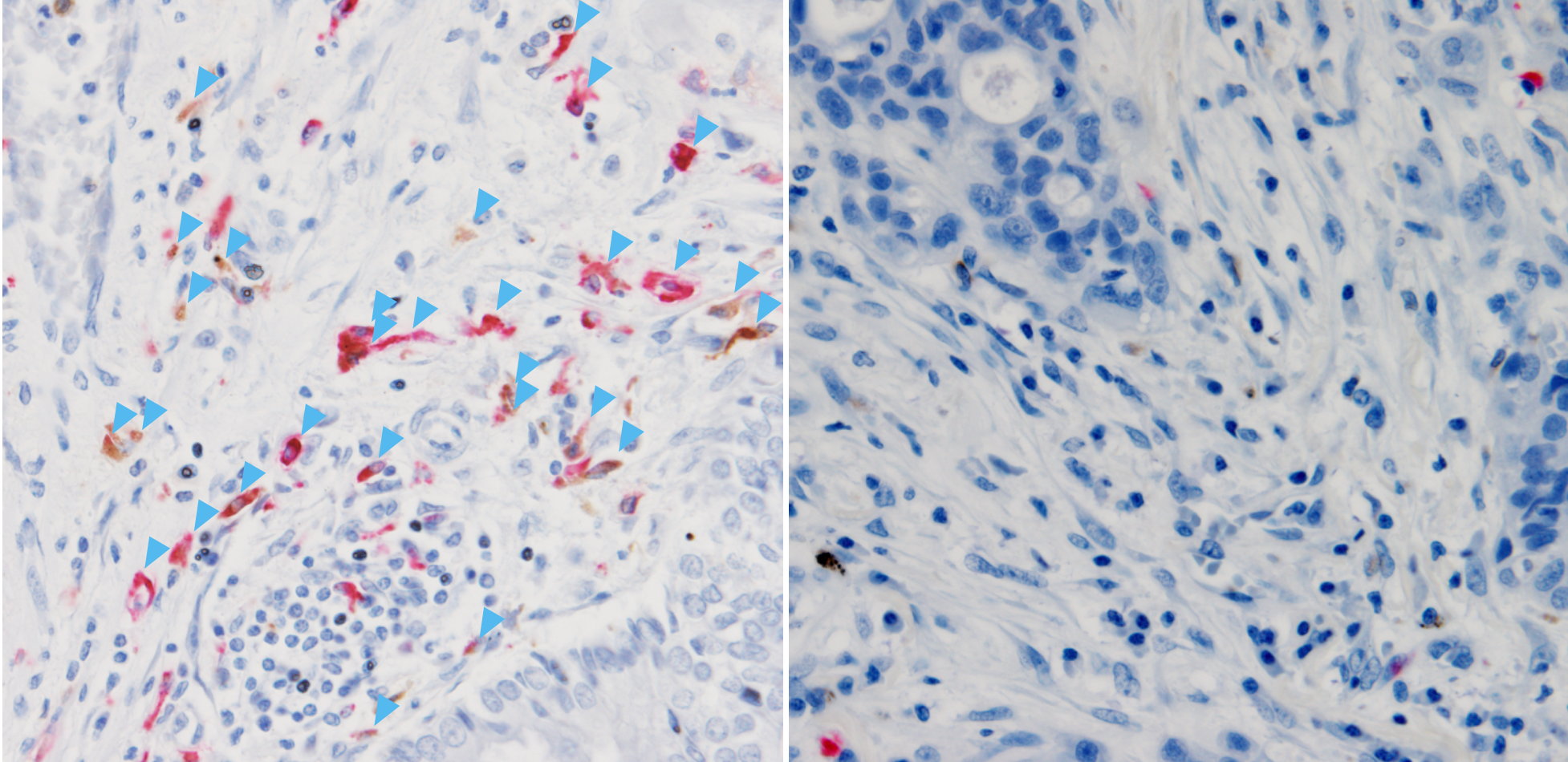
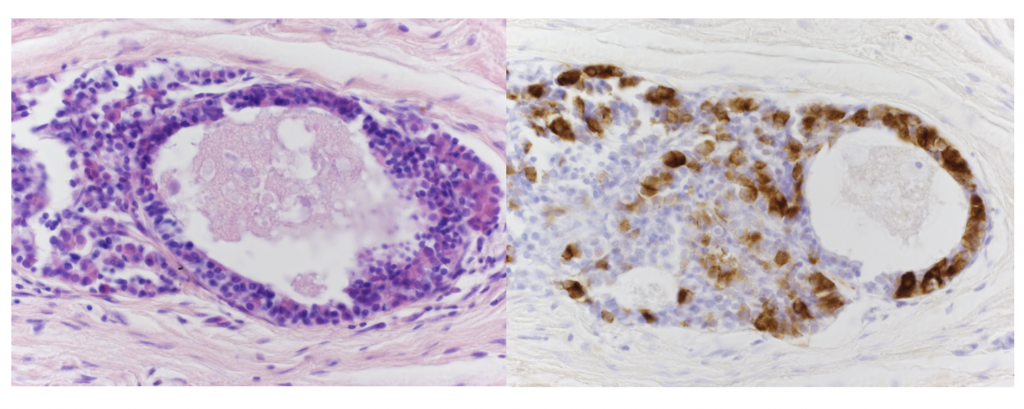
The transplanted tissue worked for six weeks and successfully elevated ACTH and cortisol levels in the blood. Additionally, significant weight loss caused by the hormone deficiency slowed during this period. Three months later, tissue samples still showed surviving transplanted cells, despite strong immune rejection common in cross-species transplants, which limited how well the transplant worked.
Stem-cell treatments have a known risk of cells moving from the transplant site and growing uncontrolled elsewhere in the body. The researchers checked the lungs and liver for signs of stray organoid tissue and found none.
“We tested this approach in a single primate and are planning further studies to improve how long the tissue lasts and test safer immune-suppressing methods,” Kondo said.
Publication information:
Tatsuma Kondo, Hidetaka Suga, Kenji Watari, Shiori Taga, Mayu Sakakibara, Mika Soen, Ikuo Kawamoto, Kazuki Nishida, Ryo Emoto, Yukihiro Shiraki, Sasaki Hiroo, Tsutomu Miwata, Toshiaki Hirose, Yuichi Nagata, Kazuhito Takeuchi, Tokushige Nakano, Atsushi Ikeda, Atsushi Kuwahara, Atsushi Enomoto, Hideaki Tsuchiya, Hiroshi Arima, Ryuta Saito, 2026. Functional analysis of adrenocorticotropic-hormone-producing pituitary cells derived from human pluripotent stem cells in murine and primate models of hypopituitarism, Stem Cell Research & Therapy. DOI: https://doi.org/10.1186/s13287-026-05098-y
Funding information:
This research was supported by the Japan Agency for Medical Research and Development (JP24ek0109702 and JP25ym0126807), the Japan Science and Technology Agency (JST) FOREST Program (JPMJFR200N), the Ministry of Education, Culture, Sports, Science and Technology of Japan Grant-in-Aid for Scientific Research (C) (JP23K08005), Nagoya University Hospital Funding for Clinical Research (71004191), RACTHERA Company, Sumitomo Chemical Company, and Sumitomo Pharma Company.
Expert contact:
Hidetaka Suga
Graduate School of Medicine
Nagoya University
Email: sugahide@med.nagoya-u.ac.jp
Media contact:
Merle Naidoo
International Communications Office
Nagoya University
Email: icomm_research@t.mail.nagoya-u.ac.jp
Top image:
Transplanted pituitary tissue after 3 months: tissue structure showing the transplanted cell cluster within the surrounding tissue. Right: The same region stained for ACTH, the hormone these pituitary cells naturally produce. Brown staining indicates active ACTH production, confirming the cells remained functional despite ongoing immune rejection. Credit: Kondo et al., 2026, Stem Cell Research & Therapy (CC BY-NC-ND)
Researchers
-
SAITO RyutaGraduate School of Medicine, Program in Integrated Medicine, Clinical Neurosciences
-
SUGA HidetakaGraduate School of Medicine, Program in Integrated Medicine, Internal Medicine
-
NAGATA YuichiGraduate School of Medicine
-
TAKEUCHI KazuhitoNagoya University Hospital, Neurosurgery
-
ARIMA HiroshiGraduate School of Medicine, Program in Integrated Medicine, Internal Medicine
Related organizations
Related tags
- Cortisol
- Hormones
- Medicine, Dentistry, and Pharmacy
- Organoids
- Pituitary gland
- Primates
- Stem cells
- Tissue transplantation