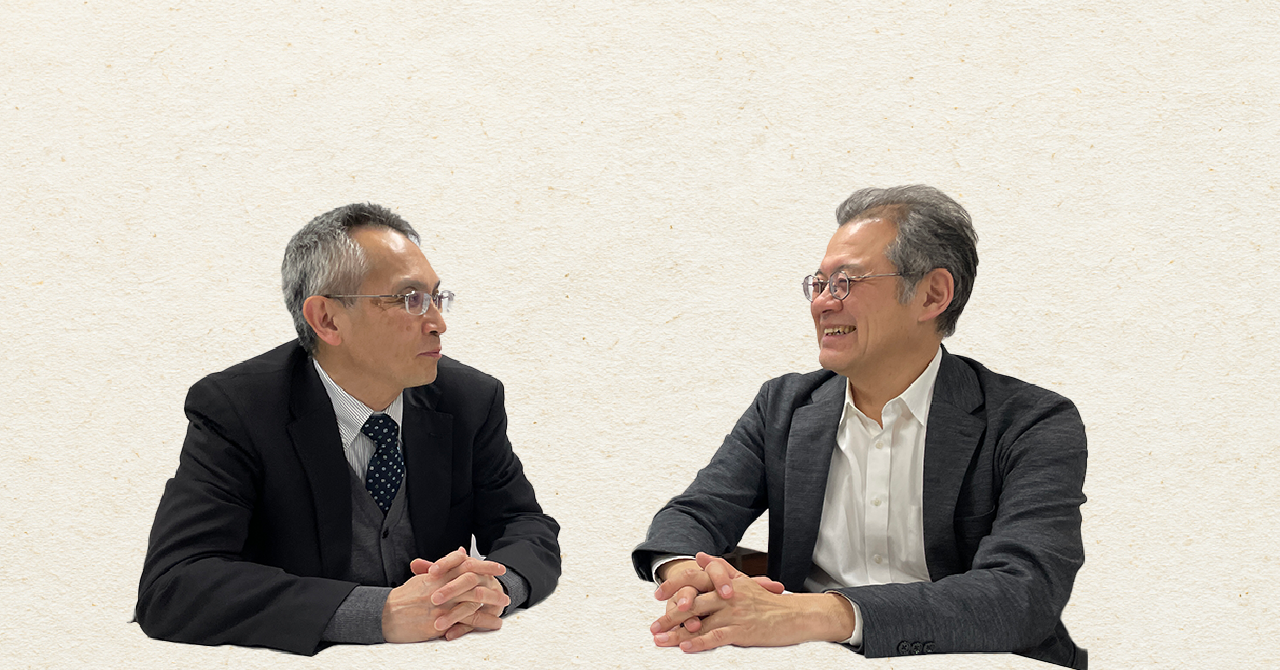
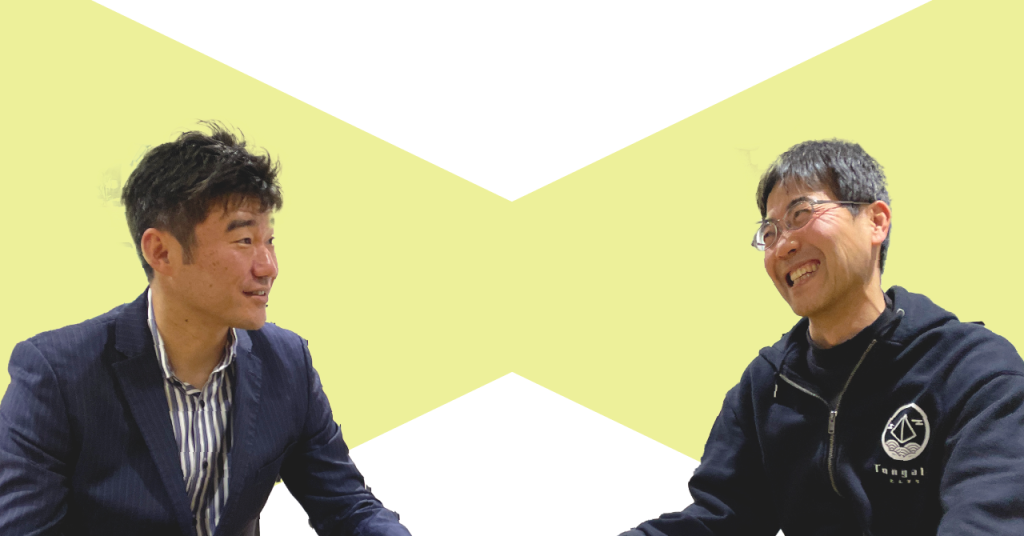
Interview and text: Megumi Maruyama (URA, Planning and Project Development Division, Academic Research & Industry-Academia-Government Collaboration)
“International collaboration” is a phrase often heard at universities.
But what does it actually mean in practice—and where does it begin?
This article follows Shih-Nan Hsiao, a designated professor, and Chieh-Ju Liao, a university research administrator (URA), who worked together to build international collaboration from scratch. Both are originally from Taiwan. Together, they built a partnership between Nagoya University and Taiwanese institutions.
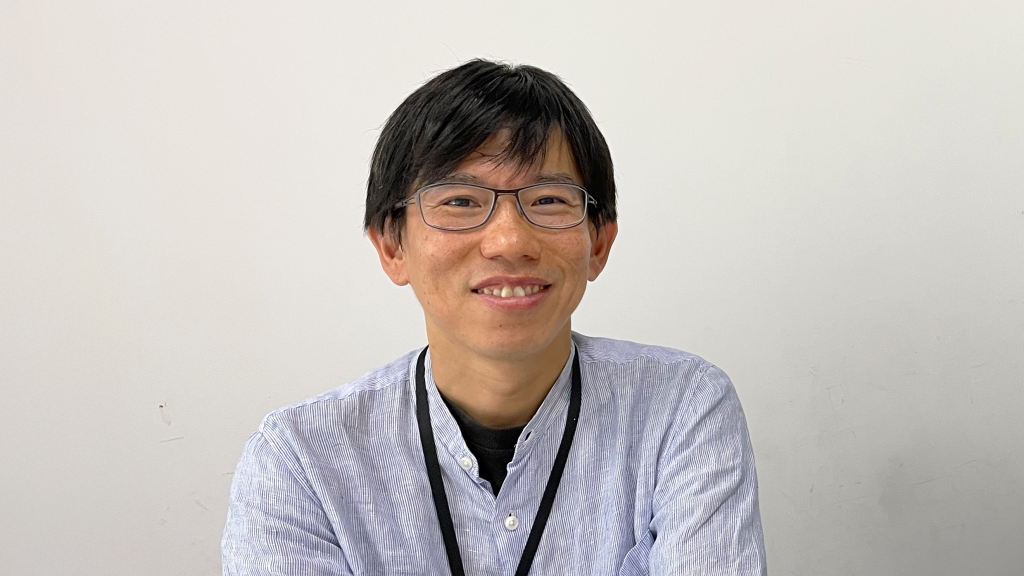
Low-Temperature Plasma Science Research Center (cLPS)
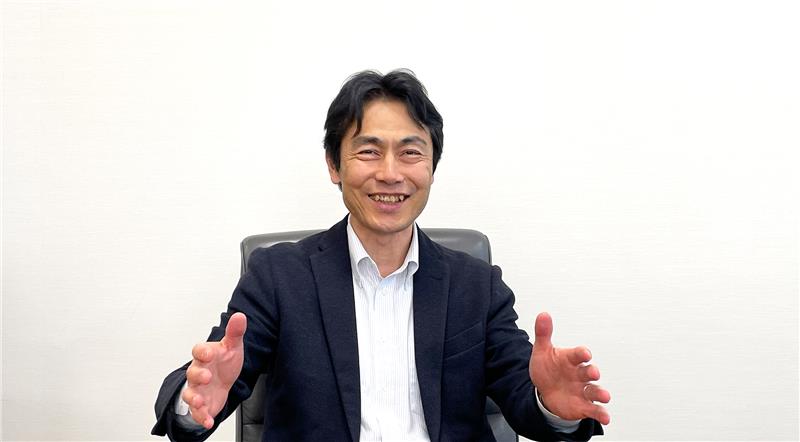
After working on plasma-related research in Taiwanese industry, he decided in 2018 to pursue a new challenge abroad. He describes himself as strongly drawn to Japan, saying that “if I were to go abroad, it was the only choice.”
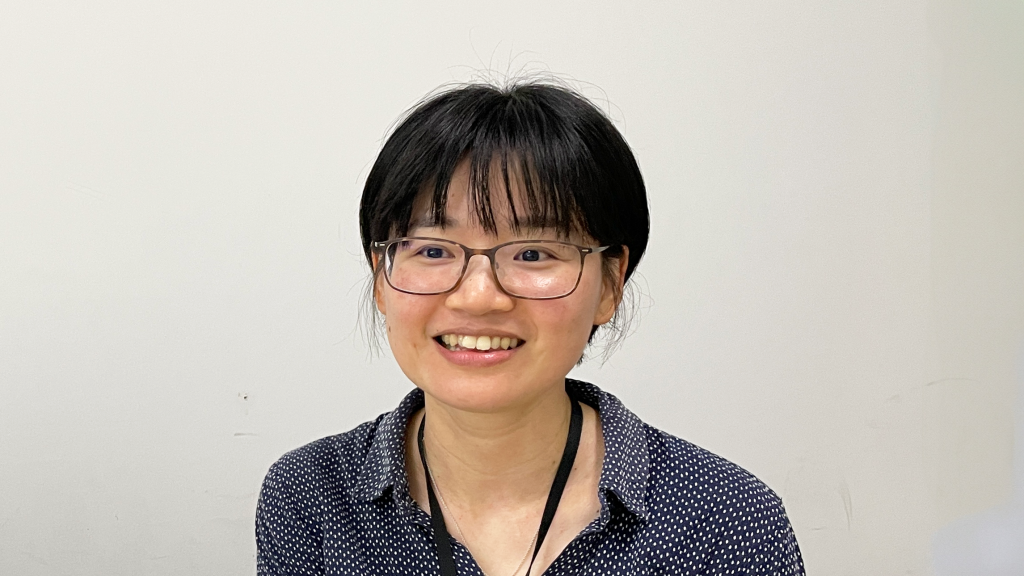
Planning & Project Management Division, Academic Research & Industry-Academia-Government Collaboration
After working in the semiconductor industry in Taiwan, she moved to Japan in 2020 and currently serves as a dedicated URA for cLPS, supporting research and international collaboration.
Their story offers practical insights for anyone involved in international research collaboration.
── Could you start by telling us how you each came to Nagoya University?
Hsiao: When I decided to take on a new challenge in Japan, a work connection led me to Professor Masaru Hori at Nagoya University. It was just as the Low-Temperature Plasma Science Research Center (cLPS) was being established, and I joined as a researcher.
Liao: I joined Nagoya University in June 2021 as a technical assistant, after cLPS had already been launched. Drawing on my experience at a semiconductor company in Taiwan, I supported industry–academia collaborative research and have been working as a dedicated URA since December 2023.
── You were already working with plasma technologies in industry. Are you continuing the same research at Nagoya University?
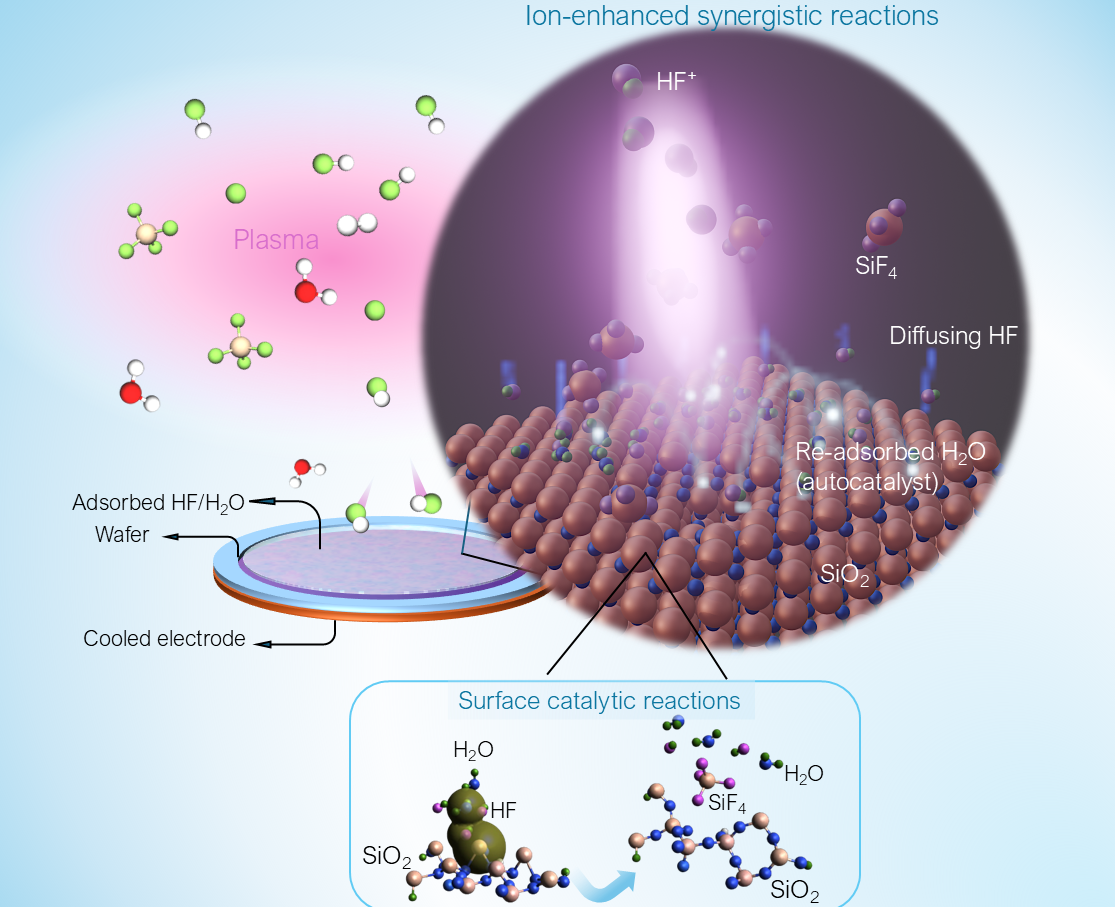
Hsiao: Actually, it’s quite different. I now work on plasma etching technologies for semiconductor manufacturing, essential for producing electronic circuits such as those in smartphones, while exploring lower-impact processes. At cLPS, most projects in this area are conducted jointly with industry.
Liao: To allow Professor Hsiao to focus on research, I support coordination with companies and research funding applications, and have also been involved in planning international collaboration as a URA.
── So research itself became the entry point for international collaboration.
Hsiao: Yes. In 2022, Professor Hori, the cLPS Director, proposed strengthening collaboration with Taiwan, given its global strength in the semiconductor industry. As someone originally from Taiwan, I was expected to help bridge the two sides.
Liao: Based on that policy, I began coordinating with universities in Taiwan with my experience in research support and language skills. Many Taiwanese universities work closely with industry, with a strong focus on training semiconductor professionals, and I saw clear overlap with research at cLPS.
── How did collaboration with Taiwanese universities actually begin?
Hsiao: Through personal networks. I had long-standing connections with professors at Taiwanese universities built earlier in my academic career. Our semiconductor research at cLPS aligned well with research areas that Taiwanese universities have been prioritizing. As a result, discussions moved forward naturally, and the direction of collaboration became clearer.
── Are there differences between Japanese and Taiwanese universities in research strengths or approaches?
Hsiao: Yes. Semiconductor manufacturing relies on both deposition and etching processes. Taiwanese universities are particularly strong in deposition technologies, while cLPS has strengths in etching. Bringing these complementary strengths together has allowed us to advance joint research effectively.
Liao: Another difference is communication style. In Taiwan, communication is often done through LINE, a popular messaging app, and responses tend to be very fast. It can feel intense at times, but it also helps research move forward quickly.
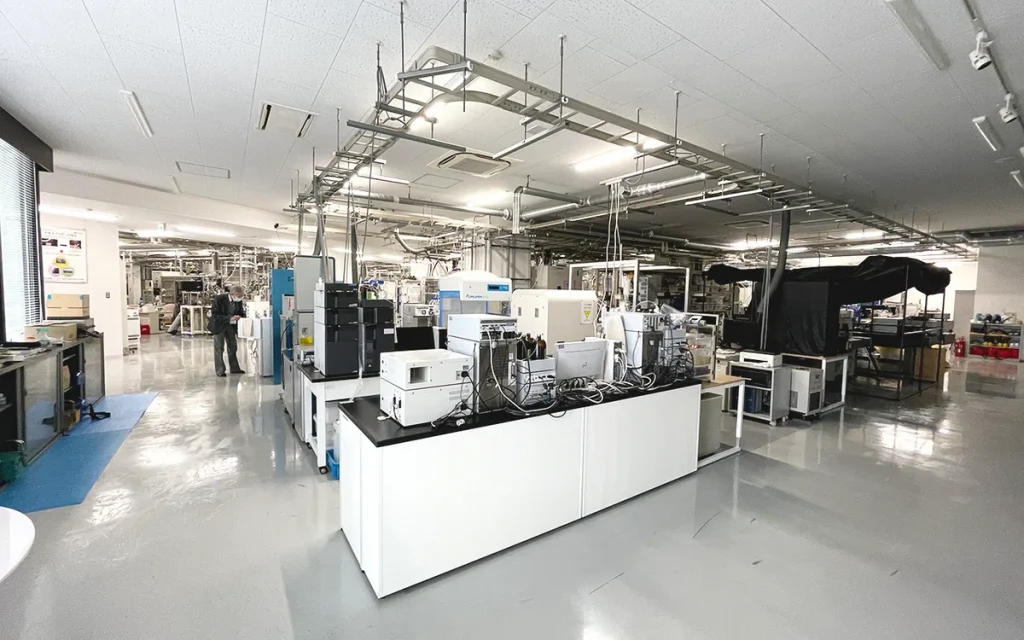
A spacious, open-plan laboratory of approximately 2,000 m², with rows of experimental equipment and minimal partition walls.
── Which universities are you collaborating with?
Liao: We are collaborating with National Tsing Hua University, National Yang Ming Chiao Tung University, and Ming Chi University of Technology. In particular, Tsing Hua University and Yang Ming Chiao Tung University work closely with semiconductor companies such as TSMC, integrating industry perspectives into education.
Hsiao: I strongly agree with the mindset shared by companies such as TSMC. Rather than focusing only on individual institutions, there is an emphasis on developing the semiconductor field as a whole, and I have learned a great deal from that perspective.
── What initiatives is cLPS currently pursuing?
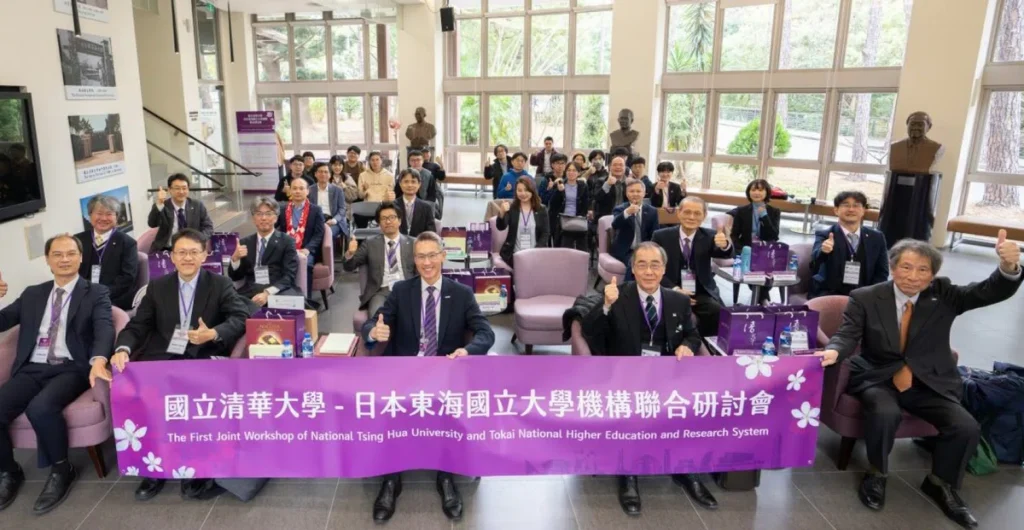
Liao: We are currently preparing a doctoral double-degree program with Tsing Hua University, with joint supervision by faculty at both institutions. We plan to formally conclude the agreement at an upcoming semiconductor workshop this December, and hope to expand these connections to industry partners such as TSMC in the future.
── How do you see this experience shaping future international collaboration?
Hsiao: I hope this collaboration with Taiwan can serve as a model for expanding semiconductor research at cLPS and human resource development internationally. I would like to see it grow into an Asia-origin platform that brings together research, education, and industry, and eventually expand collaboration to the United States and Europe.
Liao: I believe what we have learned through this experience can also be applied to international collaboration beyond plasma science, and I plan to stay actively involved. As a URA, I design and coordinate institutional frameworks, but I also see my role as connecting different countries and cultures. At the upcoming international symposium, the International Plasma Technology Joint Conference 2025 (IPTJC2025), I will present this case as a poster. I hope to help support broader thinking on how future connections can be designed, working closely with researchers.