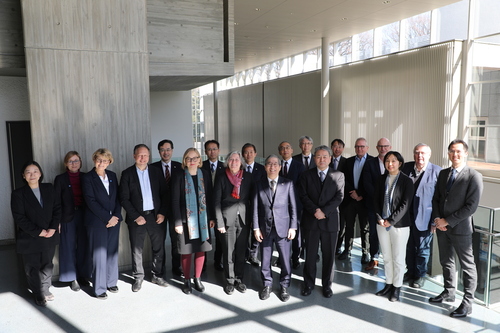
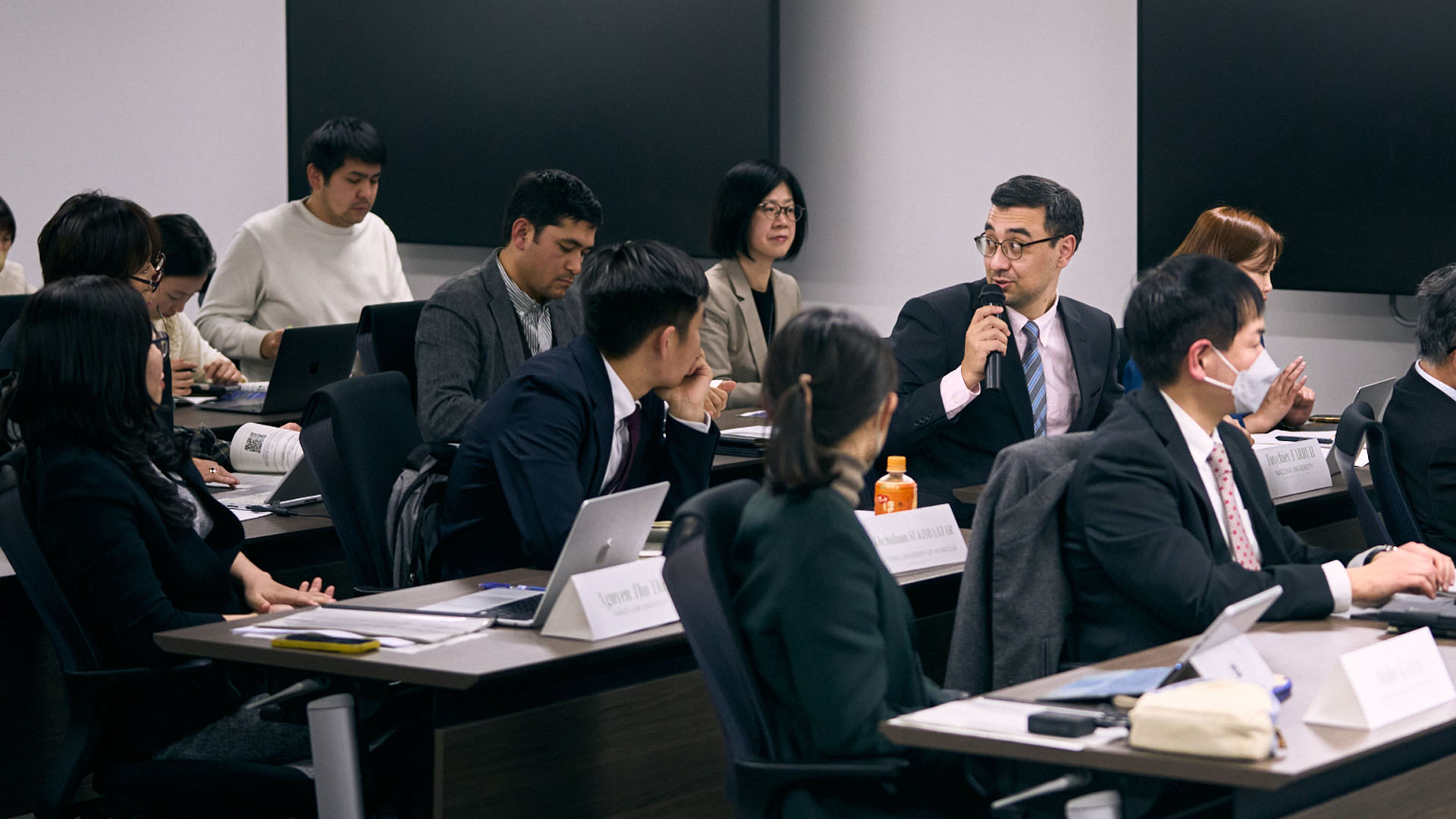
A hybrid workshop bringing together researchers from Japan and the Philippines to discuss and advance bamboo research and sustainable development was held by Nagoya University’s Graduate School of Environmental Studies (GSES) and the Asia Collaborative Development Department (ACDD).
Held on March 16-17, 2026, the two-day workshop highlighted the growing importance of bamboo as a versatile and renewable resource with wide-ranging applications in energy, construction, and environmental management. It also served as a valuable platform for knowledge exchange, enabling participants to identify shared challenges and explore opportunities for joint research and innovation between Japan and the Philippines.
Technology, innovation, and opportunities in bamboo research
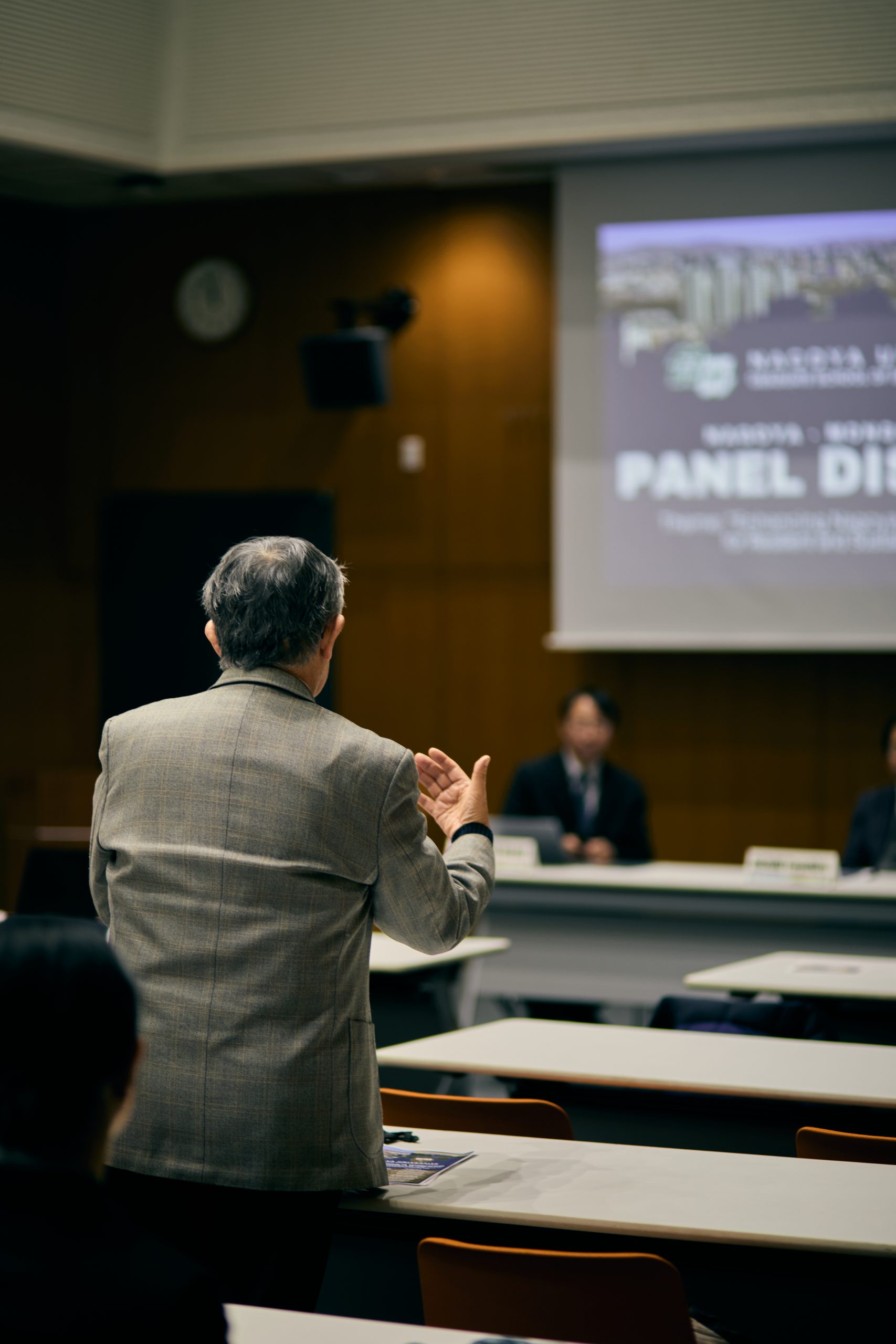
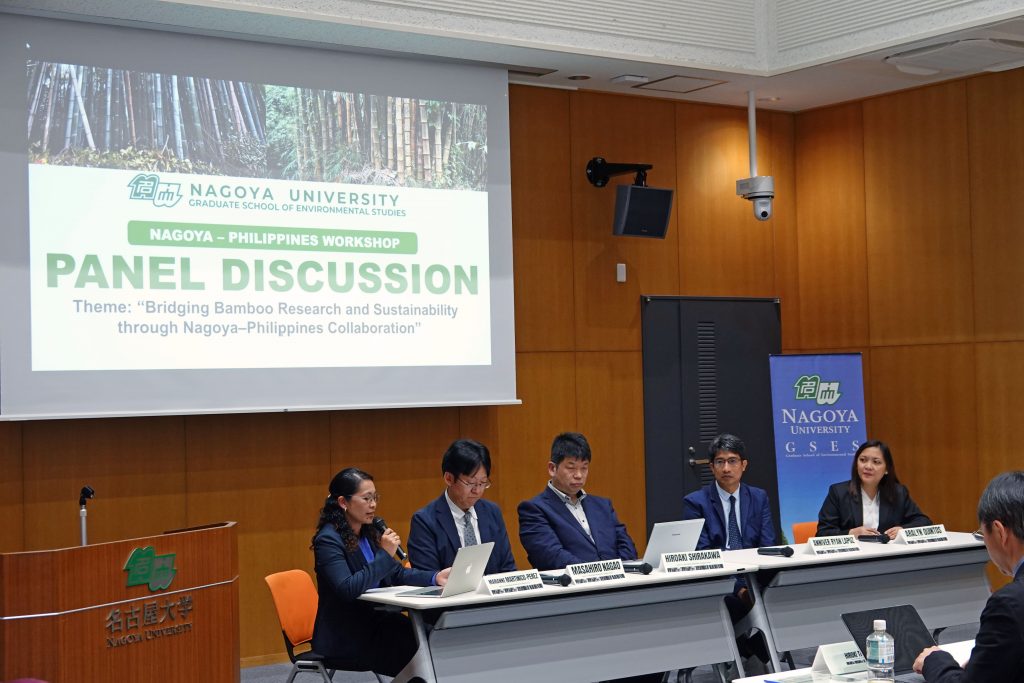
Session 1 took place on March 16 at the Environmental Studies Hall on the Higashiyama Campus. Researchers from both countries exchanged insights and experiences, followed by a panel discussion on potential areas for collaboration.
Professor Hiroki Tanikawa, Dean of the Graduate School of Environmental Studies, opened the session by stressing the importance of greater collaborative research on bamboo as a strategic resource for sustainable development.
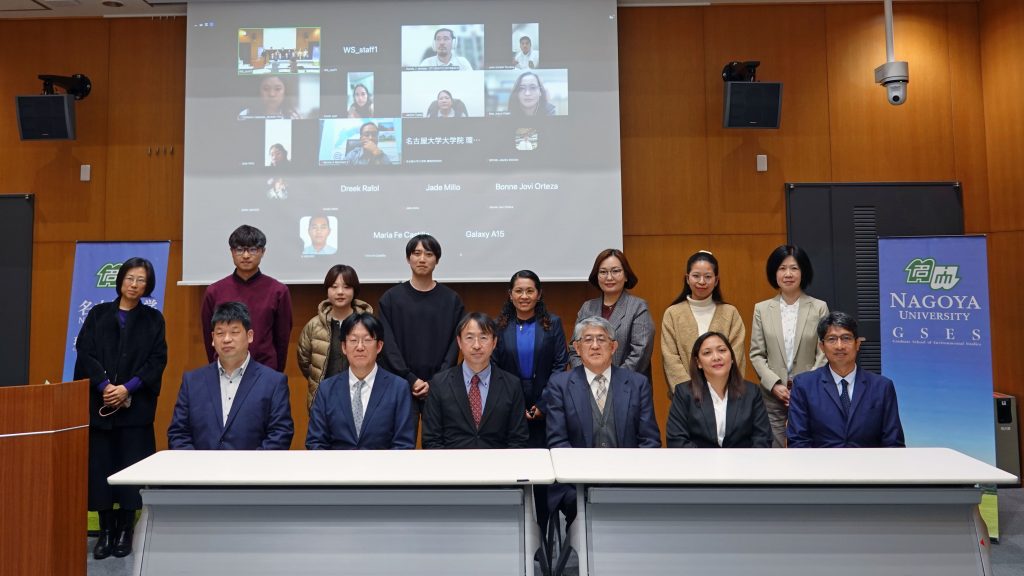
Associate Professor Masahiro Nagao of Nagoya University led off the presentation, introducing innovative work on utilizing bamboo as a source of hydrogen and methanol through electrolysis, as well as the application of LiDAR technologies for bamboo forest monitoring in Japan.
Representing the Philippine perspective on bamboo as a renewable energy source, Dr. Anniver Ryan Lapuz of the Forest Products Research and Development Institute (FPRDI), Department of Science and Technology (DOST), Philippines, then presented research on bamboo pellet production and densification technologies as possible source of bioenergy. The presentation detailed the process of converting bamboo into pellets, including collection, drying, and processing methods, with energy density calculations showing comparable results to rice straw.
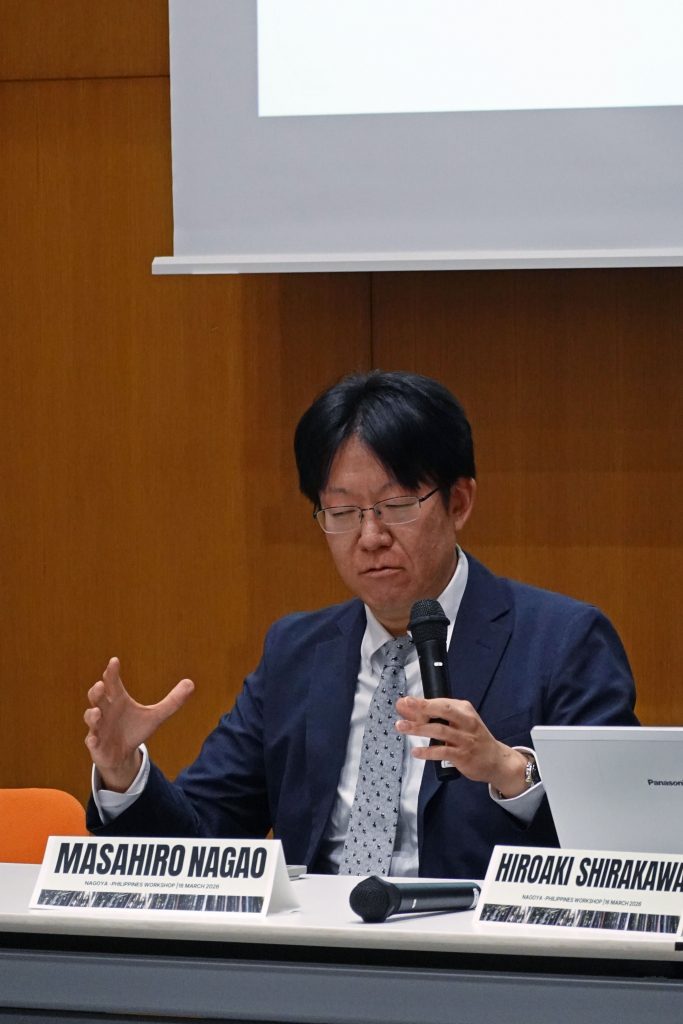
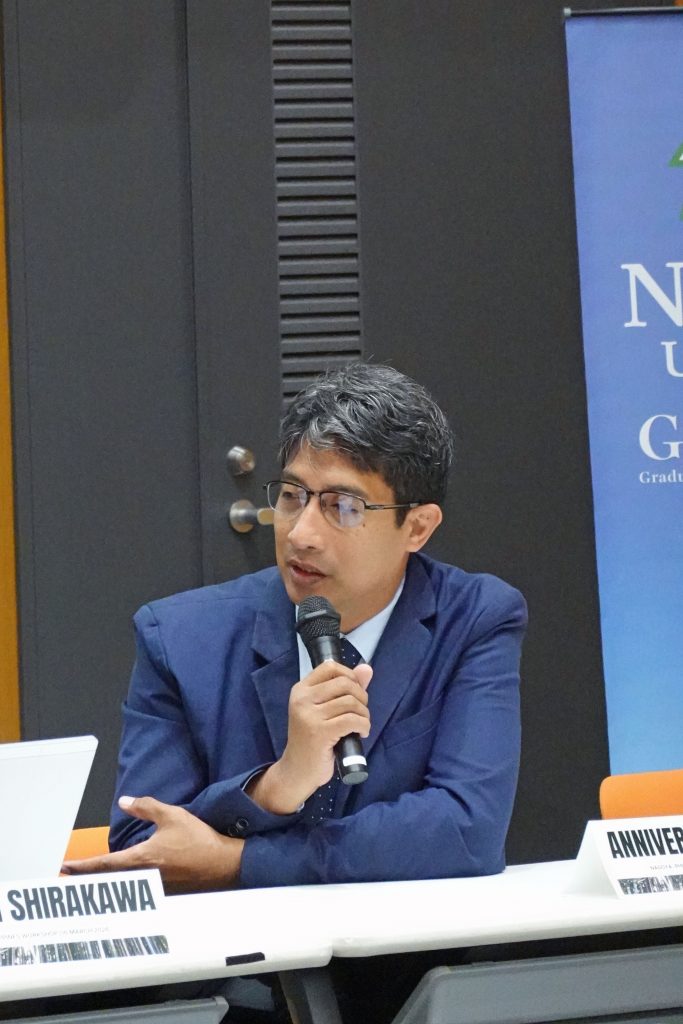
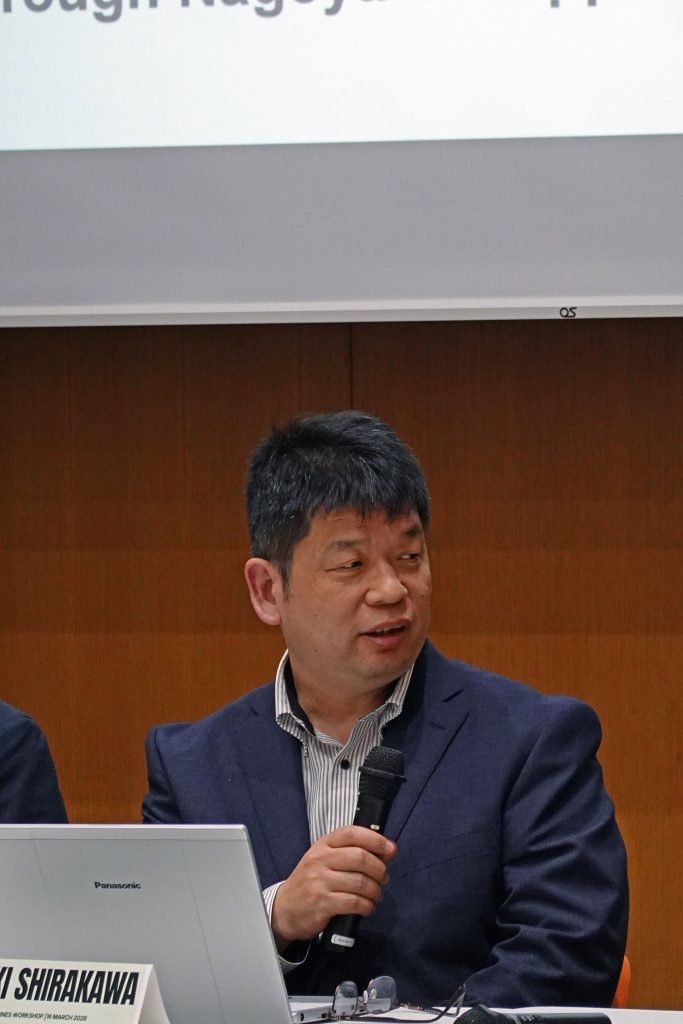
Associate Professor Hiroaki Shirakawa of Nagoya University discussed the social and economic value of bamboo, including the potential for carbon credits through bamboo biochar production. He concluded that while carbon credits alone cannot cover management costs, a comprehensive evaluation of bamboo utilization must consider both economic and social benefits, such as the need for better database management and life cycle assessment of bamboo products.
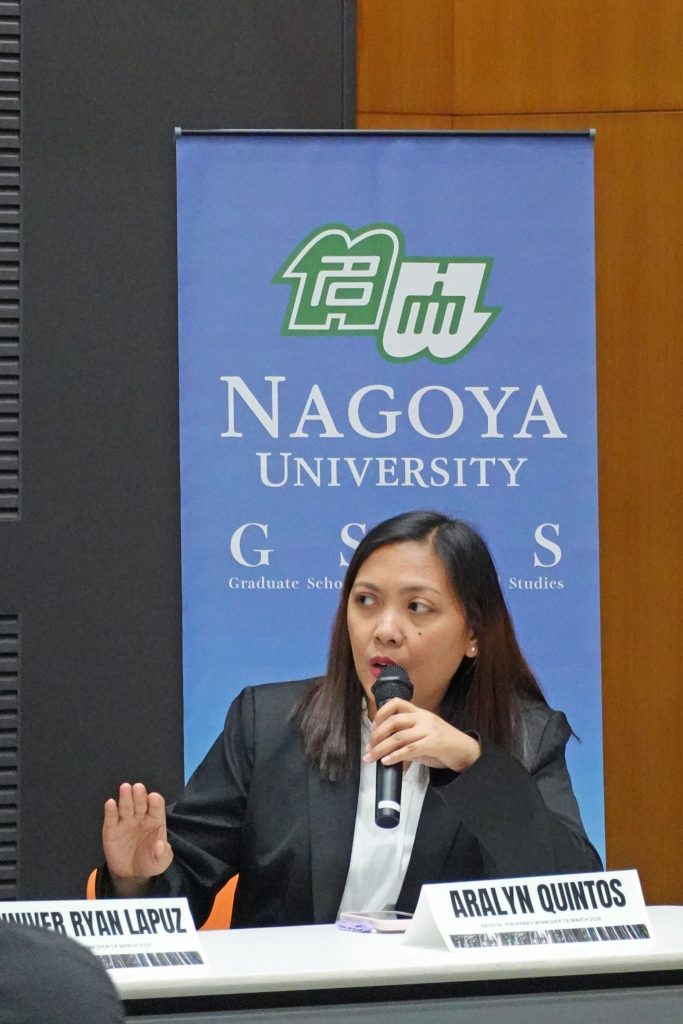
Ms. Aralyn Quintos of DOST-FPRDI presented their research on bamboo durability and thermal modification techniques, finding that thermally modified bamboo with polyurethane coatings showed superior durability compared to untreated bamboo. She also discussed the evolving bamboo industry in the Philippines, from traditional uses to modern applications in construction, furniture, and engineered bamboo products. The presentation concluded with an overview of the DOST-FPRDI’s R&D Roadmap for 2025-2032, focusing on transitioning from basic property evaluation to advanced industrial applications and establishing a circular bioeconomy.
The presentations were followed by a panel discussion moderated by Dr. Marianne Faith G. Martinico-Perez of the Asian Satellite Campuses Institute (ASCI) and GSES. The discussion underscored the challenges in bamboo sourcing and processing technologies, as well as the complementary strengths of Japan and the Philippines: Japan’s expertise in advanced technologies and material science, and the Philippines’ strong foundation in bamboo resources and applied research.
Several priority areas for collaboration were identified, including leveraging the advanced laboratory facilities and analytical techniques available at Nagoya University for the characterization of Philippine bamboo species; the joint development of low-cost, environmentally friendly adhesives for engineered bamboo; the design and transfer of affordable processing technologies and machinery; and collaborative research on life cycle assessment (LCA) and socio-economic impacts.
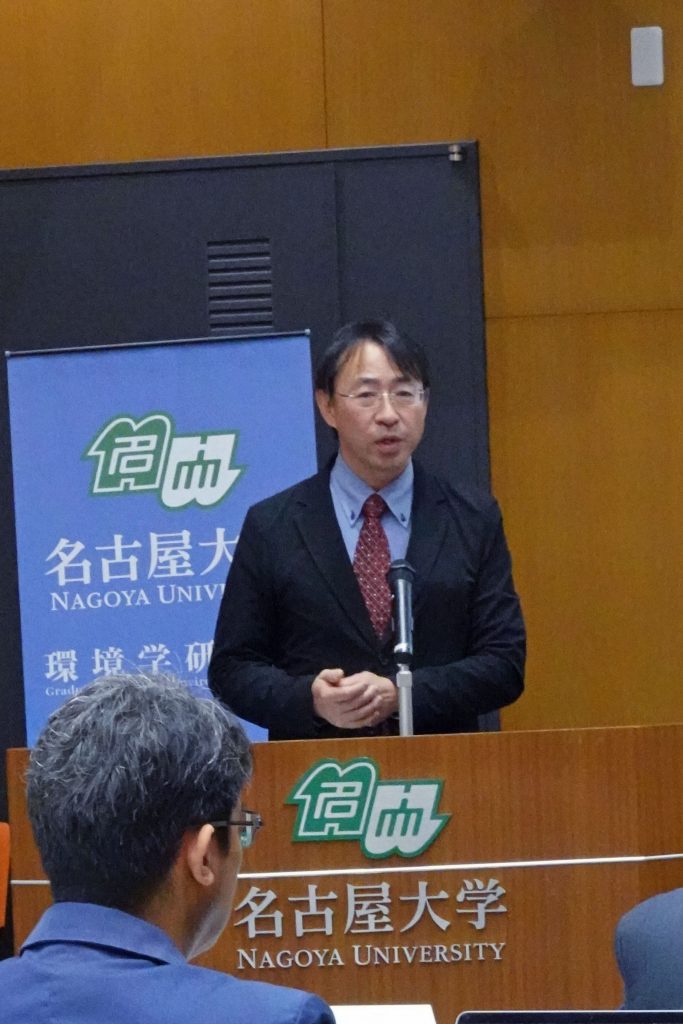
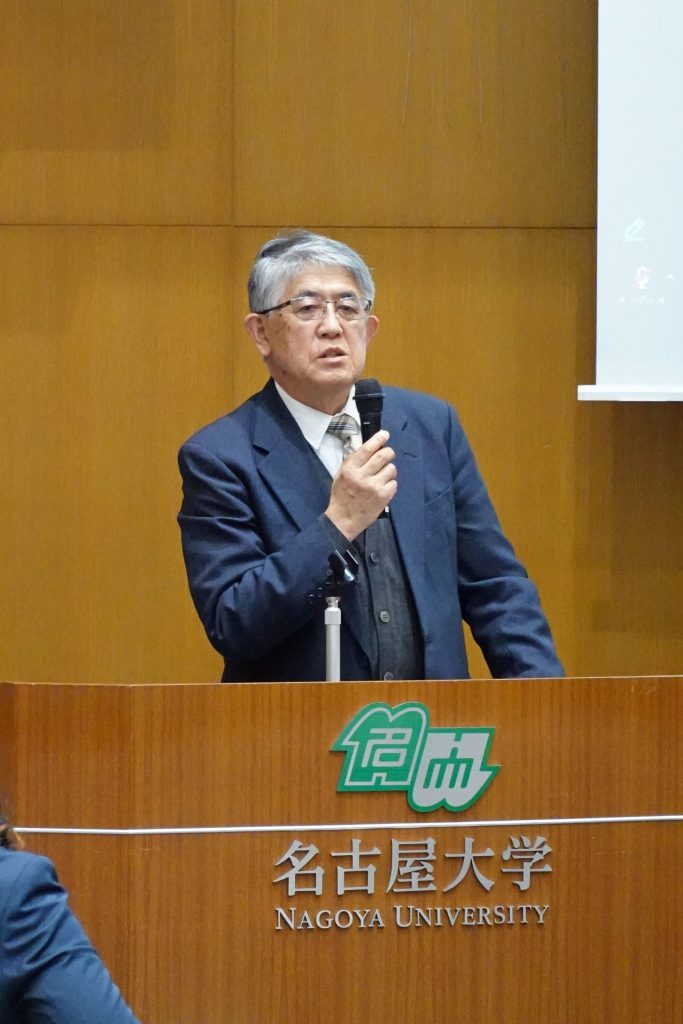
In his closing remarks, Professor Akira Yamauchi, Director of the Asian Collaborative Development Department of Nagoya University, emphasized the importance of sustained collaboration and expressed optimism about strengthening partnerships with Philippine institutions.
Field-based learning and technology demonstration
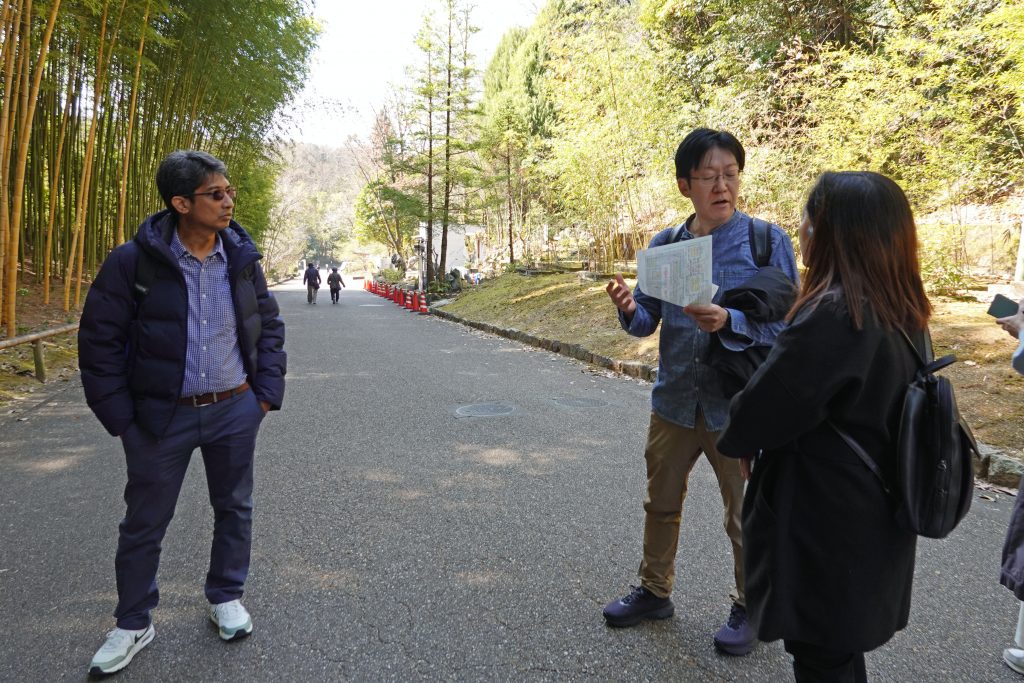
Session 2 was held on March 17 at the Higashiyama Zoo and Botanical Gardens for hands-on, field-based learning activities. The session showcased various bamboo species found in Japan and offered demonstrations on the application of advanced tools and methodologies, such as the use of LiDAR technologies for bamboo forest monitoring and non-destructive techniques for bamboo species characterization.
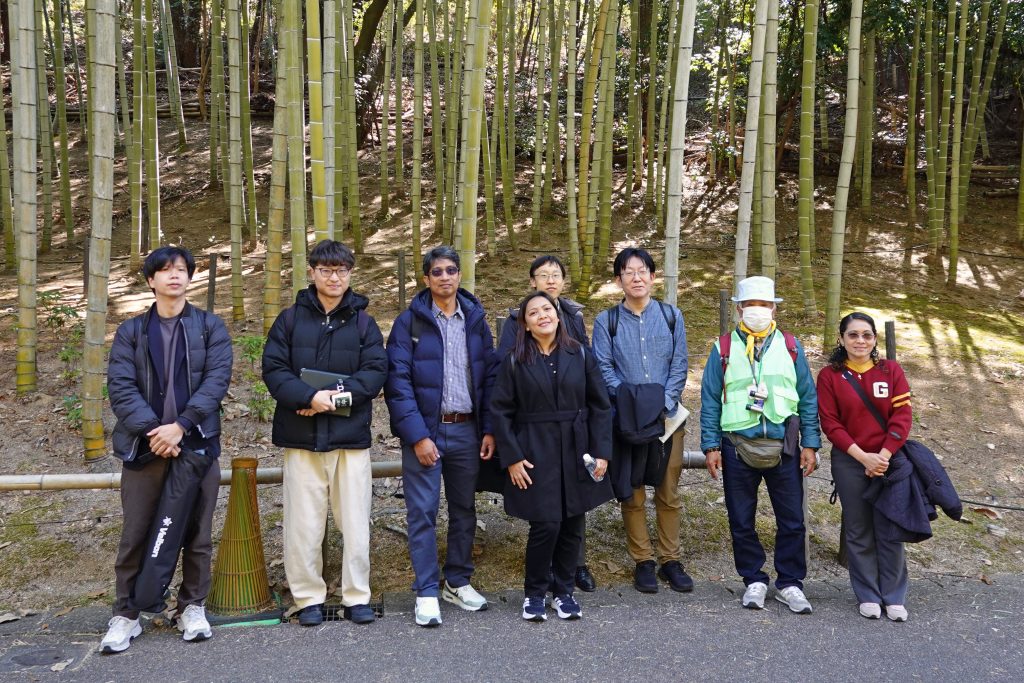
The workshop reaffirmed a shared commitment between Nagoya University and its Philippine partners to advance bamboo as a key resource for sustainable development, climate action, and inclusive economic growth through joint research, technology development, and capacity-building initiatives.
Researchers
-
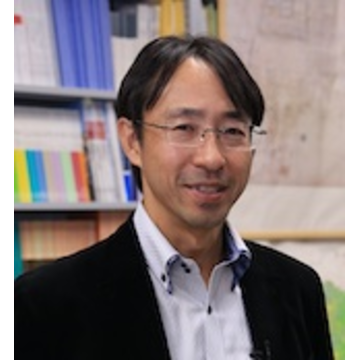 TANIKAWA HirokiGraduate School of Environmental Studies, Department of Environmental Engineering and Architecture, Material-Systems Science in Environment
 -
NAGAO MasahiroGraduate School of Environmental Studies, Department of Environmental Engineering and Architecture, Functional Materials and Environment
-
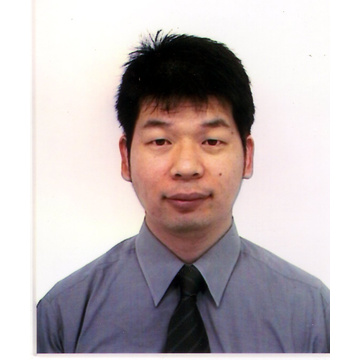 SHIRAKAWA HiroakiGraduate School of Environmental Studies, Department of Environmental Engineering and Architecture, Material-Systems Science in Environment
 -
MARTINICO-PEREZ Marianne Faith gauranAsian Satellite Campuses Institute, Division2