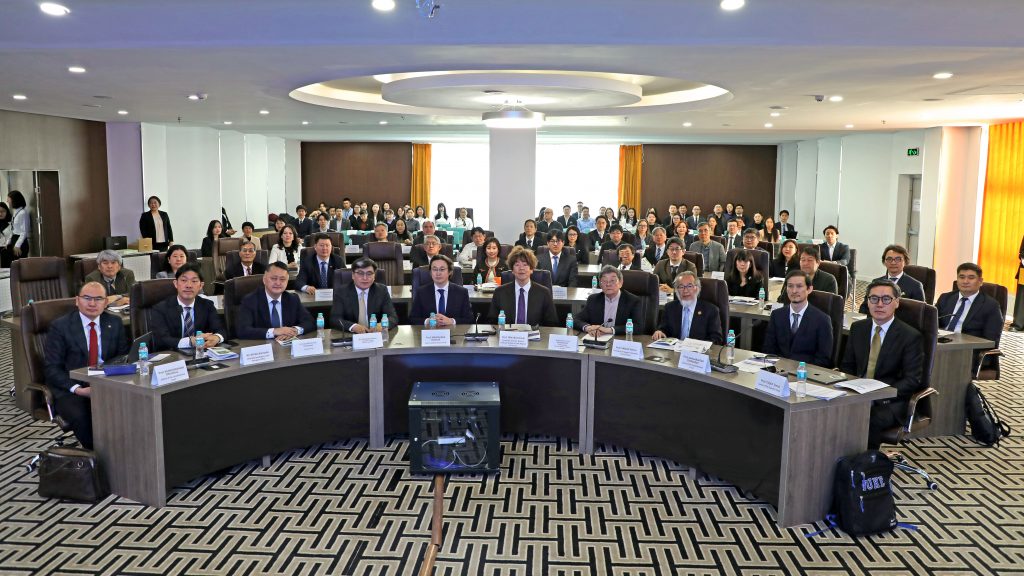
The event brought together scholars, alumni, and institutional leaders to celebrate the 25th anniversary of the exchange agreement between the Nagoya University Graduate School of Law and the National University of Mongolia School of Law, and the 20th anniversary of establishing the Research and Education Center for Japanese Law in Mongolia (CJLM)
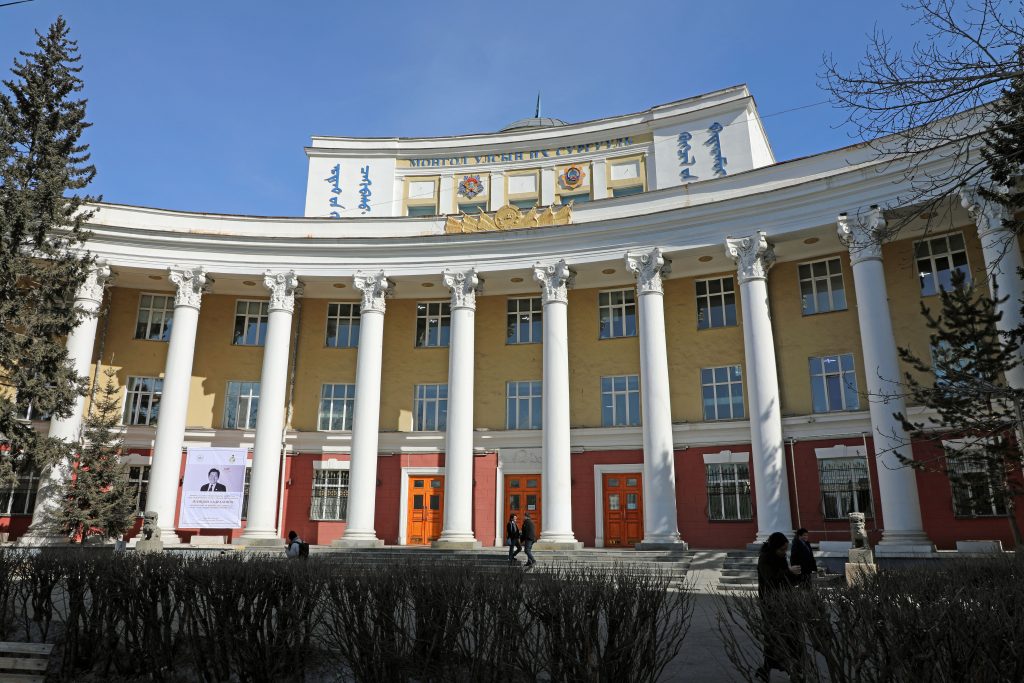
On March 20, 2026, the Graduate School of Law from Nagoya University and the School of Law from the National University of Mongolia (NUM) held a symposium in the Mongolian capital of Ulaanbaatar to celebrate an academic exchange begun in 2001. They also celebrated the 20th anniversary of establishing the Research and Education Center for Japanese Law in Mongolia (CJLM).
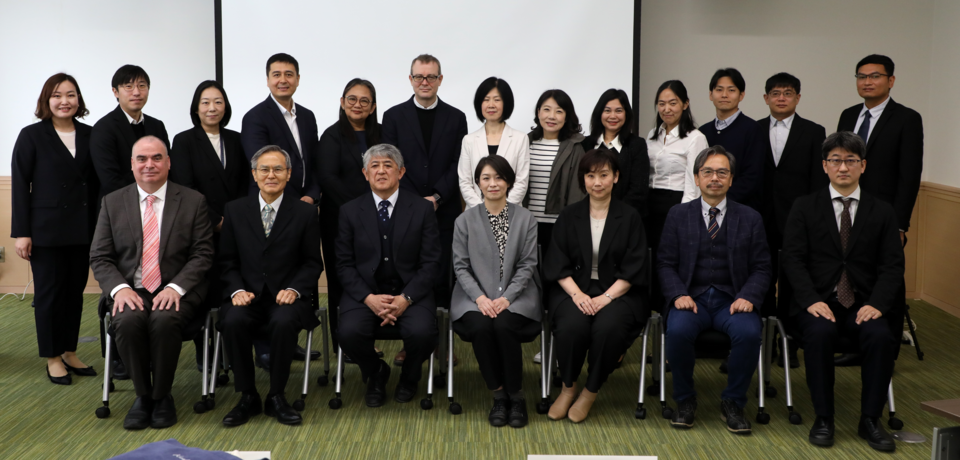
Several faculty members from the Nagoya University Graduate School of Law attended the ceremony, including the Vice Dean of the Graduate School of Law, Tetsuki Tamura; the Director of the Center for Asian Legal Exchange (CALE), Masako Murakami; and the Director of the Research and Education Center for Japanese Law (CJL), Yoh Matsuo. Also joining were several retired Nagoya University faculty members who have contributed to Nagoya University-Mongolia relations, including Haruo Saburi, now president of Nagoya University of Economics; Katsuya Ichihashi; Hajime Wada; Kazutaka Sugiura; and Saori Okuda.
Many speakers emphasized the close relationship between Nagoya University and the National University of Mongolia. Among them was legal scholar Professor Sodovsuren Narangerel. Not only is Narangerel Honorary Professor of NUM and Honorary Doctor of Nagoya University, in November 2025, Mongolia also bestowed upon him the “Chinggis Khaan” First Class order. He spoke about how the exchange agreement grew during his time as dean of the NUM School of Law around the year 2000. “During the first five years, we facilitated faculty exchanges and joint sessions between our universities,” Narangerel recalled. “This collaboration thrived because of the personal, engaging, and friendly relationships among the faculty members.”
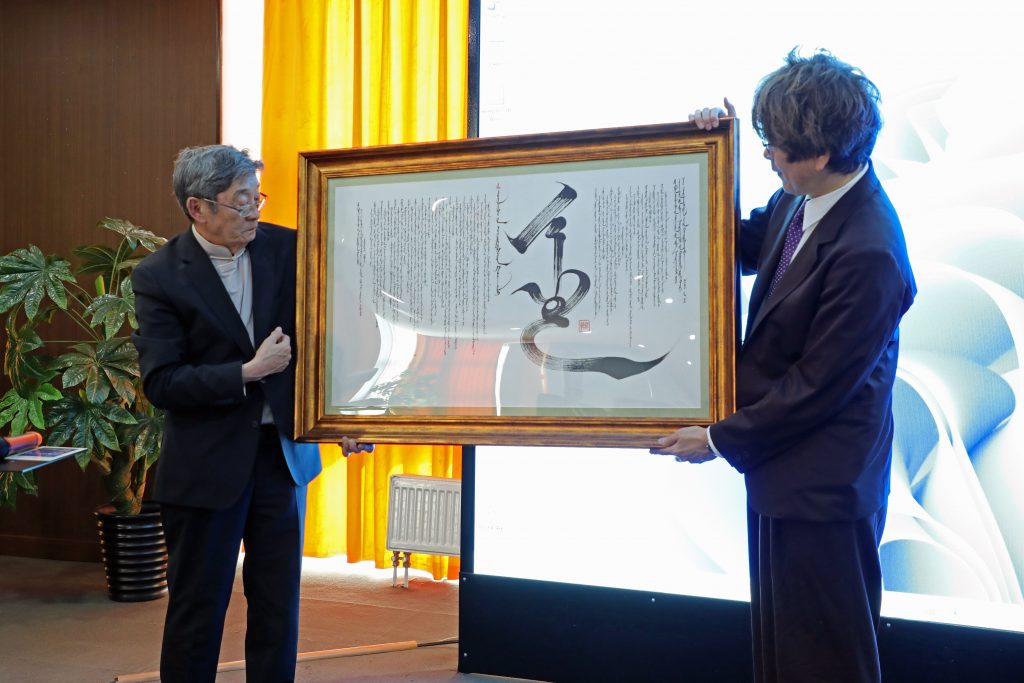
Narangerel described how discussions about the long-term sustainability of the program led to the decision to establish a permanent institutional home for the partnership. “Eventually, we agreed to establish the Center for Japanese Law within our faculty,” he said. Presenting Nagoya University with a Mongolian translation of Japan’s Constitution at the ceremony, Narangerel noted that Mongolia modeled its first constitution in the 1920s on Japan’s 1889 constitution.
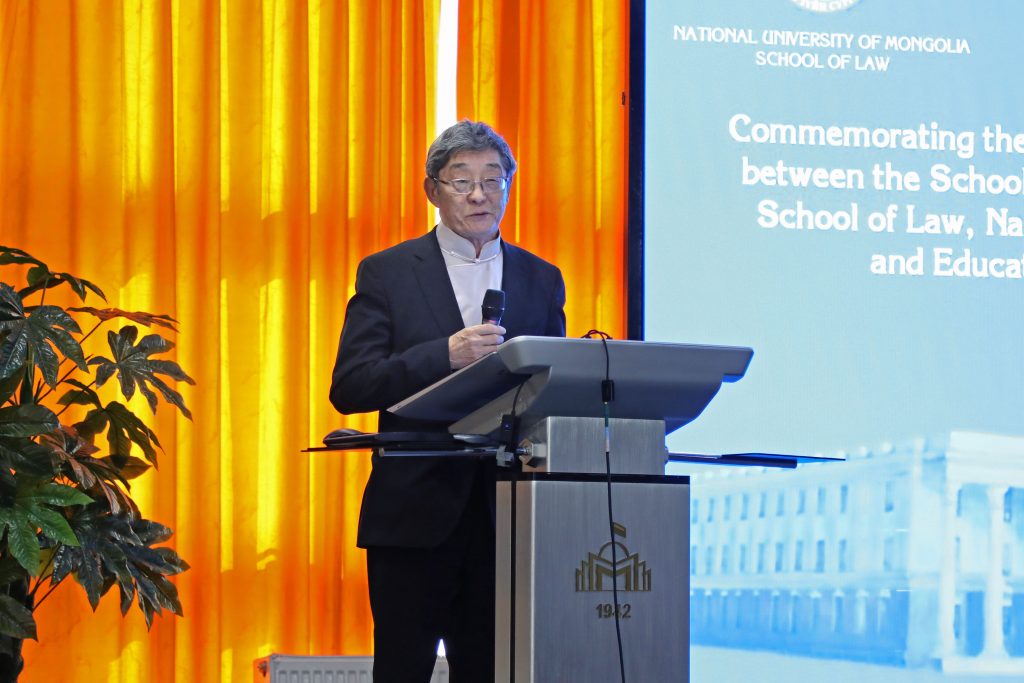
Vice Dean Tamura delivered remarks on behalf of the Graduate School of Law. Visiting Ulaanbaatar for the first time, he spoke about a partnership he has witnessed grow over decades and spoke about the many graduates from Nagoya University who continue to build bridges between Japan and Mongolia.
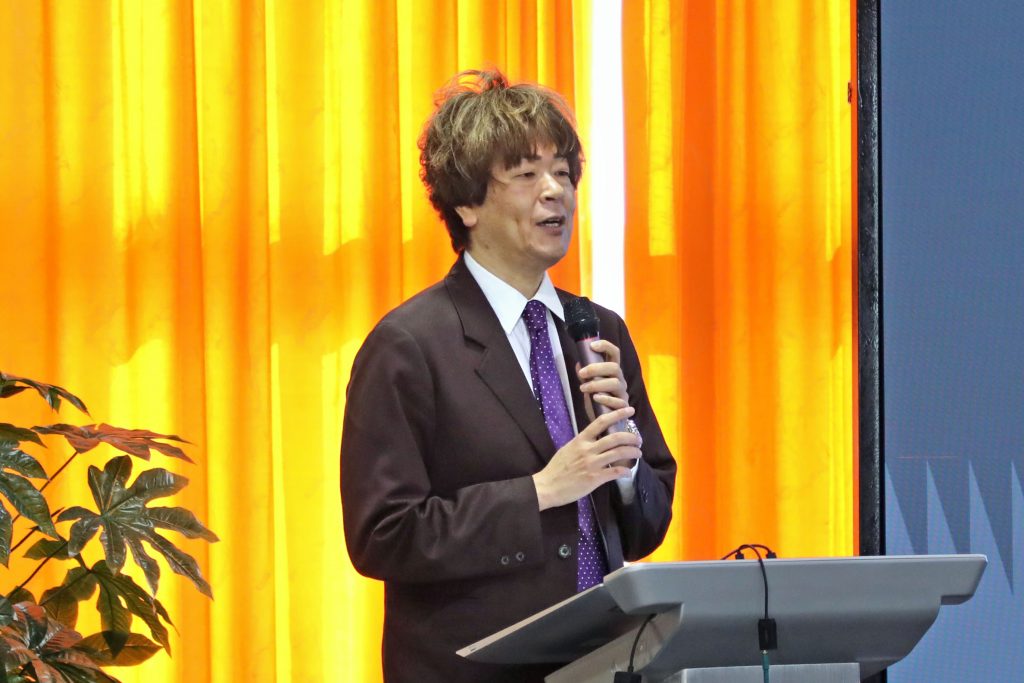
Dean Batbold Amarsanaa of the NUM School of Law explained further what the partnership has built. “We often discuss institutions, but what we’ve created here is a much deeper, genuine, human-level friendship,” he said. “It started with a bold step through faculty interactions and student exchanges and flourished with the establishment of the Center for Japanese Law in Mongolia. We moved beyond simple exchanges to sharing an academic mission.”
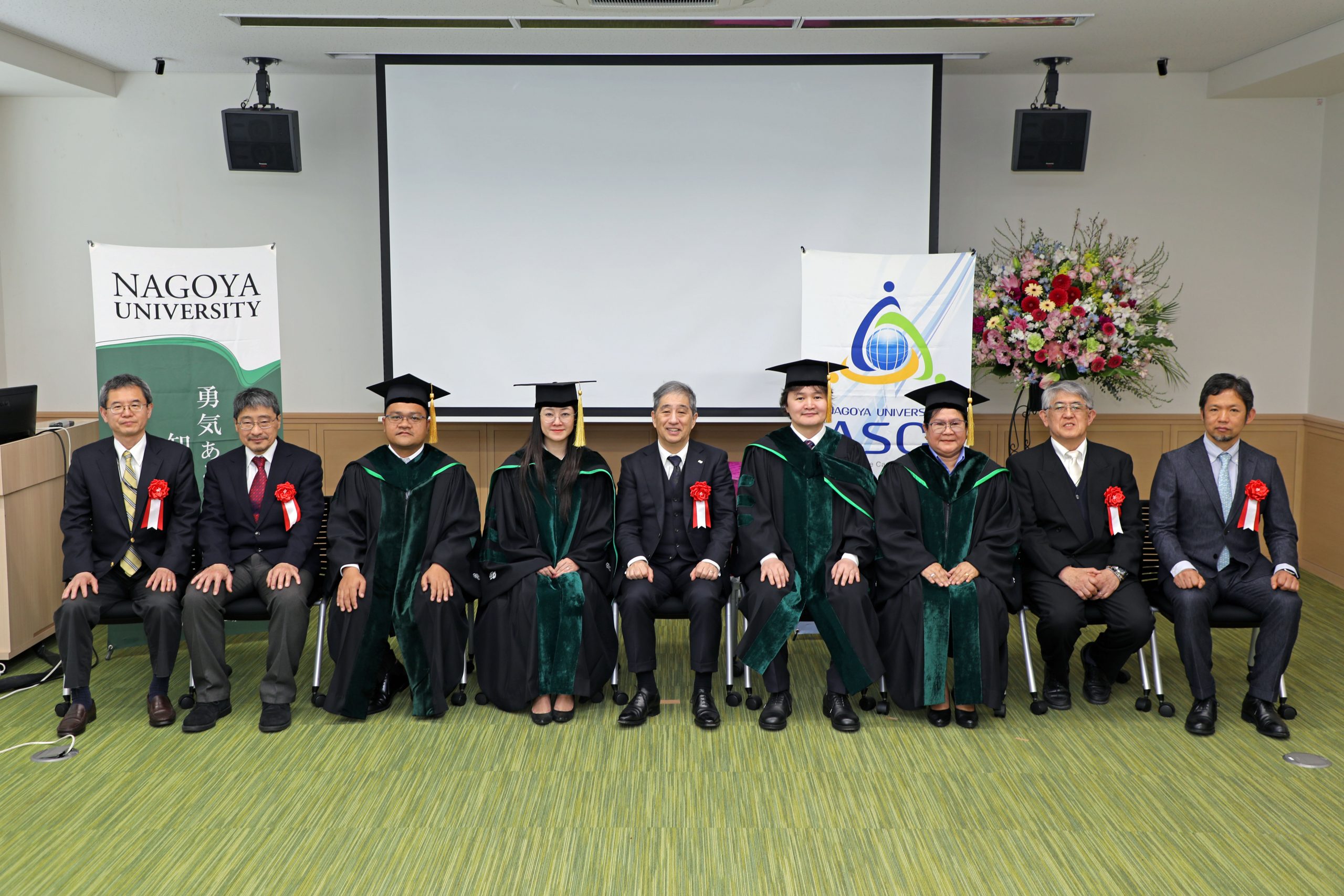
The partnership between the National University of Mongolia and Nagoya University deepened further through the Japanese Grant Aid for Human Resource Development Scholarship (JDS) programs offered by the Graduate School of Law and then later with the Asian Satellite Campuses Institute (ASCI) doctoral program. “Today, CJLM graduates are esteemed leaders in academic and legal circles,” Amarsanaa stated. He also noted the many NUM School of Law graduates who have returned to teach at their alma mater. “Many professors and lecturers are products of this bilateral tradition,” he said.
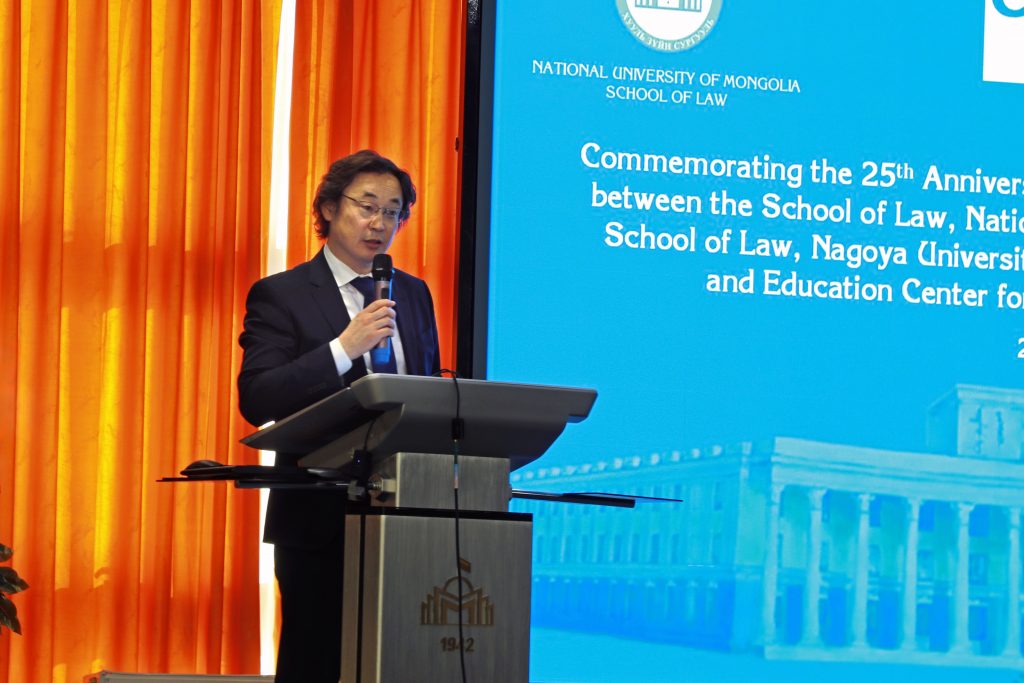
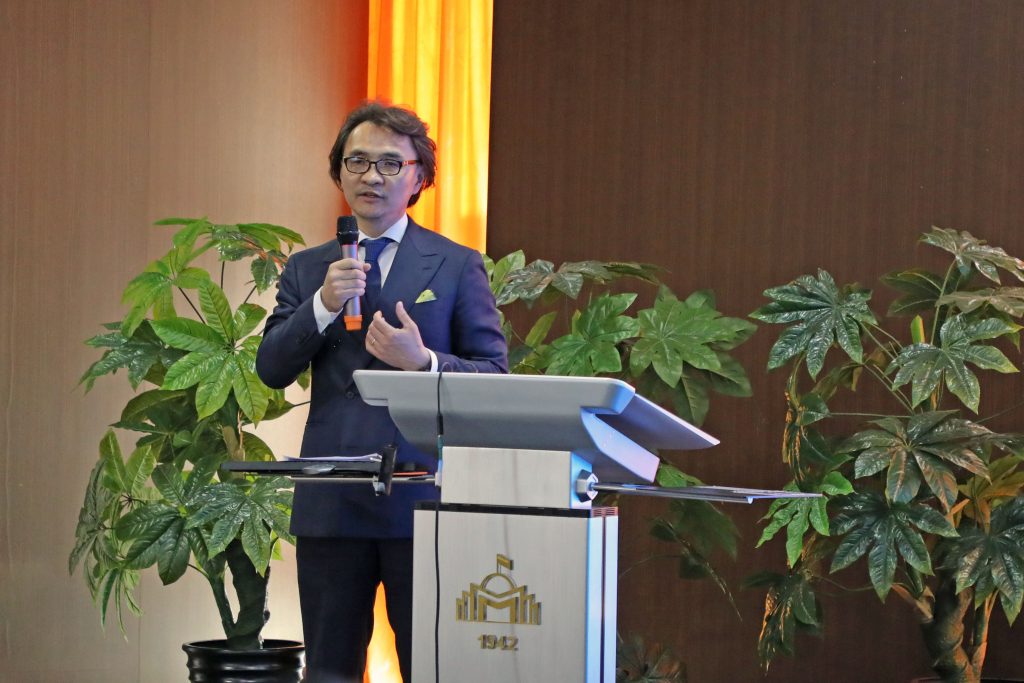
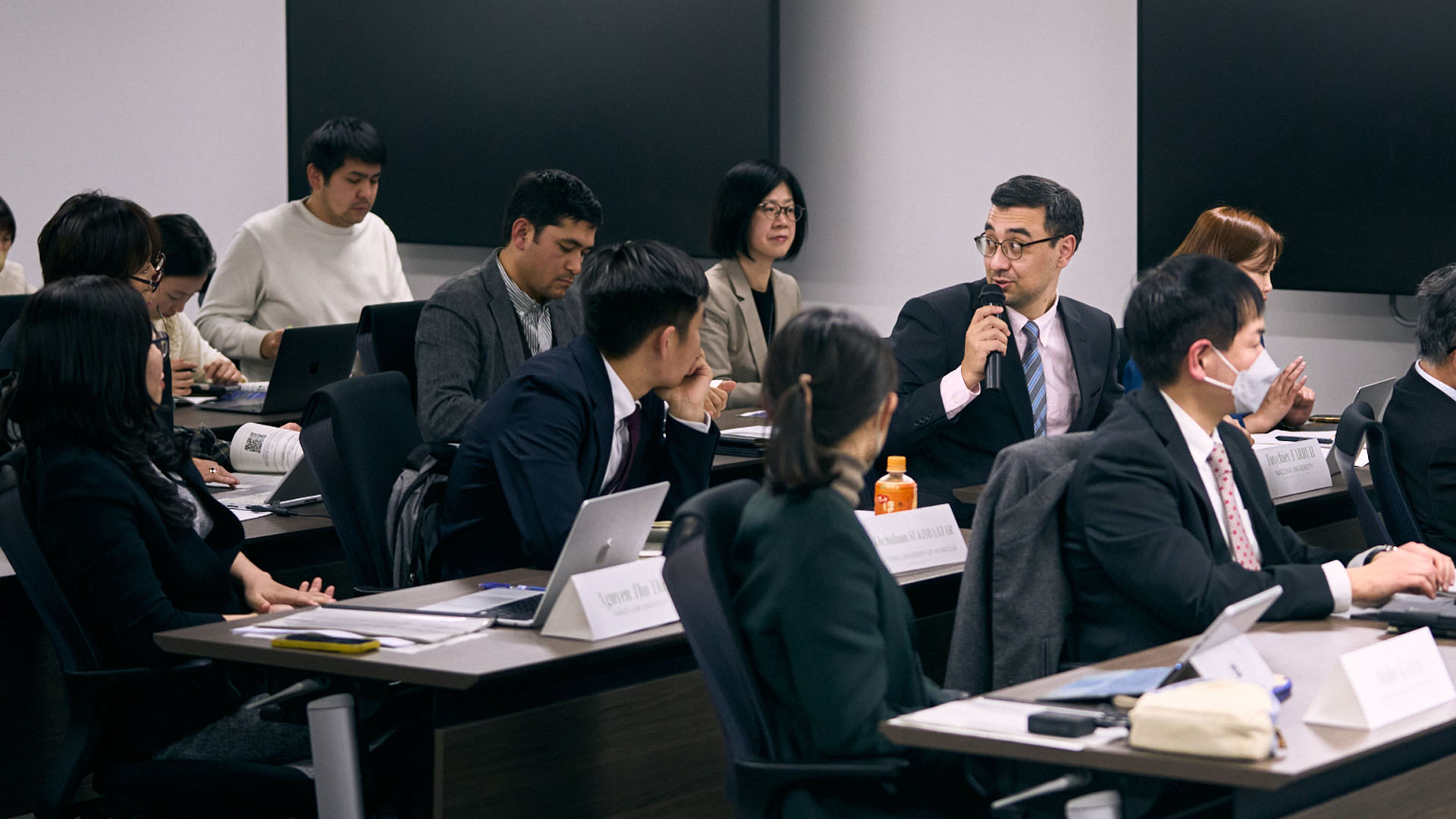
After the anniversary ceremonies, the NUM School of Law and Nagoya University organized the 6th Joint Symposium around the theme of “Fundamental Issues of Public and Private Law.” It included speakers from both Japan and Mongolia, with topics ranging from judicial control over administrative discretion to transaction security, challenges of private law, and corporate representation. A comment from a scholar from the other country followed each presentation. Notably, many Nagoya University alumni, who are now active researchers, engaged in discussions as peers with their former supervisors, seniors, and juniors. Faculty members from both universities also presented their research as peers, making this a valuable opportunity to appreciate the outcomes of 25 years of academic exchange.
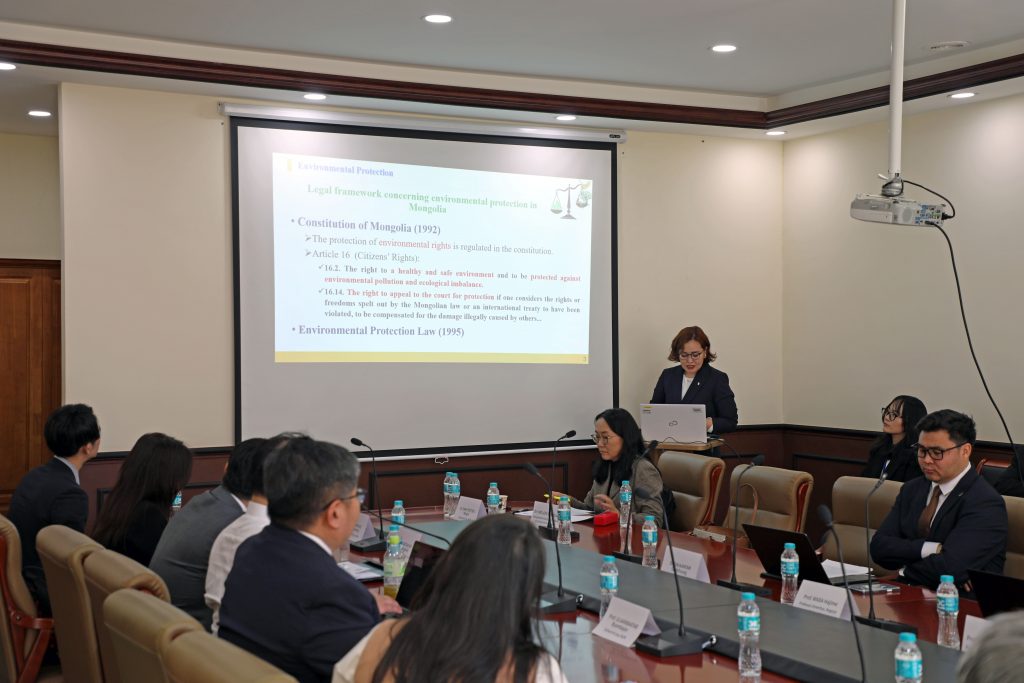
In the closing session, Dean Amarsanaa expressed his gratitude to all participants and outlined his vision for the partnership’s next chapter, noting, “Ultimately, the genuine success of this cooperation lies in its people. Let us not only reflect on what we have achieved but also look ahead to new frontiers together.”
Lastly, CALE Director Murakami emphasized that faculty members and alumni of both universities should take leadership in collaborating with universities and research institutions in Asia to conduct international joint research, highlighting strong expectations for shaping mutual growth.