Interview and text: Megumi Maruyama (URA, Planning and Project Development Division, Academic Research & Industry-Academia-Government Collaboration)
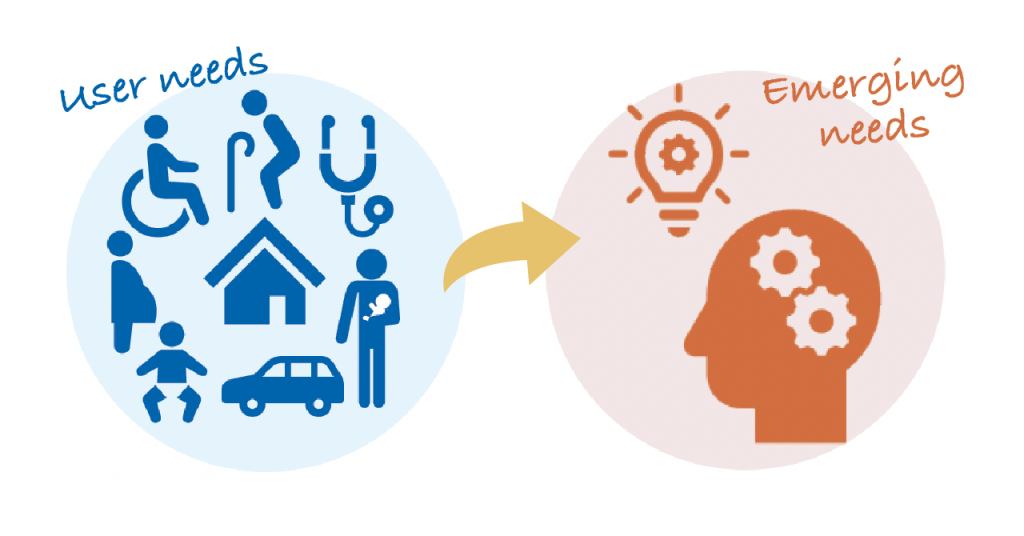
In recent years, some industry–academia collaborations have shifted their focus from applying existing technologies to exploring a more fundamental question: what kind of value should be created?
While such open-ended projects may sound flexible and creative, they rely in practice on careful coordination, negotiation, and sustained effort behind the scenes.
From different professional standpoints, Hideki Ohira, Professor of Cognitive Science, and Ryuichi Nakajima, Lead Research Administrator, have been working together on precisely this kind of collaboration. By tracing the six-year trajectory of their joint project, this article explores whether industry–academia collaboration can succeed when the goal itself is still being defined.
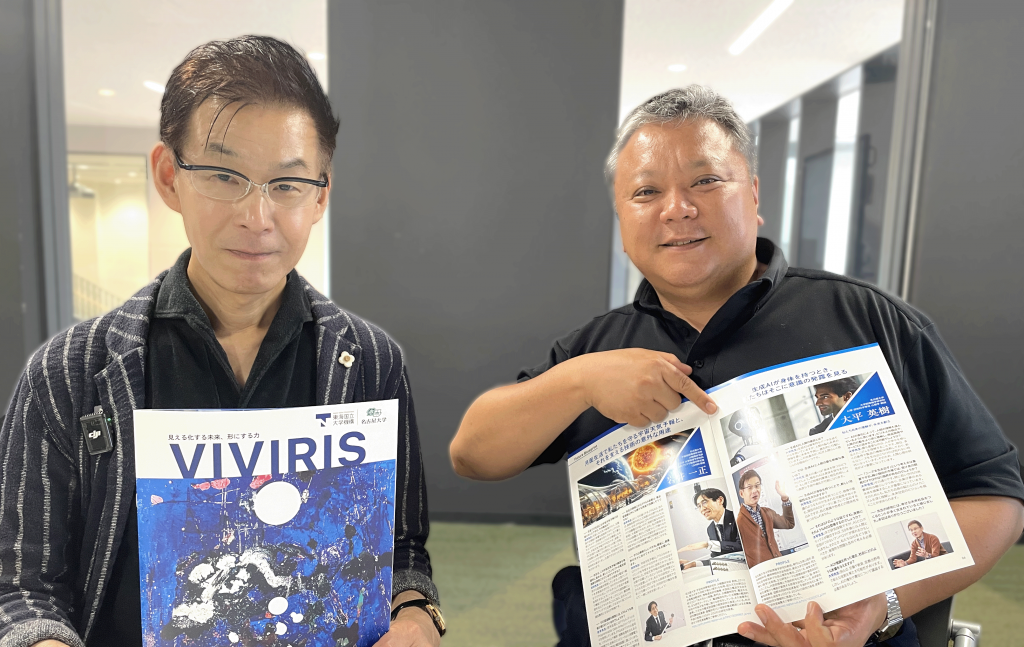
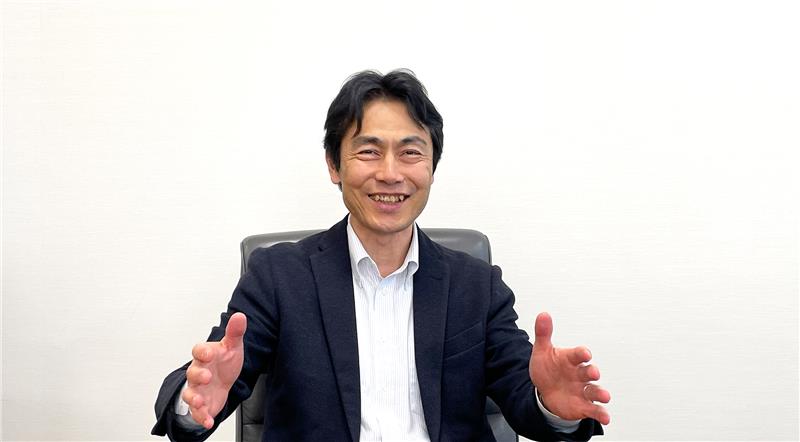
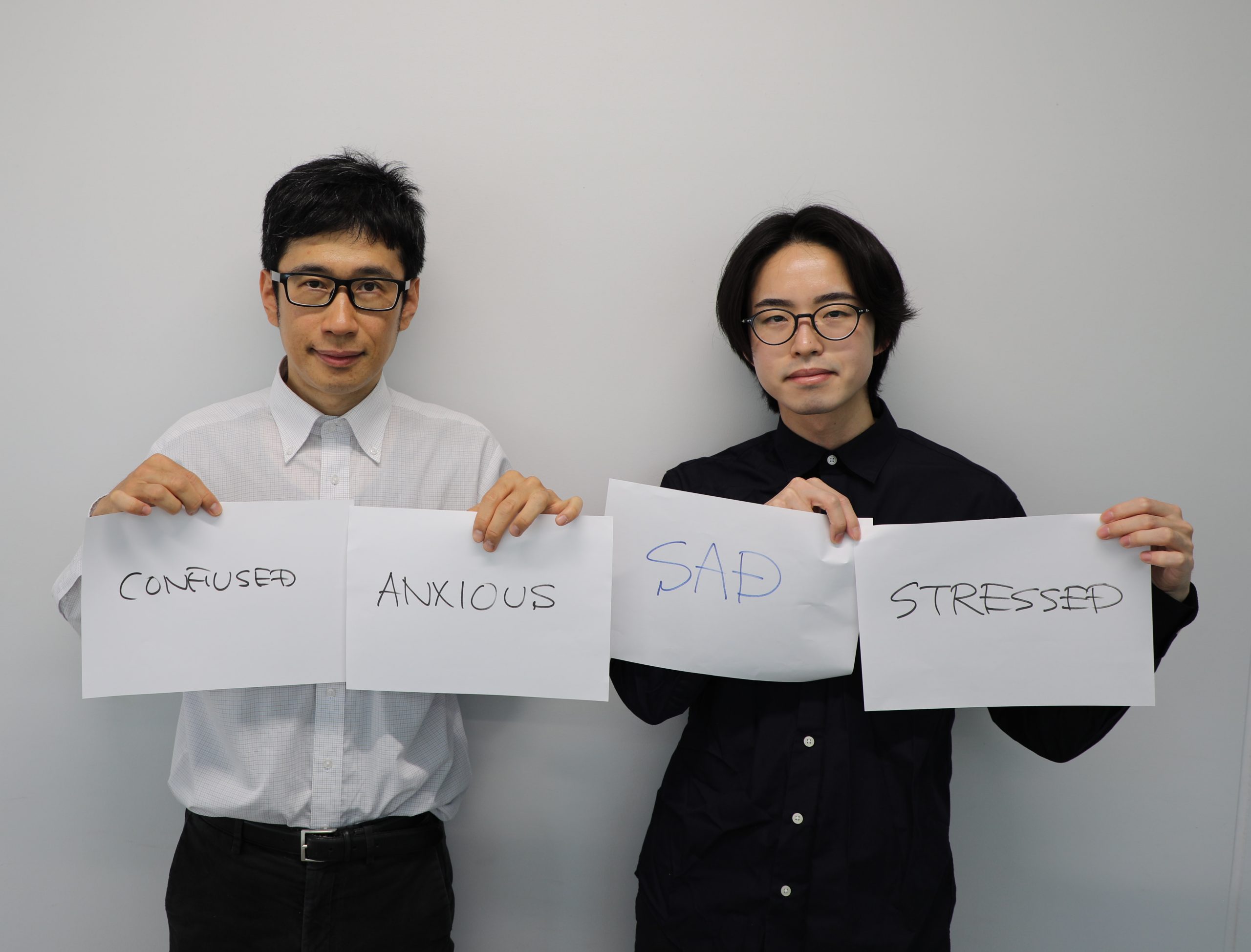
Hideki Ohira, Professor (Left)
Graduate School of Informatics
A specialist in psychology and cognitive science, Ohira studies the mechanisms of emotion regulation and decision-making. He is actively engaged in both academic research and industry–academia collaboration.
Ryuichi Nakajima, Lead Research Administrator (Right)
Industry-Academia Collaboration & International Strategy Division, Academic Research & Industry-Academia-Government Collaboration
Drawing on nearly two decades of experience in neuroscience research, Nakajima supports large-scale industry–academia collaborative projects and the creation of new partnerships, including international collaborations.
── Could you tell us about the industry–academia project you are working on?
Nakajima: The project began in 2020, following a request from the company side. Professor Ohira serves as the principal investigator, and I joined in 2021, taking over from a predecessor. Although driven by corporate needs, the project starts from basic research.
Ohira: Many industry–academia collaborations begin with a clearly defined goal or value. This project is different—we are exploring how value itself can be created. At first, it felt like trying to grasp clouds.
── How did you feel when the project started?
Ohira: There was no clear approach, but I found it interesting.
Nakajima: I was a bit overwhelmed. I had just become a university research administrator (URA), and the philosophical theme made it hard to see the overall picture. Still, my interest in how knowledge is created within organizations kept me engaged.
── Who is involved in the project?
Nakajima: On the Nagoya University side, the team includes around ten researchers from cognitive psychology, medicine, and information science.
Ohira: On the company side, many members have engineering backgrounds and a producer mindset. They bring originality and ideas to the project.
── How do you divide your roles?
Ohira: I oversee the project as a whole, keeping both short-term actions and mid- to long-term vision in mind.
Nakajima: I handle coordination with the company, negotiations over research funding, and practical tasks such as setting agendas for regular meetings, facilitating discussions, and summarizing outcomes afterward.
── Are there any principles you keep in mind when moving the project forward?
Ohira: The project brings together three units—psychology, information science, and neuroscience—with different expertise and cultures. To keep discussions on track, we set step-by-step goals for each year.
Nakajima: Professor Ohira pays close attention to the team atmosphere, and when discussions stall, he decisively redirects them.
Ohira: That comes from past failures (laughs). Projects often fall apart not because of the research itself, but because of communication issues within the team.
Nakajima: Early on, I tended to think in an incremental, researcher-oriented way, which sometimes caused discussions to scatter. After my supervisor suggested backcasting, I began clarifying the goal first and planning from there.
── This is a long-term project. How do you approach negotiations over research funding?
Nakajima: We renew the agreement annually and hold discussions with the company each year. There is always a certain level of tension in the process.
Ohira: Each year, the project is expected to show something new—doing the same thing as the year before is not enough. Although we have been able to secure funding continuously, it is never easy, and budgets may be adjusted depending on the content. In that context, Nakajima’s role in negotiating with the company has been essential.
Nakajima: That is largely thanks to the researchers, who carefully organize their research costs on an actual-expense basis. Clear explanations help the company understand and agree to the proposed budget.
Ohira: We also stay attentive to concerns within the research team and help frame difficult requests as opportunities for future outcomes or funding.
── It sounds like negotiation and coordination require not only expertise, but also a deep understanding of research. How does a URA’s research background come into play?
Nakajima: Having spent many years in academia allows me to empathize with how researchers think, which is a major strength in my role.
Ohira: Because our research fields are relatively close, we can quickly build shared understanding when discussing proposals or interpreting data.
Nakajima: At the same time, the roles of researchers and URAs are different. Finding the right balance—how far to step in—has taken trial and error, and I’ve learned it through experience.
Ohira: The scope of a URA’s role varies widely. In Europe, I saw URA-like professionals deeply involved from the research design stage, even leading funding proposals, and I think such models could become more common.
── That suggests a new value for URAs.
Nakajima: Absolutely. Sometimes URAs support researchers; at other times, we explore together. Creating more informal spaces where researchers and URAs can interact freely may open the door to the next step.
No industry–academia collaboration moves smoothly from start to finish, especially when the goal is to explore new value. This article presents one project that is steadily moving forward and highlights insights relevant to industry–academia collaboration as a whole.