Interview and text: Megumi Maruyama (URA, Planning and Project Development Division, Academic Research & Industry-Academia-Government Collaboration)

Launching a startup creates momentum—but sustaining it is another challenge altogether. The real work of bringing research into society often begins after the company is founded.
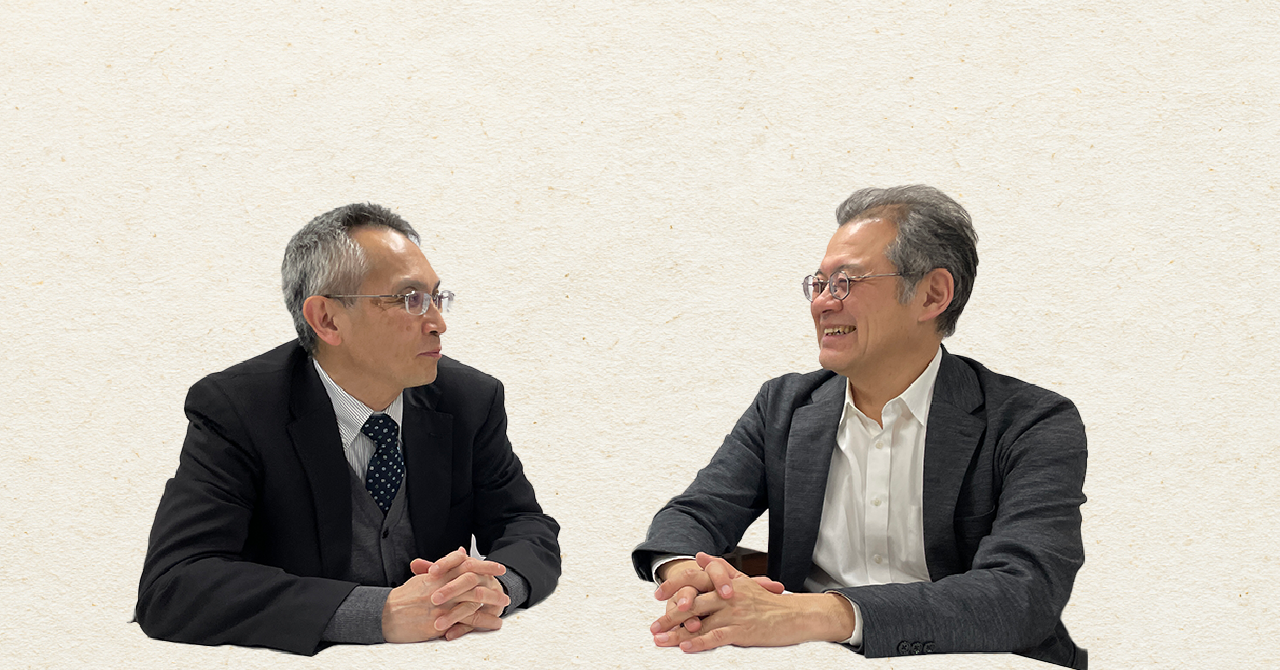
In 2022, Dr. Toshihira Irisawa (associate professor at Gifu University and researcher at the Nagoya University Institutes of Innovation for Future Society) founded fff fortississimo, a startup rooted in his research on carbon fiber and polymer materials. Working closely alongside him has been Ichiro Oda, Lead Research Administrator, who has supported Irisawa’s journey as a startup founder.
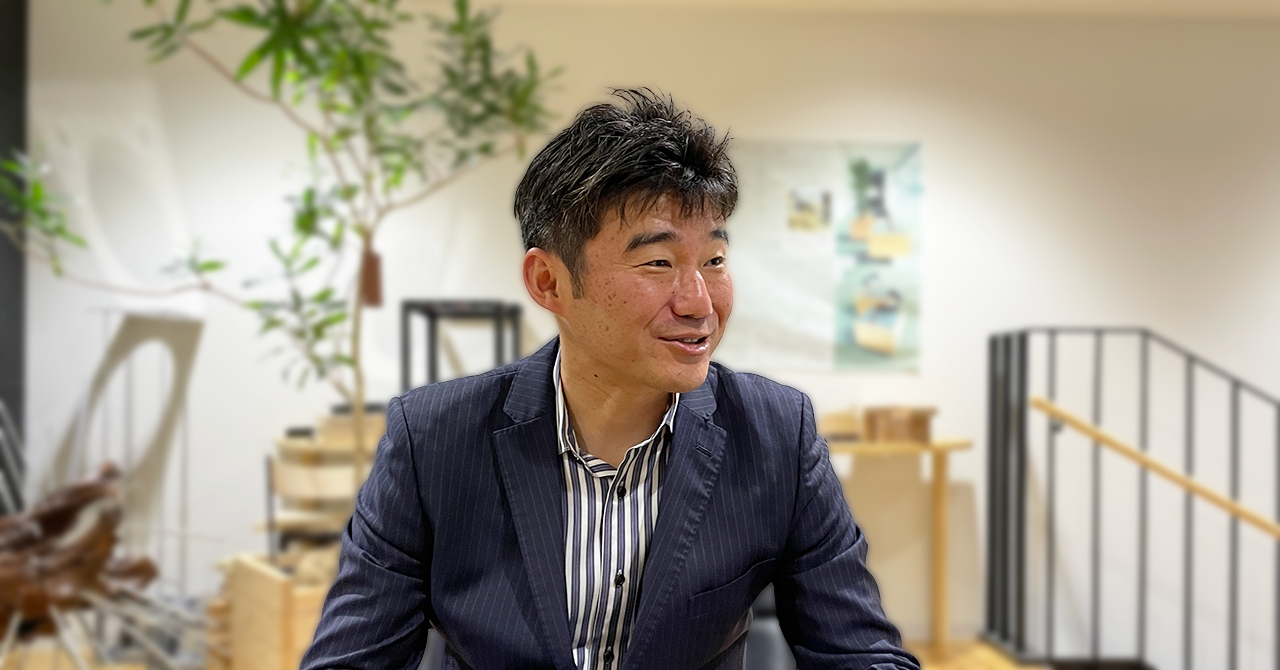
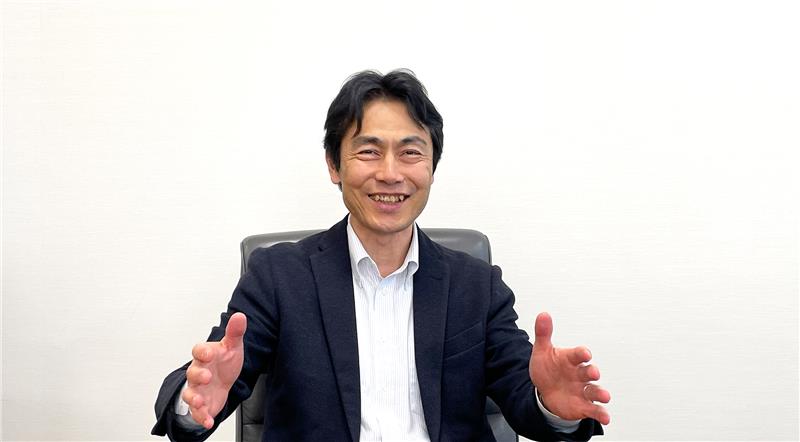
President & CEO, fff fortississimo Inc.|Faculty of Engineering, Gifu University|Graduate School of Engineering and Institute of Innovation for Future Society, Nagoya University
Irisawa first aspired to entrepreneurship as a student, when he attempted to develop biodegradable plastics as an alternative to supermarket shopping bags—an idea well ahead of its time. That early experience laid the groundwork for his current challenge as a startup founder.
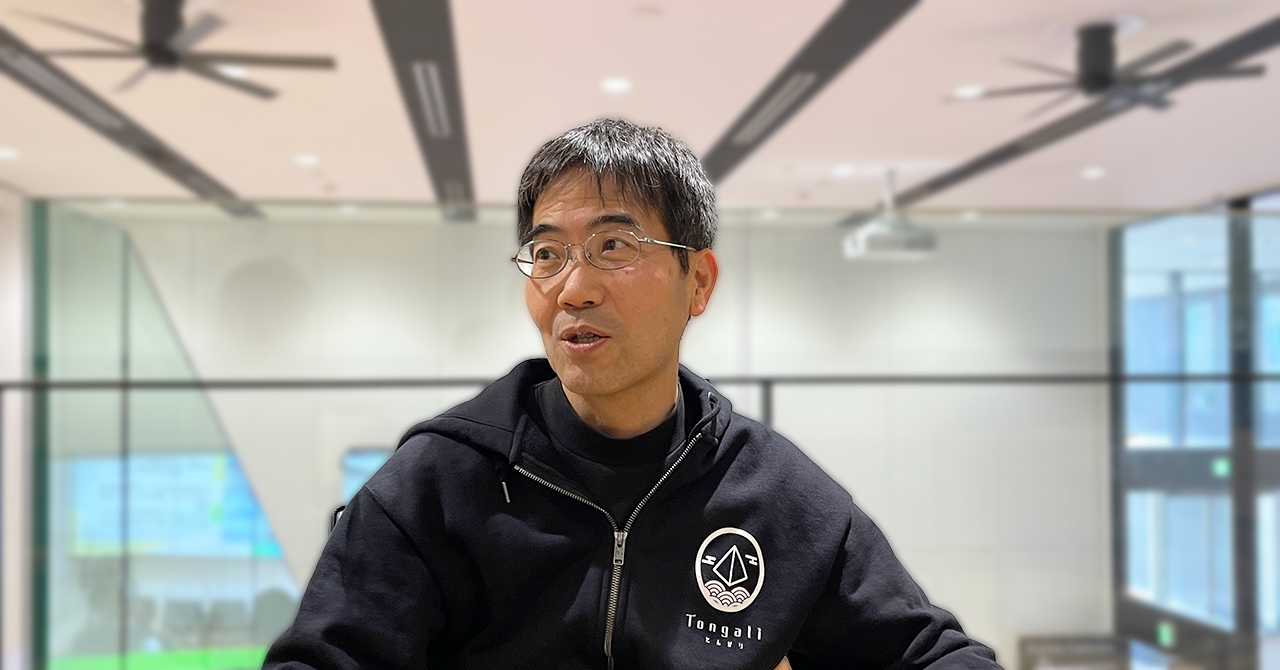
Startup Promotion Office, Academic Research & Industry-Academia-Government Collaboration
On assignment from Nagoya Bank, Oda is currently in his fifth year at Nagoya University. With a background in finance and corporate practice, he takes a pragmatic, opportunity-oriented approach to startup support. Born in Hiroshima, he is—unexpectedly—an ardent Chunichi Dragons fan.
Startup support can be hard to grasp. How far do institutional programs reach—and how are gaps filled when systems fall short? This conversation traces how that support actually works.
── What led you to start fff fortississimo?
Irisawa: I often saw technologies developed with companies fail to reach commercialization. I started to think, “It would be faster if we did this ourselves.” So I decided to launch a university startup to bring our tennis strings to market.
── When I first heard the company name, I thought it sounded musical. Was that intentional?
Irisawa: I hear that a lot. Fortississimo is a musical term meaning “very strong,” and the idea of strength and forward motion really fit what we wanted to do. The name also connects to Future Fiber Factory (FFF), a carbon fiber manufacturing hub at Gifu University.
── How did the support around your startup begin?
Irisawa: It began around 2021, when we were selected for the GAP Fund. After a staff change, Mr. Oda took over and helped connect us with advisors, companies, and fundraising opportunities.
Oda: I had just started at Nagoya University then. From our early conversations, I could tell right away that Dr. Irisawa was serious about building a startup.
── What was it like after you launched the company?
Irisawa: The first year was tough. Support before founding—like the GAP Fund—was very generous, and I was grateful for that. But after launching the company, we quickly ran into funding limits. Many startups begin with 10 million yen in capital, and it runs out faster than you expect—making even basic investments, like equipment, difficult.
── So there was a kind of “gap” in support after founding.
Irisawa: Exactly. After founding, many grants require matching funds, which means you have to pay a significant portion upfront. For startups trying to stay financially cautious, that can feel risky—almost like taking on debt.
── In that situation, how did you support him?
Oda: My role is not to focus on technical details, but to connect people to opportunities for growth. When I see someone with strong momentum like Dr. Irisawa, I try to accelerate that by linking them to the right programs and people. In 2024, I encouraged him to apply to 1stRound, a startup growth support program that offers funding and mentoring.
Irisawa: That’s right. I applied because Mr. Oda recommended it, and we were accepted. The funding mattered, but the mentoring has been especially valuable. With monthly sessions, ideas that were once overlooked are now taken seriously, and things are moving in a much better direction.
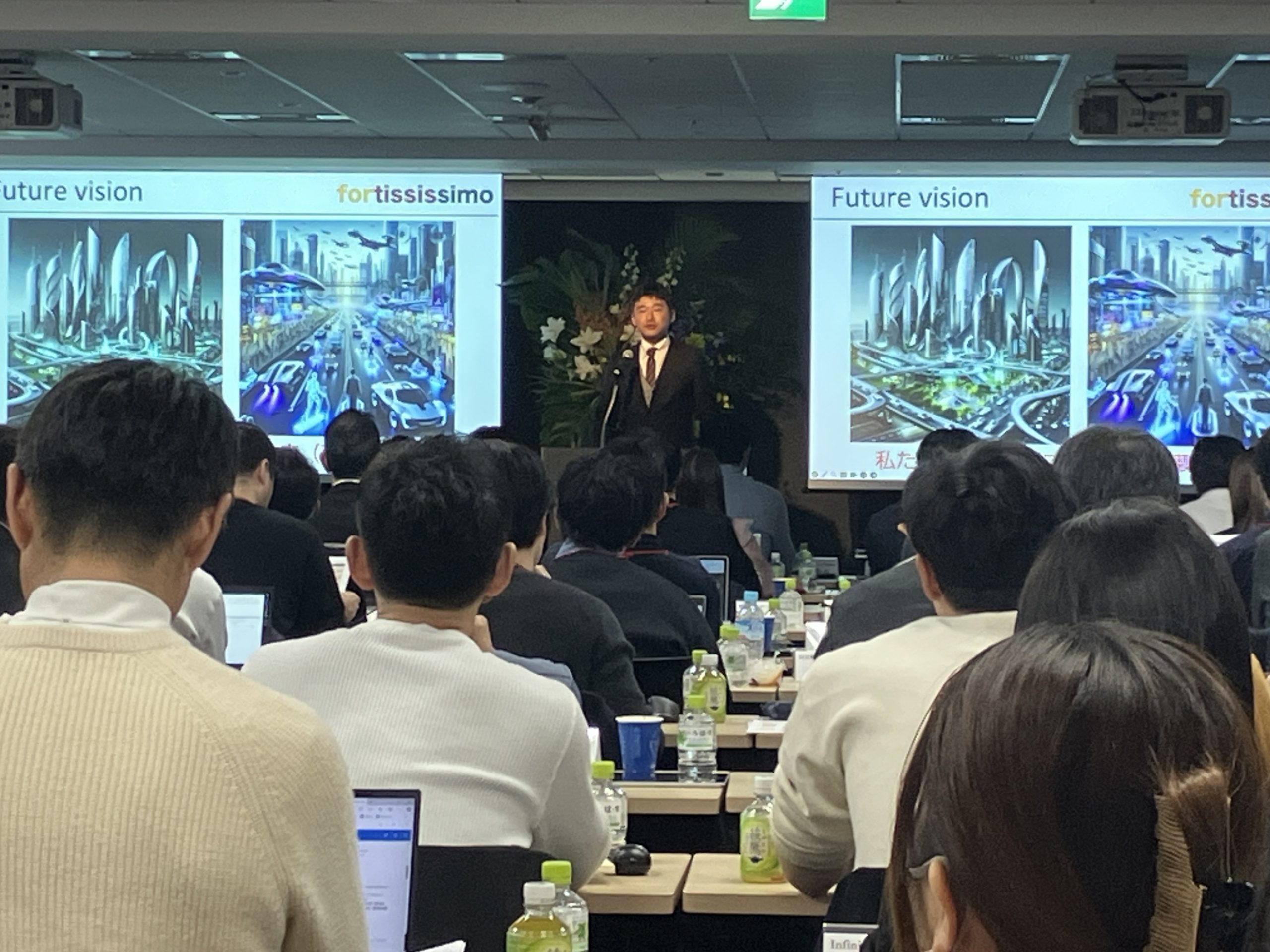
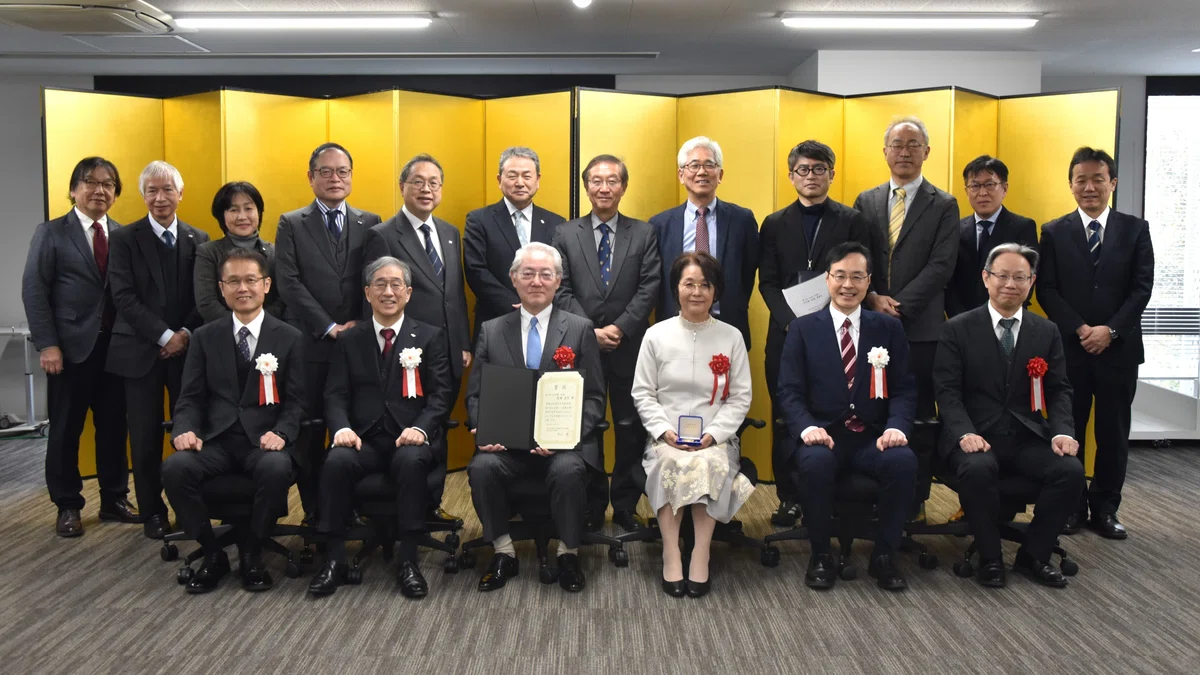
Out of approximately 370 applications, only eight were selected—an acceptance rate of about 2%.
── What I’m hearing is that the support has become a continuous line, not just isolated points.
Irisawa: Absolutely. From the beginning, I planned the business in three stages: HOP, STEP, and JUMP. HOP focuses on building a stable base with tennis string products. STEP expands into multiple applications and carbon fiber businesses. JUMP aims for an IPO by 2030. Things are progressing as planned, and I feel we are now entering the JUMP phase.
Oda: When I first saw the plan, I honestly thought it was a stretch. At the time Dr. Irisawa founded the company, most support programs only covered the HOP stage—the initial step of getting a startup off the ground.
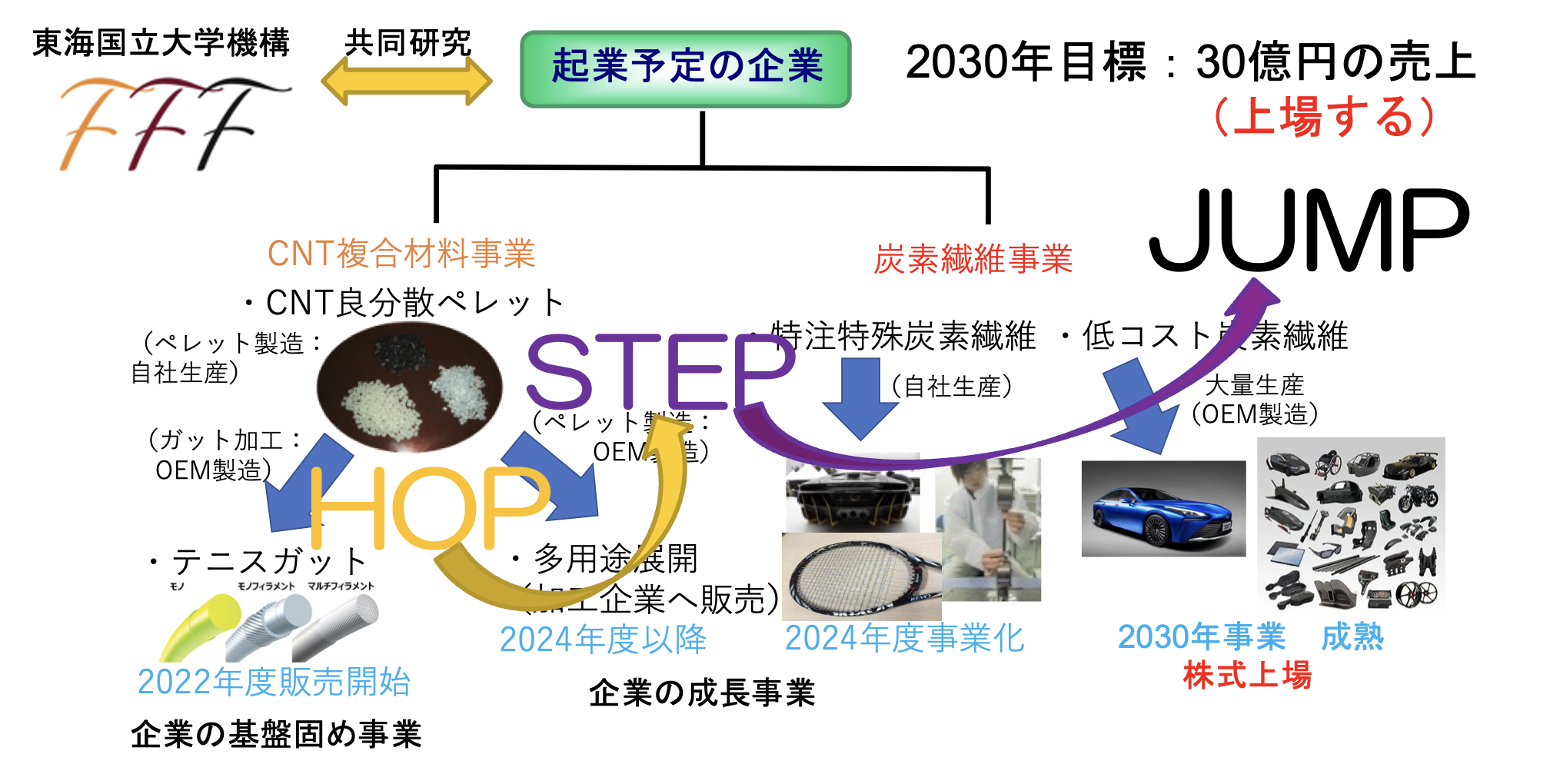
The plan is structured around three growth stages—HOP, STEP, and JUMP—from establishing a core business with tennis strings, to expanding into carbon fiber applications, and ultimately aiming for an IPO around 2030.
── Looking back, what kind of support system would you have wanted at that time?
Irisawa: Just one more push after founding—especially financial support in the first year—would have made a big difference.
Oda: That was a common challenge at the time. Recently, support has expanded to cover the post-founding phase—for example, GAP Fund Step 2 for R&D after launch, as well as cross-institutional support through the Startup Promotion Office, Tongali, and university-affiliated venture capital initiatives.
── What would you like to say to researchers considering a startup?
Irisawa: Starting a company is tougher and quieter than it may look from the outside. But if you are clear about what you want to do, you can get through it. Support systems matter, of course, but just as important is having people who are willing to move forward with you.
Oda: I see my role as supporting researchers who want to keep challenging themselves. When I feel that someone is serious about moving forward, I will do everything I can to connect them with the right opportunities.