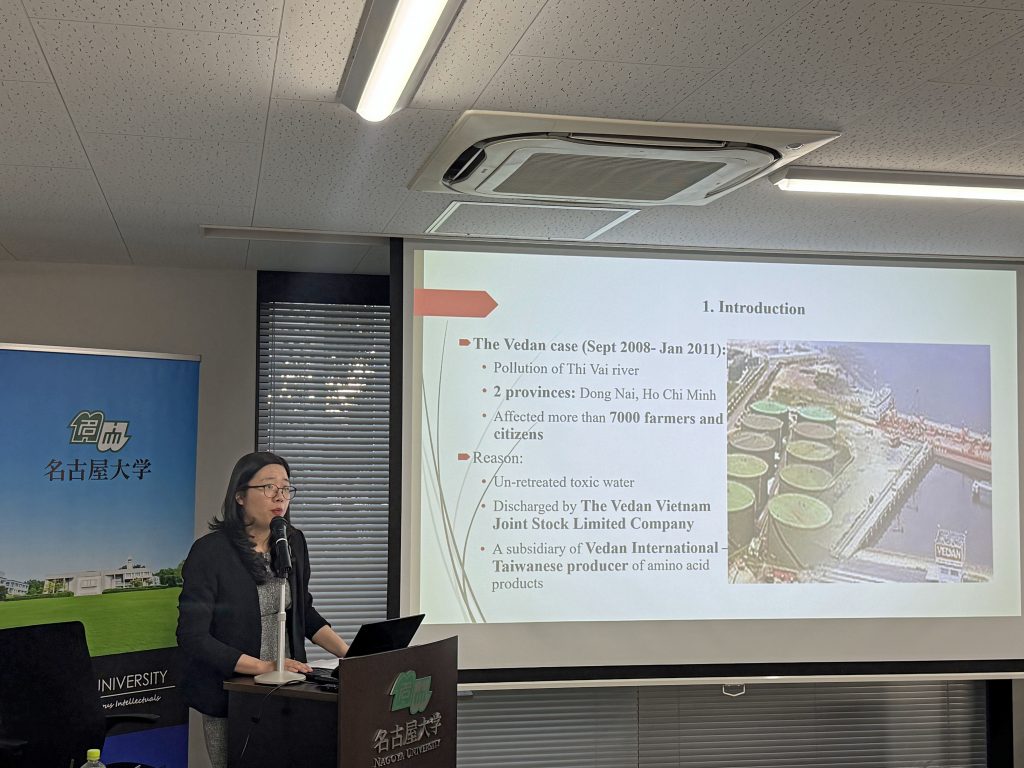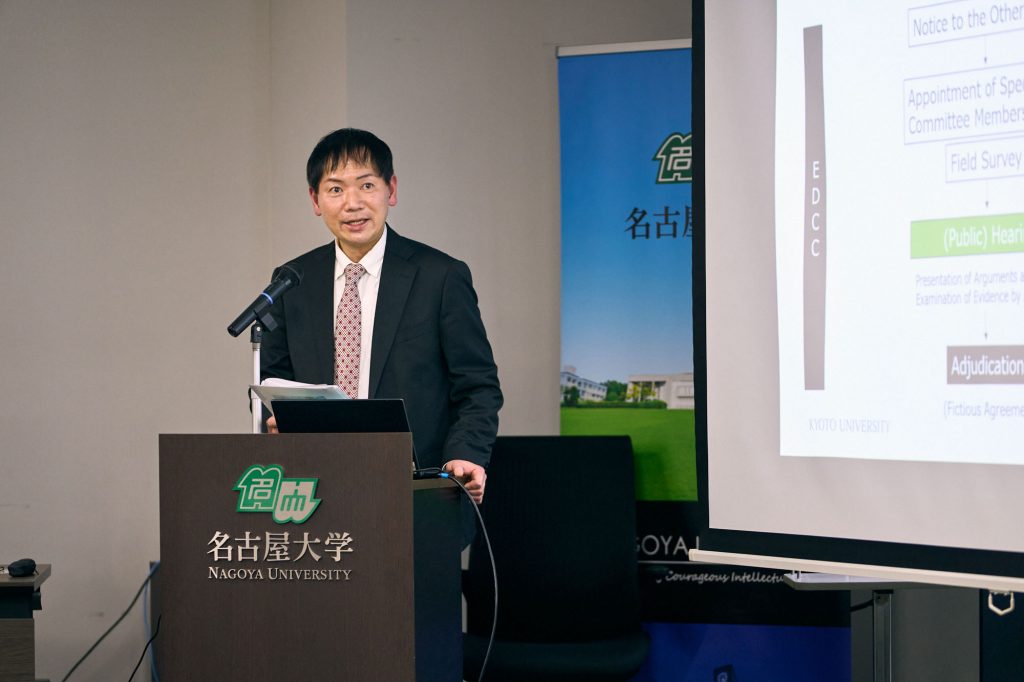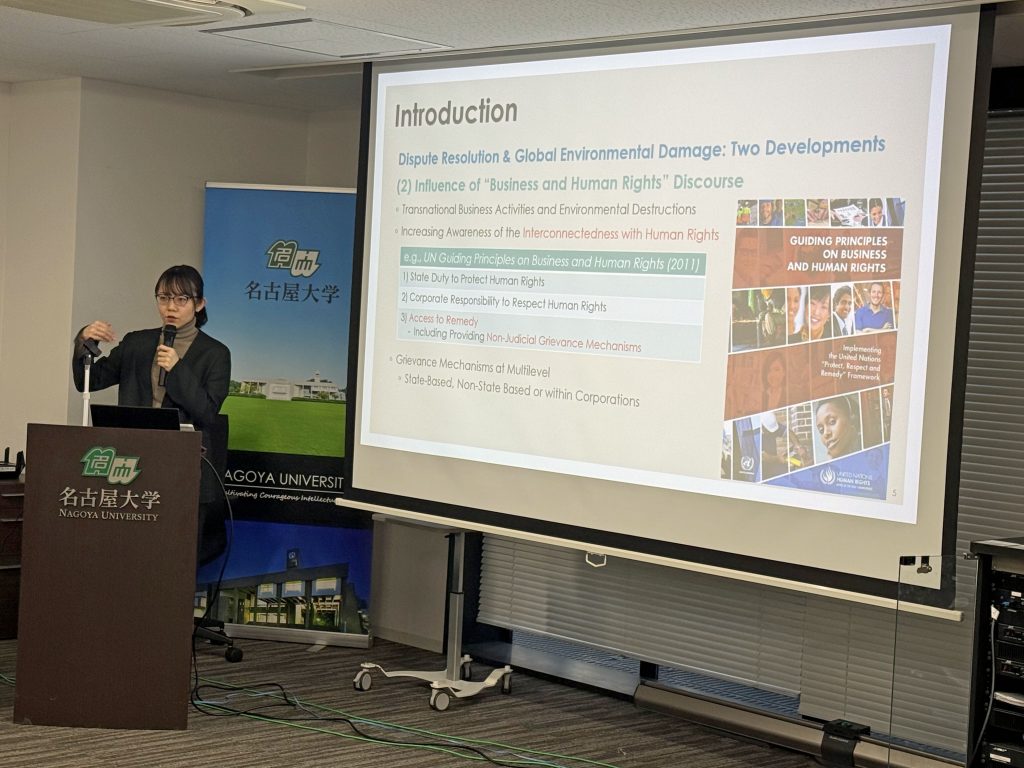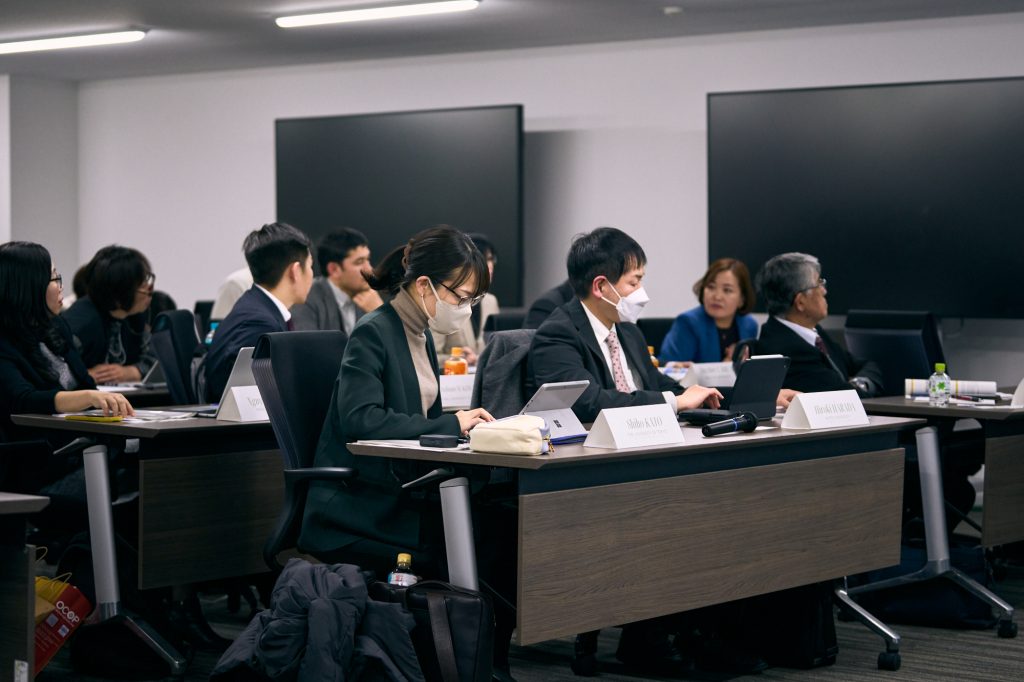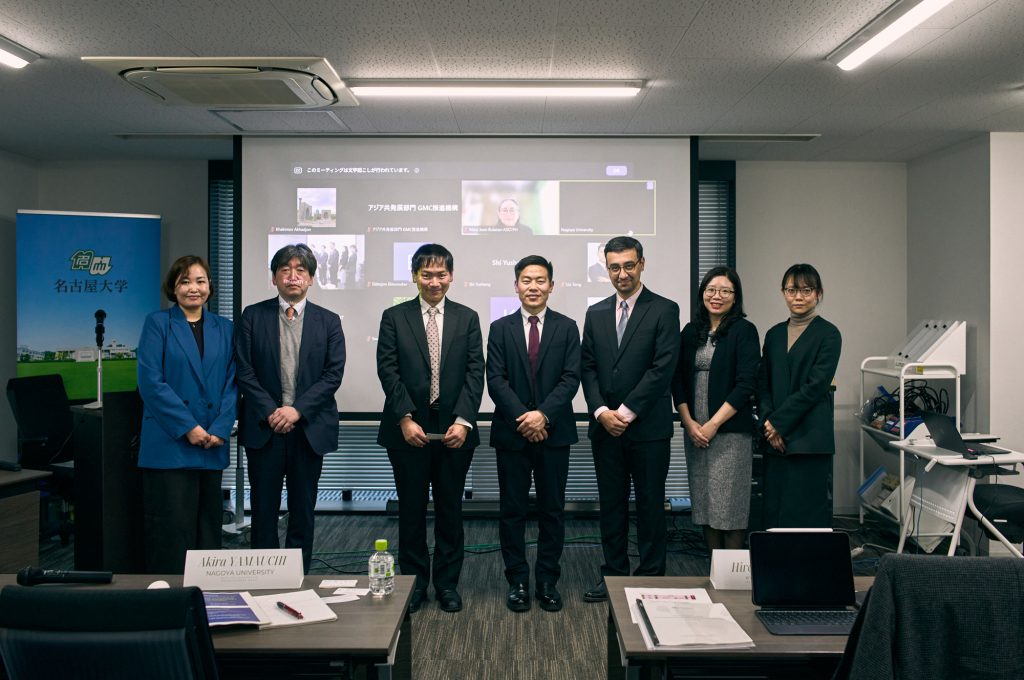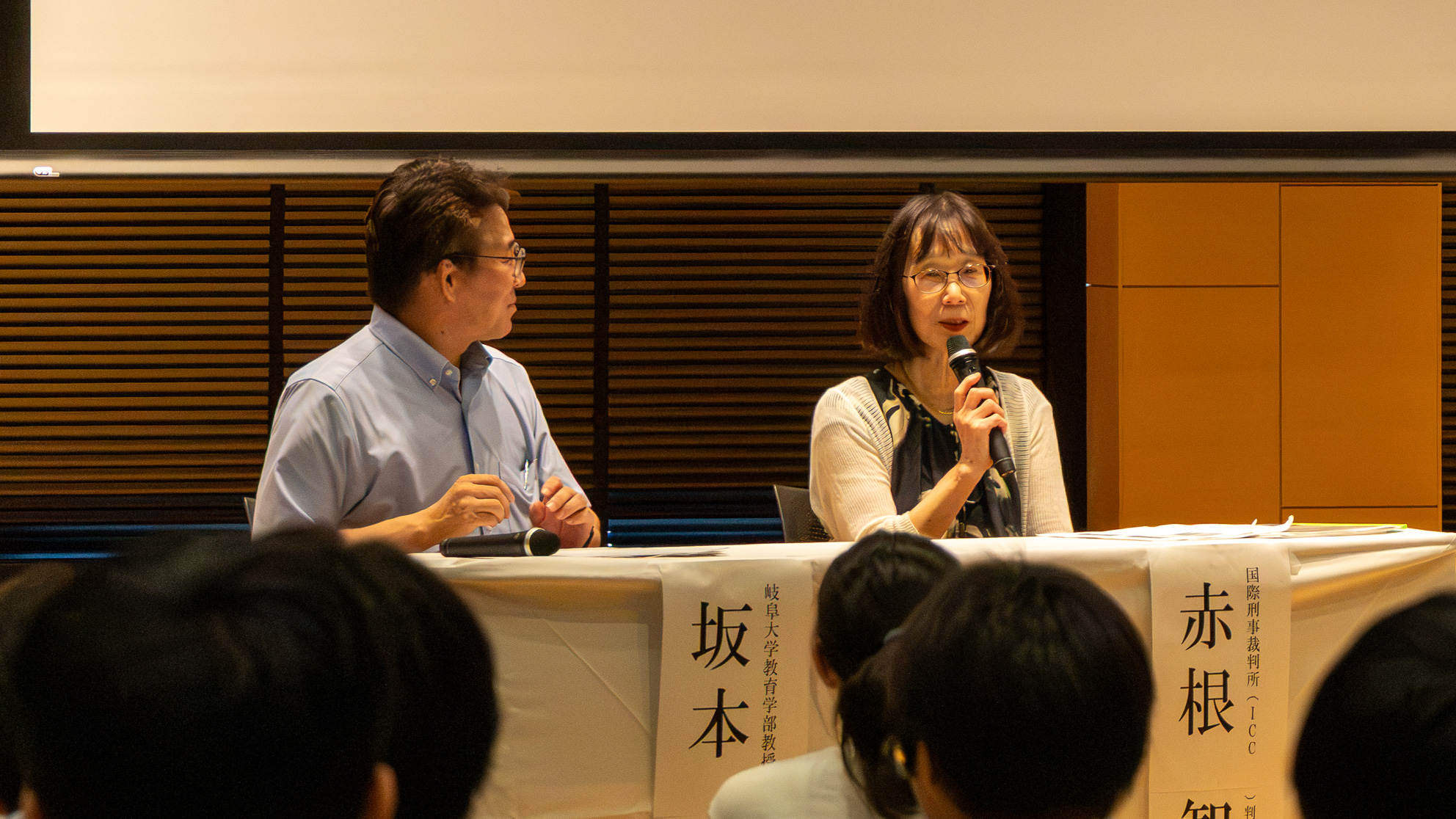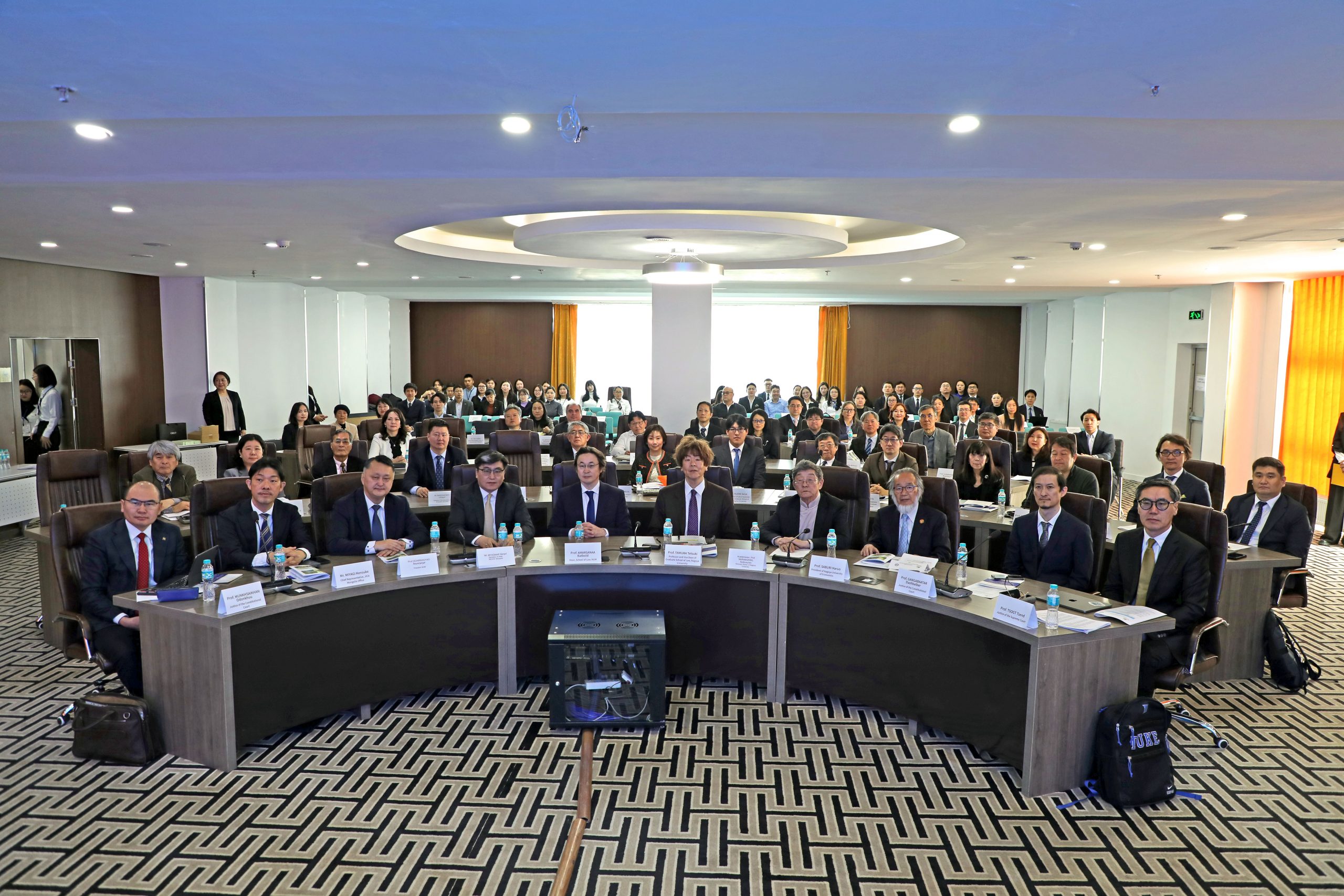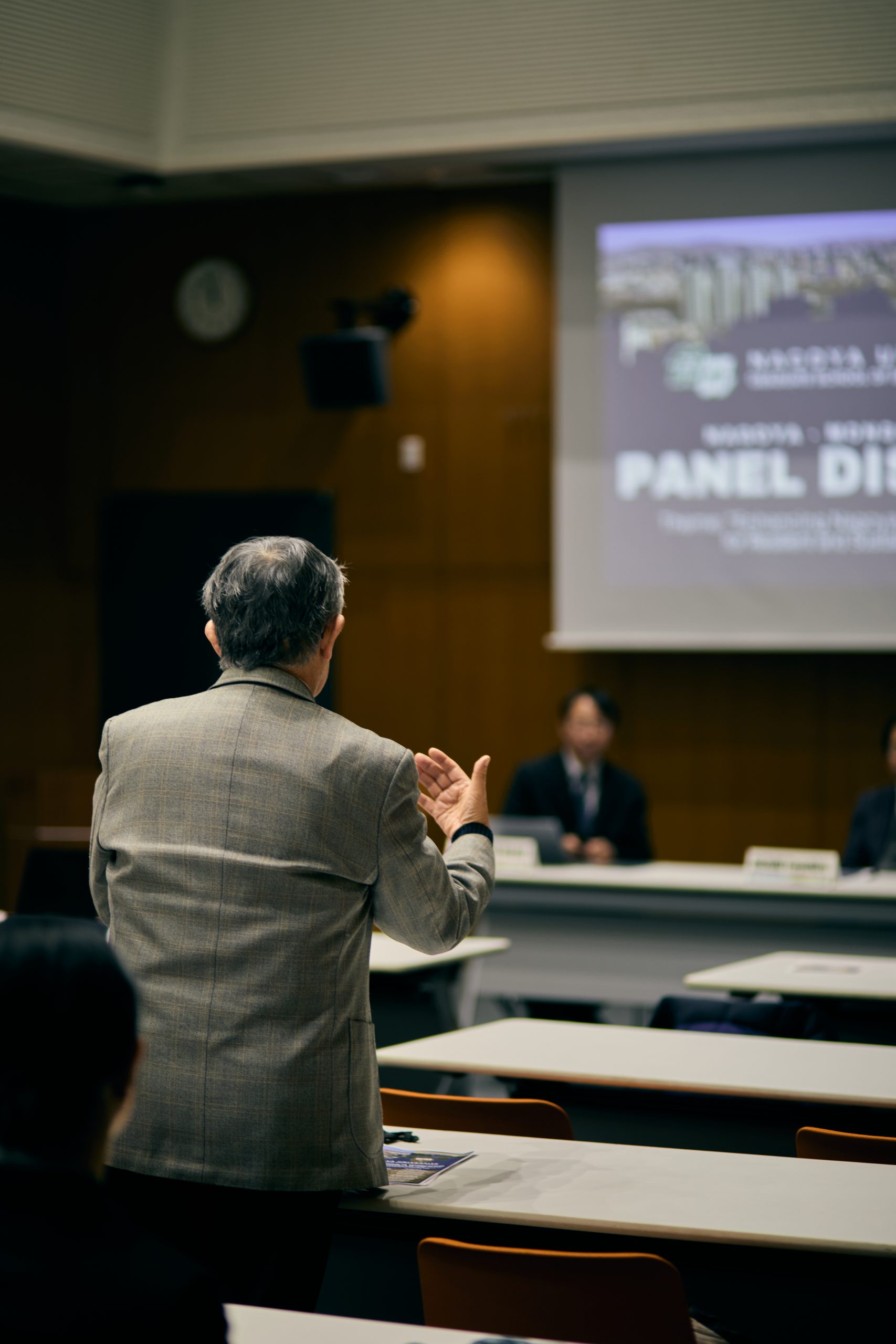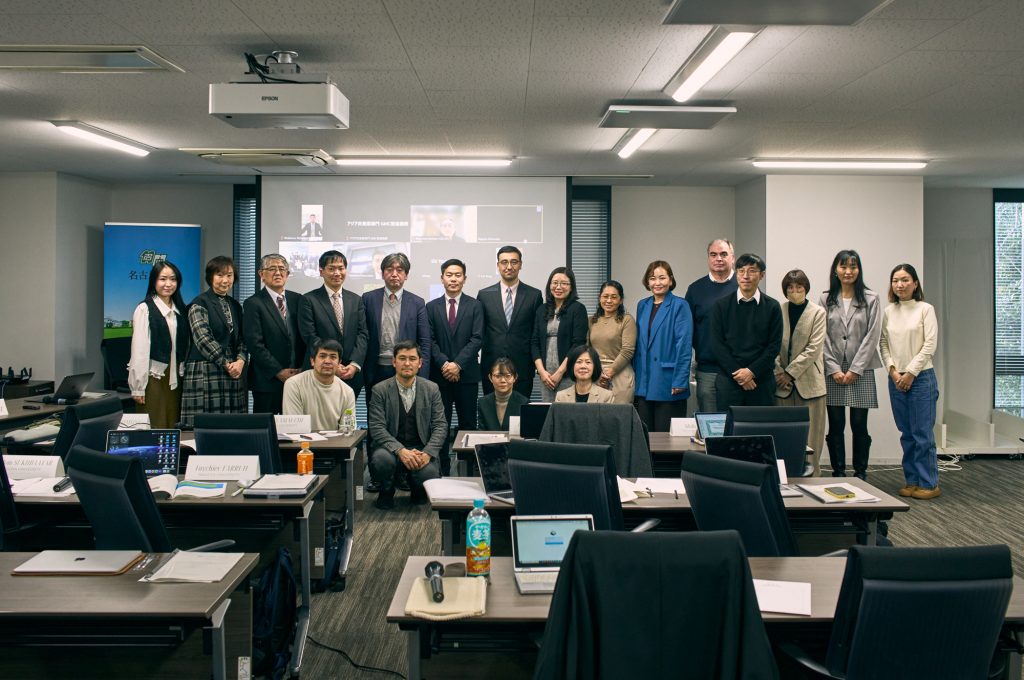
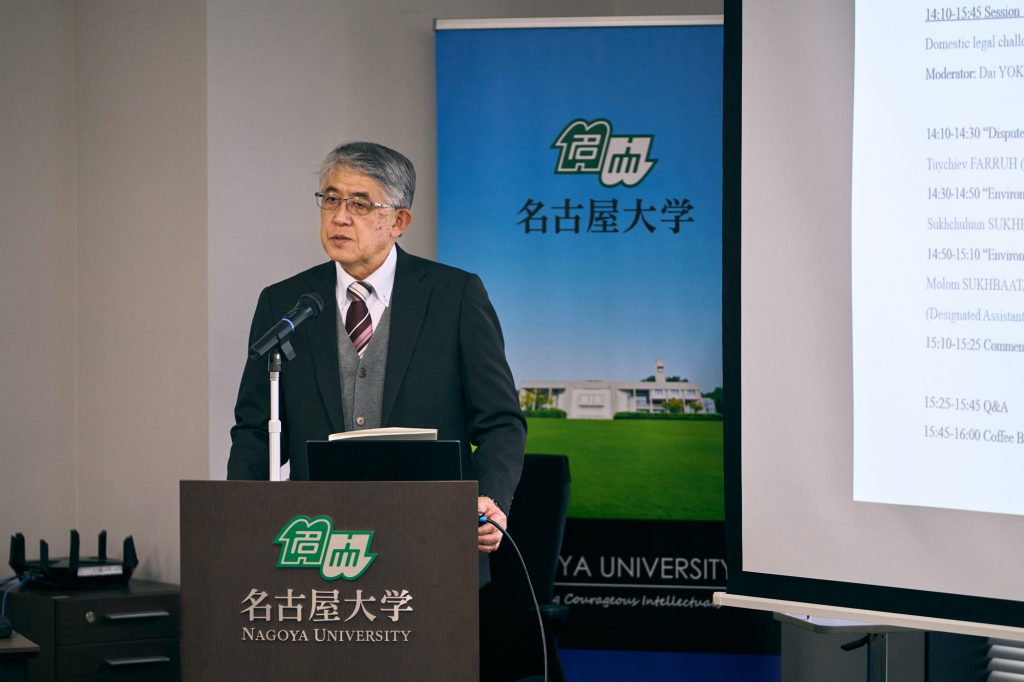
On January 28, 2026, Nagoya University hosted an international workshop entitled “Environmental Damage and Dispute Resolution in Asia”. The workshop, organized by the Asia Collaborative Development Department of the Global Multi-campus (GMC) Institute, brought together legal scholars from across Asia to examine how Asian legal systems address environmental damage and facilitate access to justice for affected communities.
The workshop focused on the current frameworks and practical challenges of environmental dispute resolution in Asia, as well as conflict-of-laws issues arising from cross-border environmental pollution. Through comparative and analytical discussion, participants examined how different jurisdictions address environmental harm and the legal, institutional, and social barriers victims face.
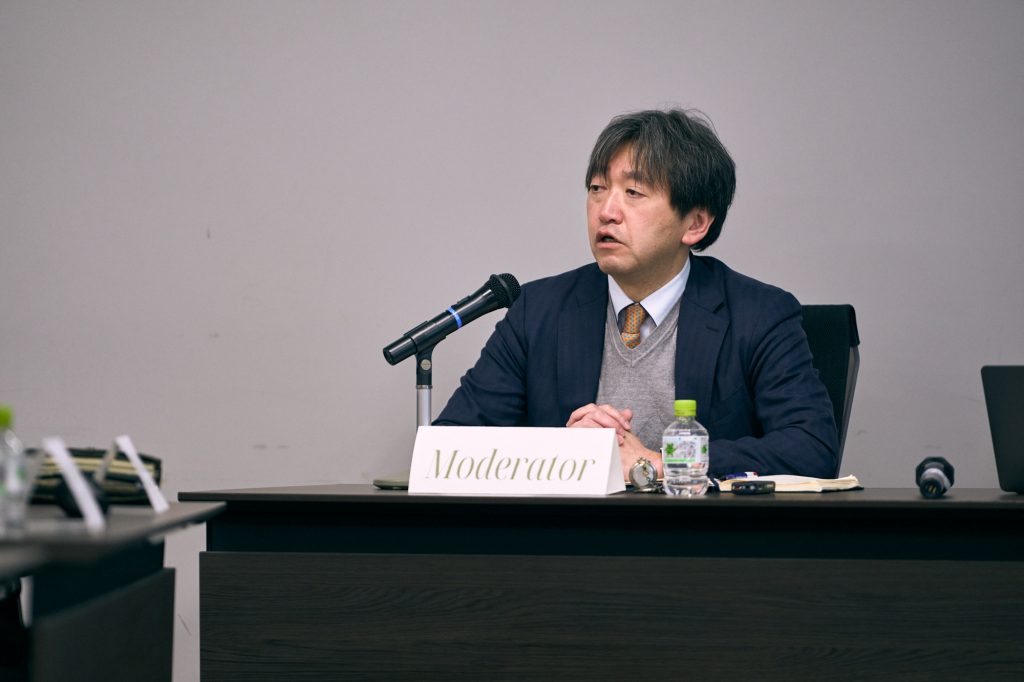
The speakers included current and former students of Nagoya University, highlighting the strength of its international academic network. Under the leadership of Prof. Dai Yokomizo (School of Law, Nagoya University), presentations were delivered by Mr. Farruh Tuychiev (Doctoral Candidate), Dr. Nguyen Thu Thuy (Hanoi Law University), Dr. Sukhchuluun Sukhbaatar (School of Law, National University of Mongolia), Dr. Molom Sukhbaatar (Nagoya University), and Prof. Shiho Kato (The University of Tokyo). Prof. Hiroki Harada (Kyoto University) served as a commentator and provided insightful remarks that deepened the comparative analysis.
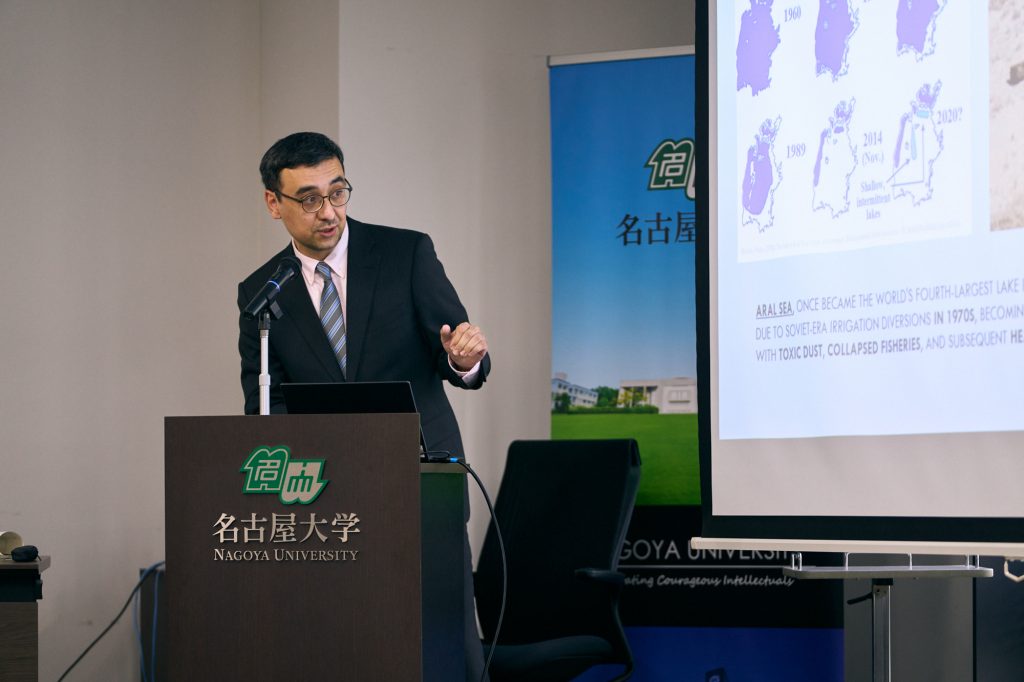
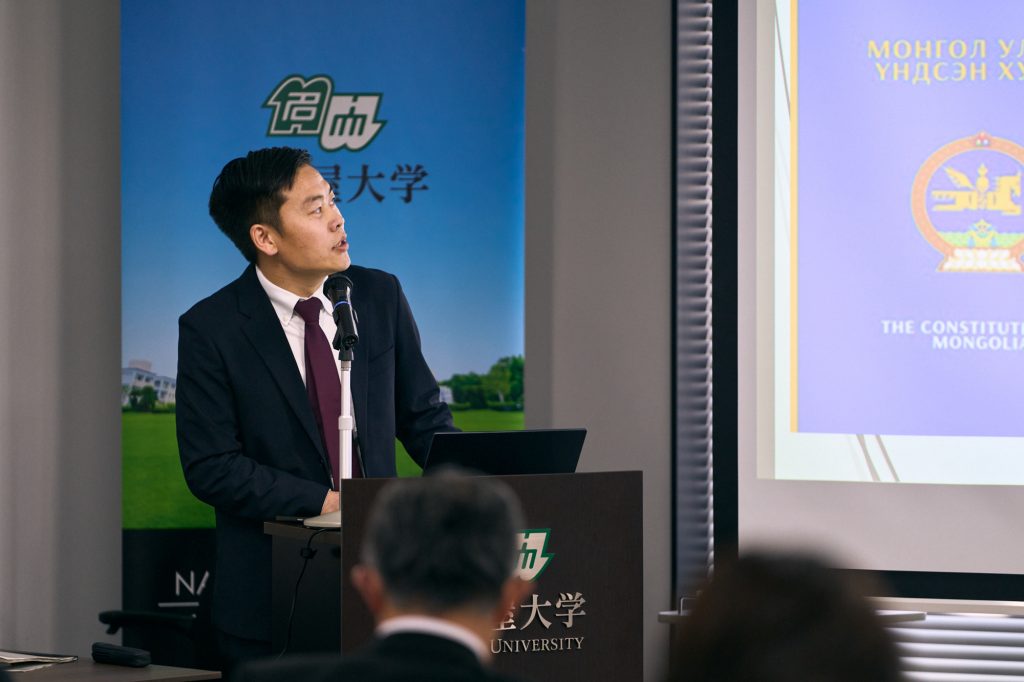
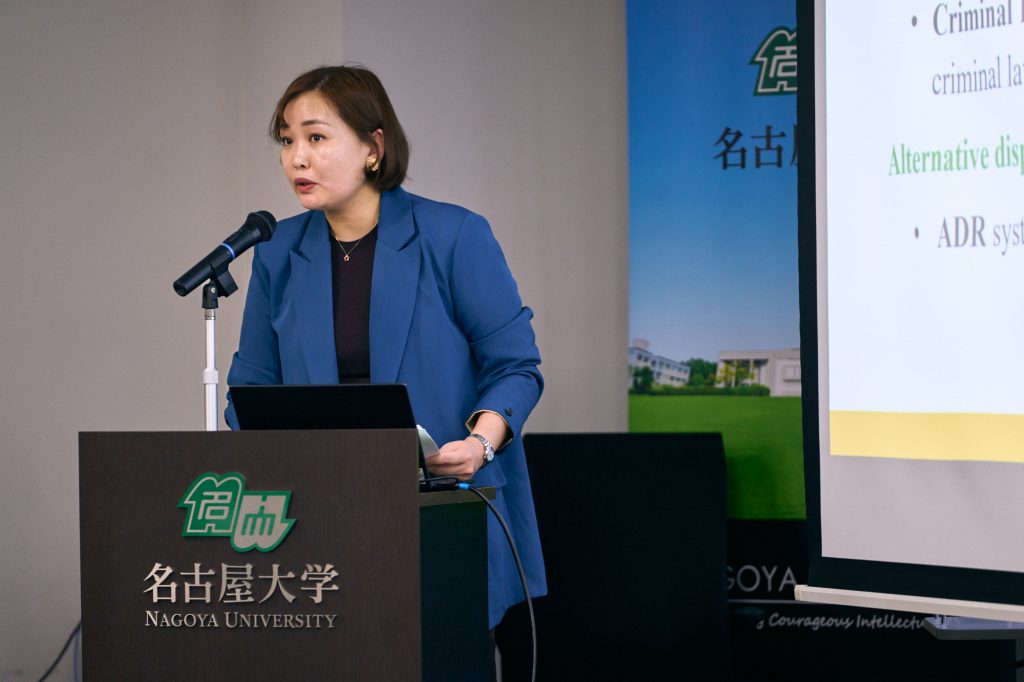
The workshop fostered lively discussion among participants on shared challenges in environmental dispute resolution across Asia, including high litigation costs, burden of proof, lengthy procedures, and the protection of vulnerable communities. It also highlighted the importance of cross-border legal cooperation in addressing environmental harm that transcends national boundaries.
This workshop marks an important step toward strengthening future research collaboration among Nagoya University alumni and scholars in Asia and contributes to the development of a sustained academic network focused on environmental justice and dispute resolution in the region.