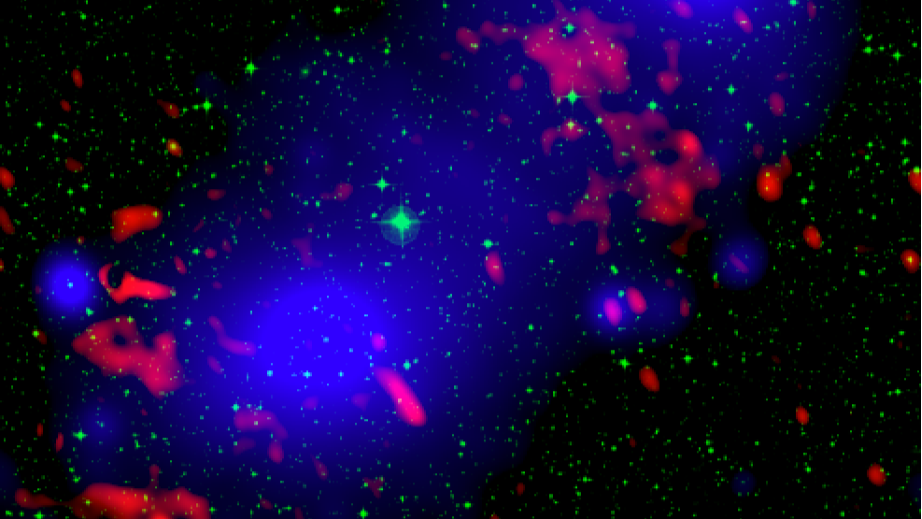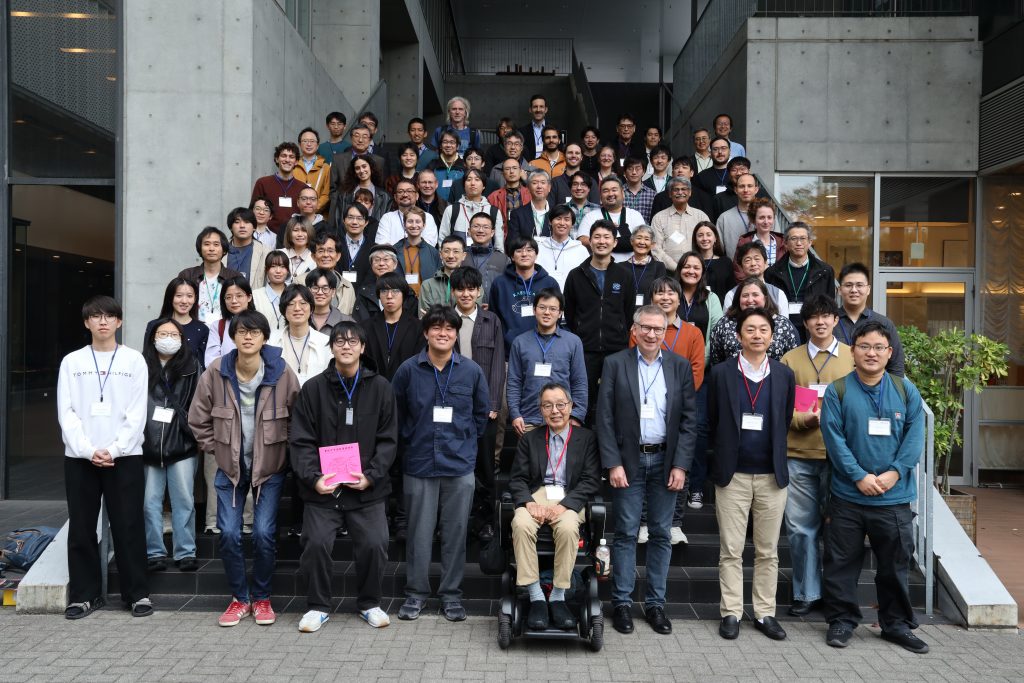
Nagoya University’s Kobayashi-Maskawa Institute (KMI) hosted the seventh KMI International Symposium from November 9 to 11, 2026. The event marked the launch of the Dark Matter International Research Center (DarMa), placing dark matter at the heart of discussions about the universe’s origins.
This year’s symposium theme was “Quest for the Origin of Particles and the Universe”. KMI Director Toru Iijima opened the three-day meeting, which brought together researchers from a broad range of fields, including particle physics, astrophysics, and cosmology, to discuss the latest developments in their respective areas.
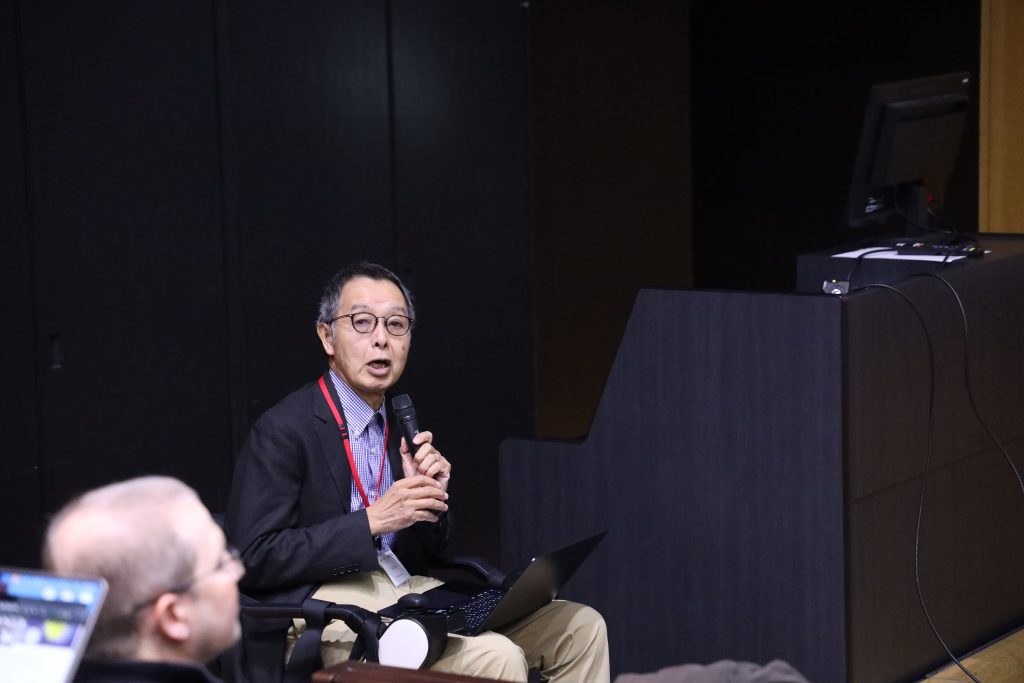
A highlight of the symposium was the introduction of DarMa by Professor Hiroyasu Tajima, opening an afternoon dedicated to dark matter detection and astronomical approaches. Presentations explored complementary ways to investigate dark matter, from liquid xenon detectors and high-resolution particle tracking to observations of dwarf galaxies and stellar streams in the Milky Way.
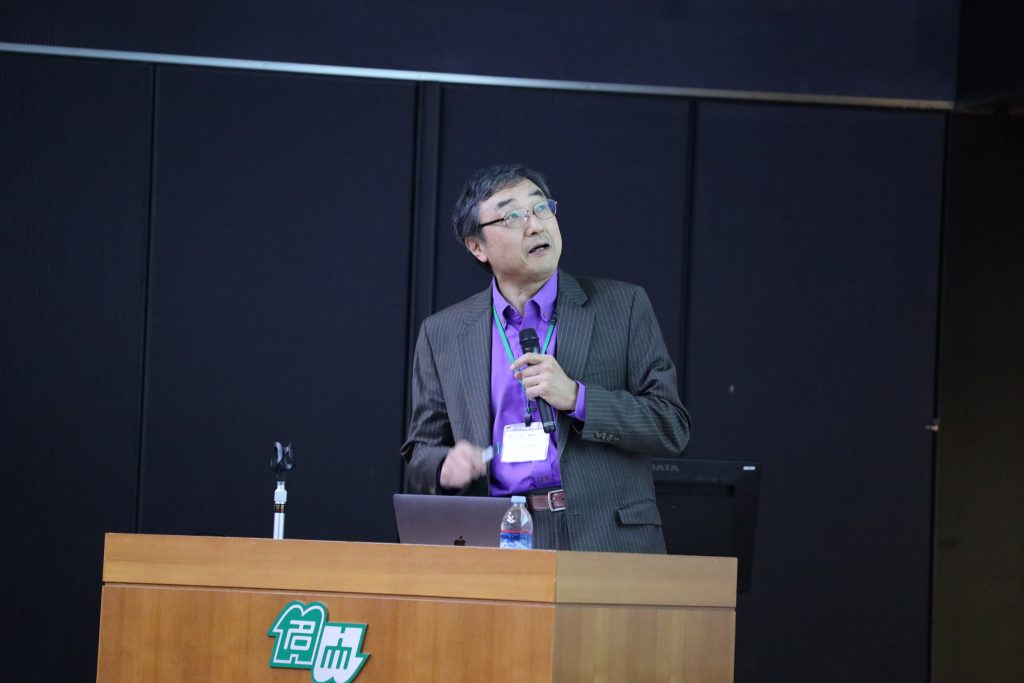
Dark matter remained a prominent theme across all three days. Later talks addressed searches at particle colliders, indirect searches using cosmic signals, and machine-learning methods for uncovering dark matter properties through galaxy environments. Several postdoctoral researchers and PhD students studying dark matter won prizes at the poster session held in the evening.
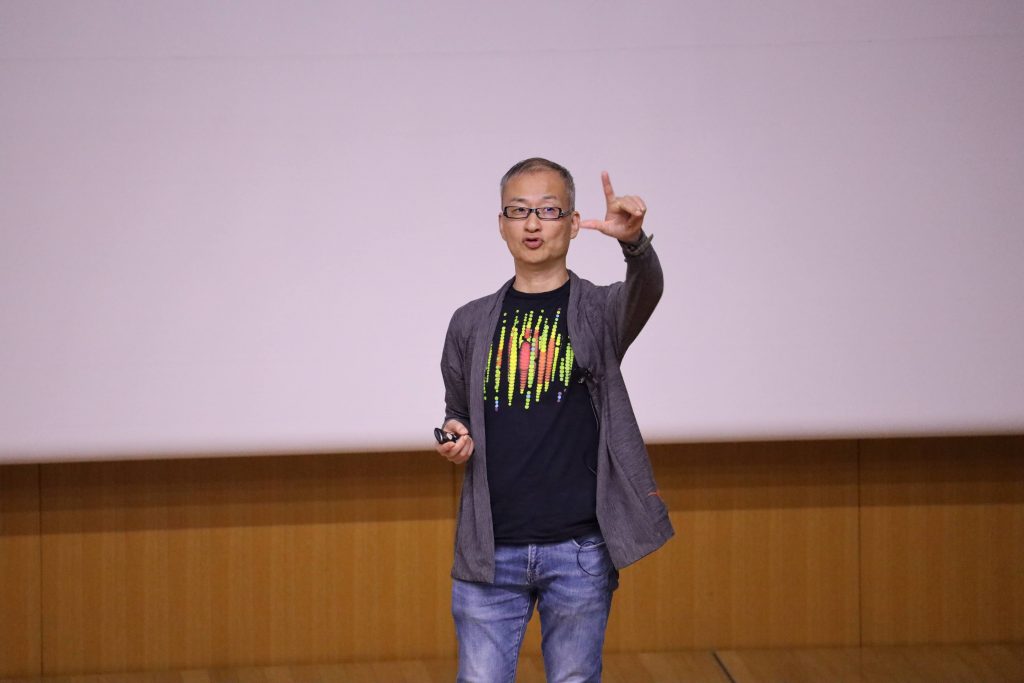
Celebrating the 2026 Nobel Prize in physics, the meeting featured a special lecture titled “The Long and Winding Road” by Shigeru Yoshida, director of the International Center for Hadron Astrophysics at Chiba University. The lecture traced the IceCube observatory’s development and the emergence of high-energy neutrino astronomy.
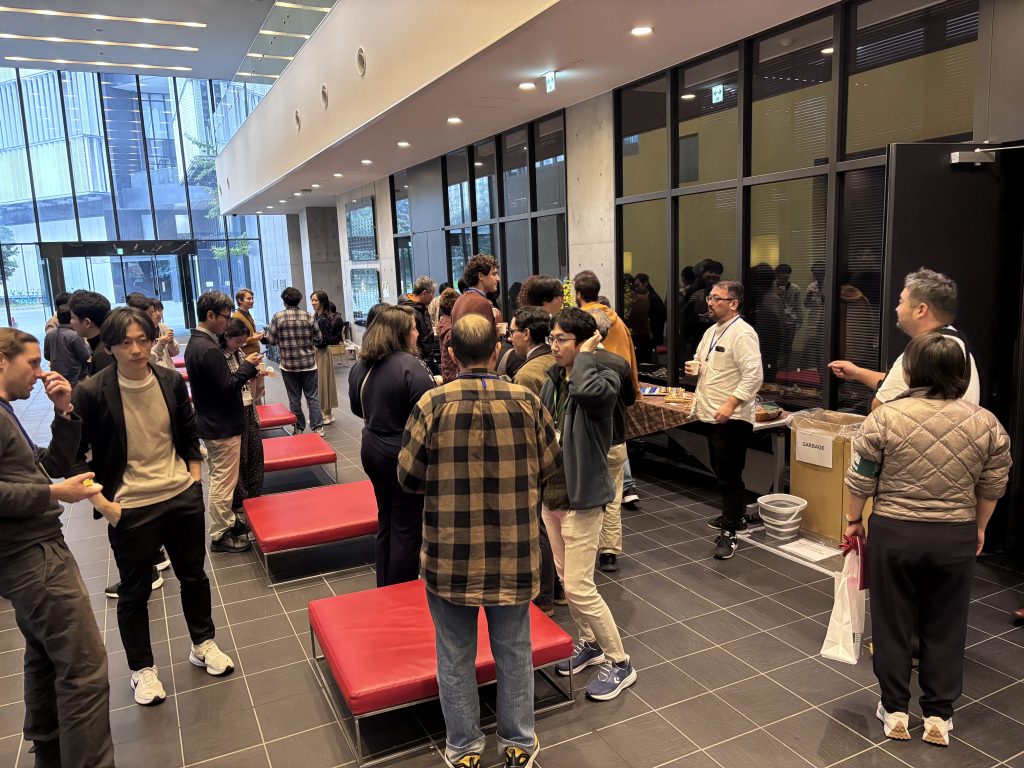
Click through more pictures of the event below (photos by KMI):