Landlocked between China and Russia, Mongolia is a dynamic country of about 3.6 million people with a fast-growing economy, a young population (median age of 27 years in 2026), and a democratic system of government. It has long had warm relations with Japan, as shown by a free trade agreement signed between the two countries in 2024 and bilateral trade reaching 172.17 billion yen in the same year. This close relationship was further underscored when Their Majesties the Emperor and Empress of Japan visited the capital city of Ulaanbaatar in July 2025. Underpinning these ties, Japan is also one of Mongolia’s largest donors of overseas development aid, funding such infrastructure as the Chinggis Khaan International Airport.
Within the broader Japan-Mongolia relationship, Nagoya University holds a distinctive position. Beginning in the early 2000s, the number of Mongolian students studying in Nagoya rapidly increased, thanks to efforts by the Graduate School of Law. Since then, the pipeline of Mongolian students to Nagoya University has widened to include the Nagoya University Global Environmental Leaders Program (NUGELP); the English-taught G30 programs; the Young Leaders Program (YLP), which offers a one-year master’s degree in healthcare administration; and the Asian Satellite Campuses Institute (ASCI), which offers special research-based doctoral programs targeting professionals in government positions and academic institutions. In 2025, 37 Mongolian students were enrolled at Nagoya University, placing Mongolia eighth among sending countries and regions.
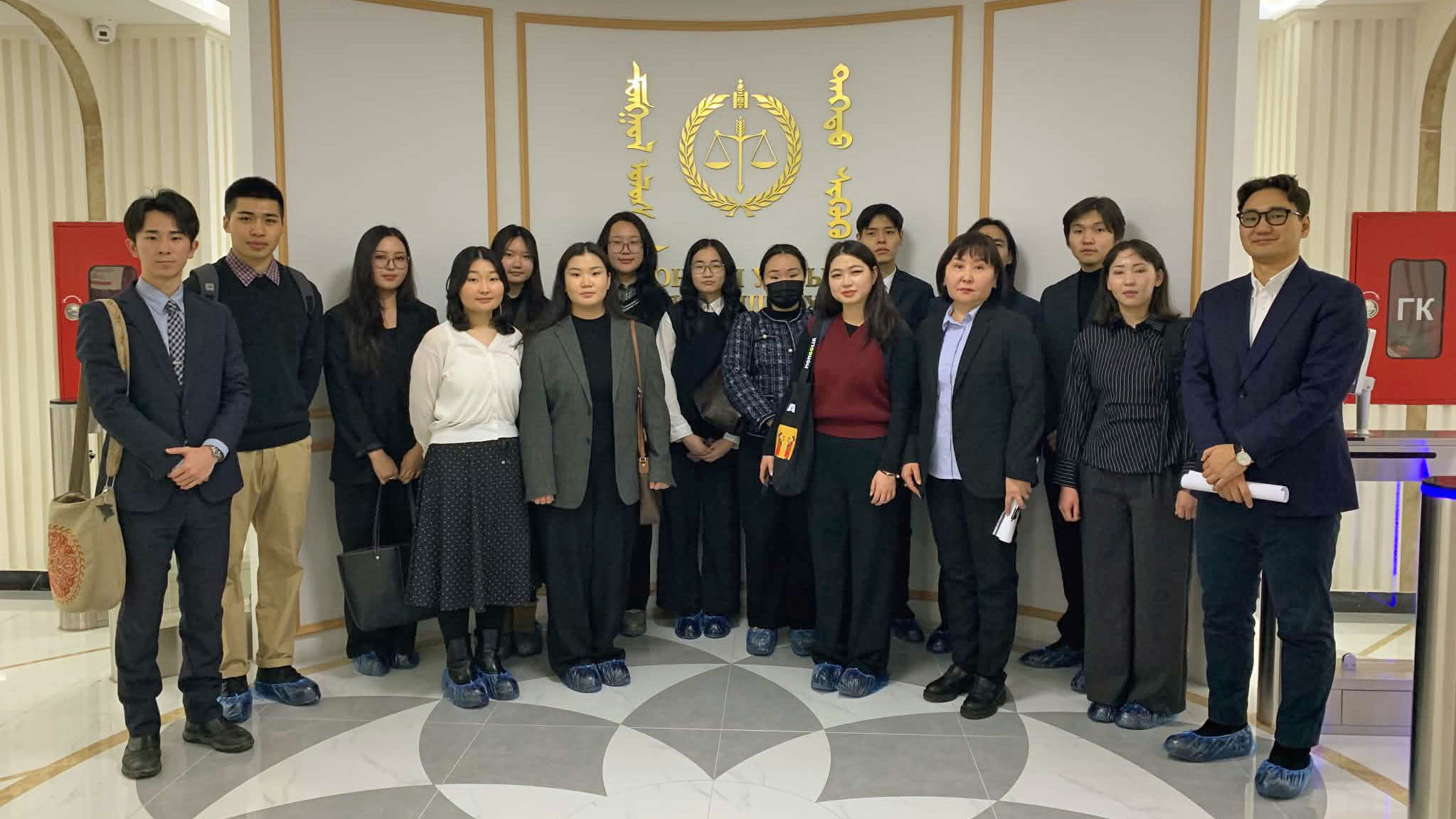
Along with accepting students at its campuses in Japan, Nagoya University also maintains a permanent presence on the ground in Mongolia. In 2014 it established its Nagoya University Mongolia Office. Meanwhile, the Nagoya University Research and Education Center for Japanese Law in Mongolia (CJLM), located within the National University of Mongolia in Ulaanbaatar, has produced more than 123 graduates trained in both legal studies and the Japanese language.
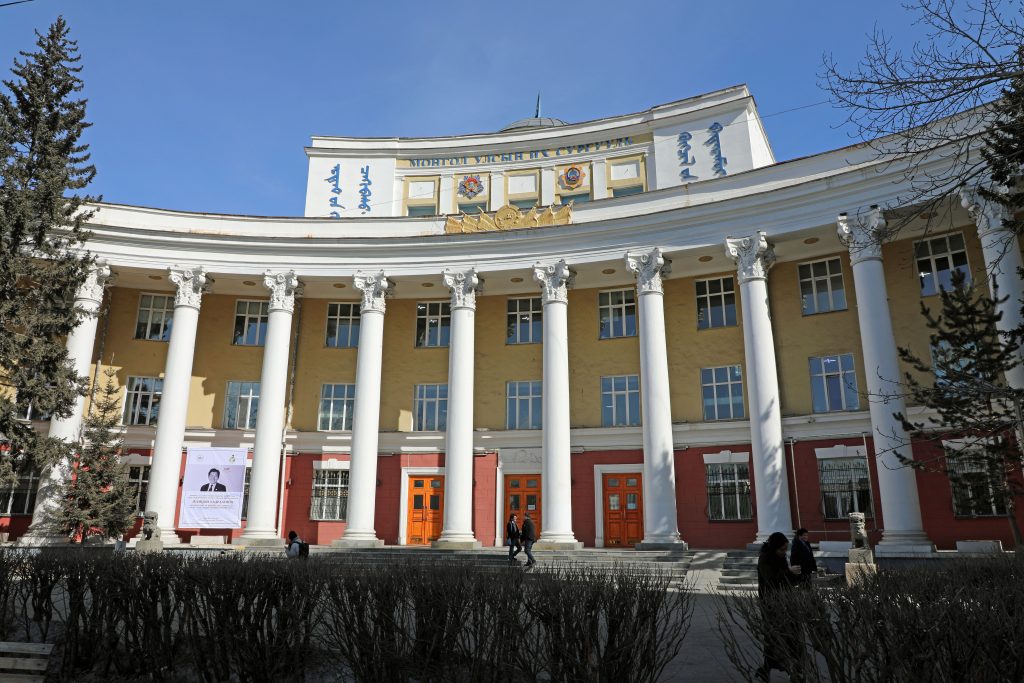
The International Communications Office spoke with four Mongolians connected to Nagoya University to learn more about how they are contributing to their society and the activities of the Nagoya University Alumni Association Mongolia Branch.
Contributions of Nagoya University alumni to Mongolia
Nagoya University has played a key role in educating many people shaping Mongolian society. One alumnus, Ochirkhuyag Bayanjargal, now serves as president of the National University of Mongolia, the country’s leading higher education institution. After being introduced to a Nagoya University engineering professor by a high school friend in the 1990s, he decided to study in Japan. Ochirkhuyag’s view that Japanese engineering culture reflects a commitment to precision and a drive to eliminate error, has shaped his approach to education. He seeks to instill these qualities in Mongolia’s next generation of engineers and researchers. “From the beginning, I aimed for Japan,” he says.
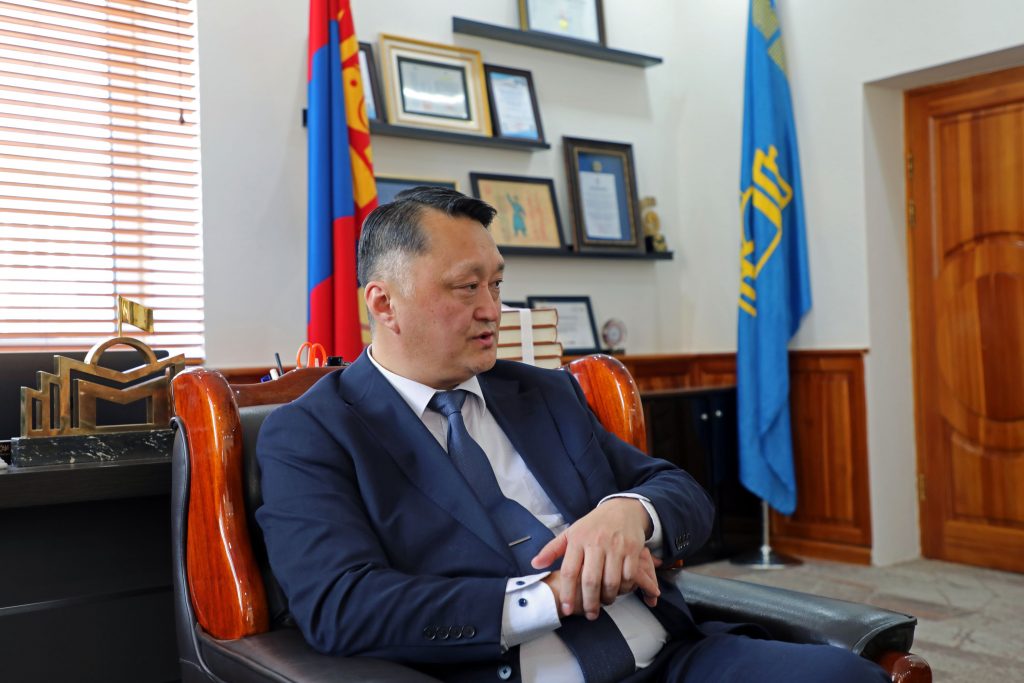
Unsurprisingly, Ochirkhuyag supports deepening the relationship between Nagoya University and Mongolia. Notably, he believes that the relationship should run in both directions. Mongolia, he argues, has much to offer Japan, with its collaborative and adaptable culture complementing Japanese strengths in precision and technical excellence. “Collaborations between Japanese and Mongolian people tend to proceed smoothly,” he says. “Many Mongolians have a very positive impression of Japan.” Interest in Japan among young Mongolians, he adds, shows no sign of cooling. It is reinforced by growing demand from Japanese companies seeking to recruit Mongolian talent, particularly in software and artificial intelligence.
Another influential figure in Mongolia-Nagoya relations is Galbadrakh Janchiv. He is a member of the State Great Hural of Mongolia, the national parliament, and the founder of one of Mongolia’s most prominent educational institutions, Shine Mongol School. Shine Mongol School began as a single high school in 2000 but has since grown into three comprehensive campuses spanning kindergarten through high school. More than 615 of its graduates have gone on to study in Japan, making Shine Mongol one of the most significant pipelines of Mongolian students into Japanese higher education.
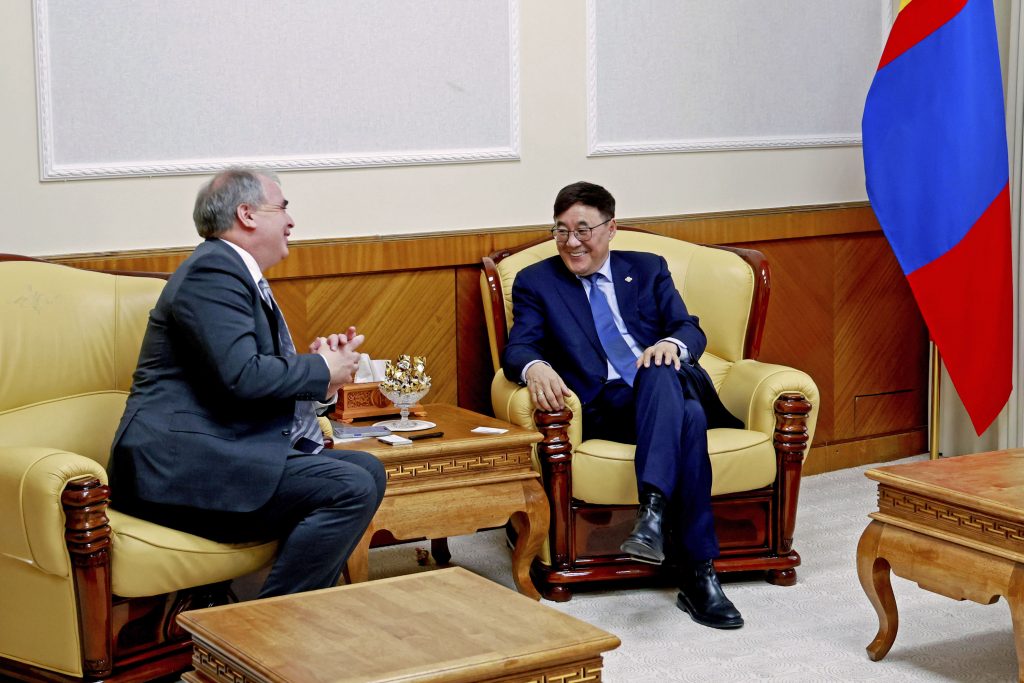
Galbadrakh’s connection to Japan began in 1995, when he enrolled in a master’s program at Yamagata University. He went on to complete the curriculum for a PhD at Tohoku University in 2004 and later earned his doctorate from the National University of Mongolia in 2016. His research focused on expanding Mongolia’s high school system to meet international university admission standards, research that influenced his country’s decision to adopt some of his suggested reforms as national policy. “I have been able to pursue my dreams, so now I am working to help others do the same,” says Galbadrakh.
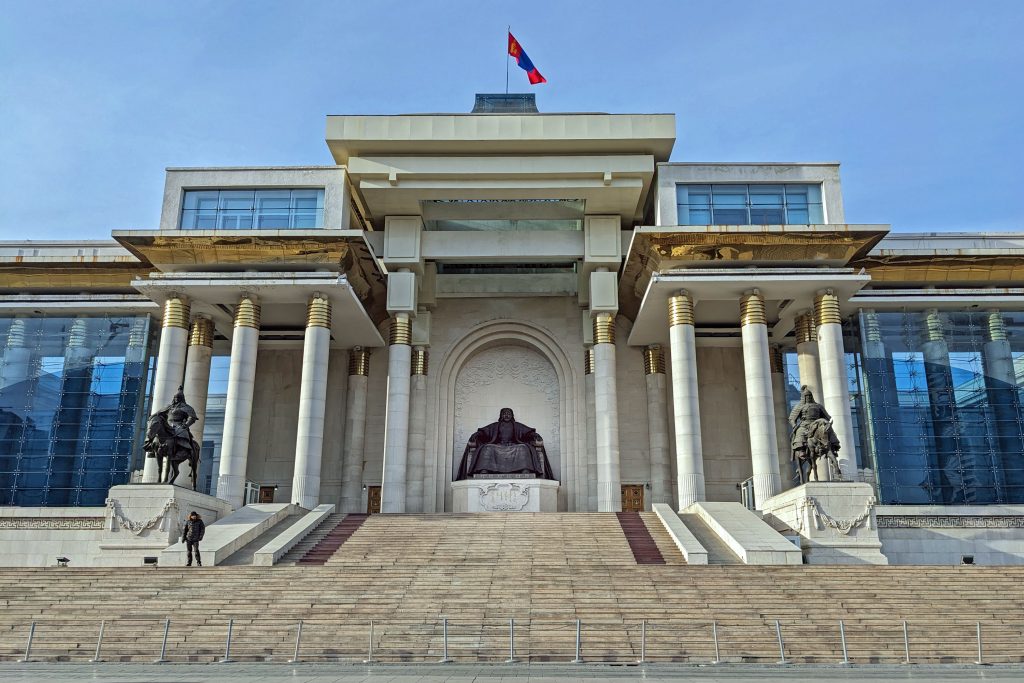
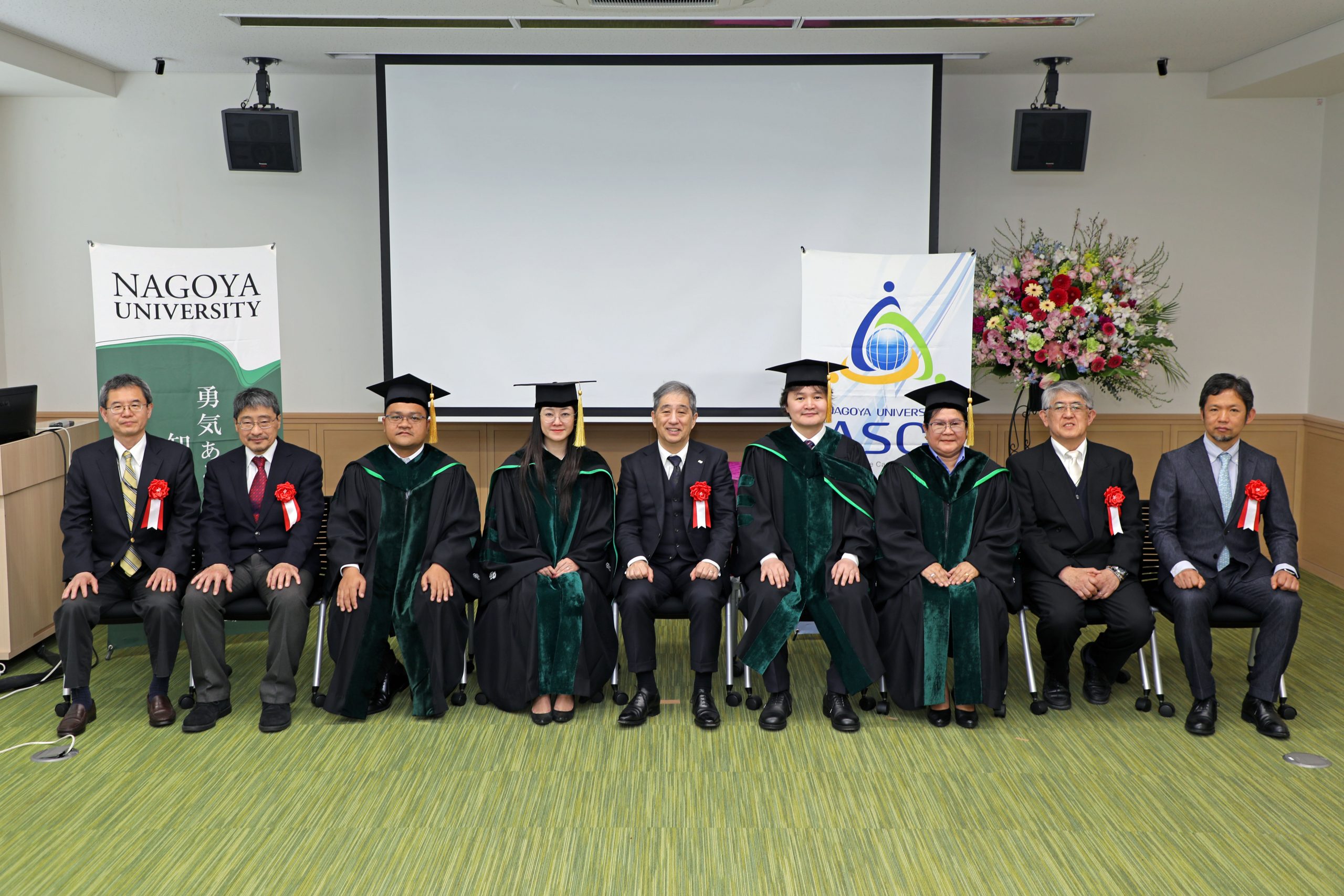
In 2019, Galbadrakh enrolled in Nagoya University’s ASCI program to further his research on school management theory. Structured to accommodate working professionals, ASCI allowed him to continue his educational work in Mongolia without interruption — and, from 2024, his parliamentary duties as well. But Galbadrakh is not the only member of his family with a connection to Nagoya University.
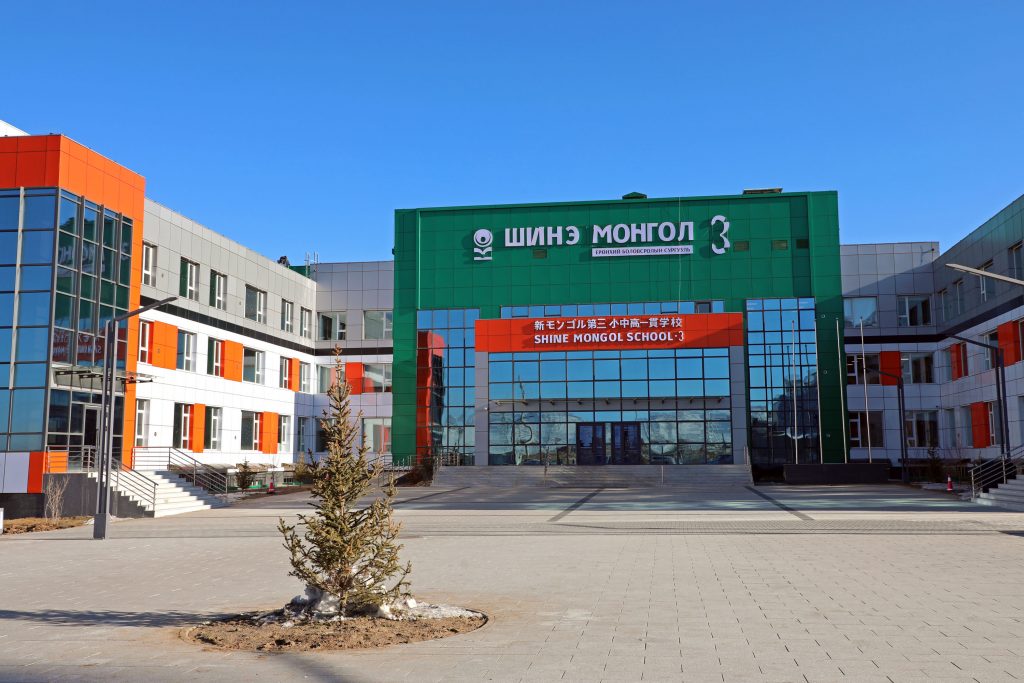
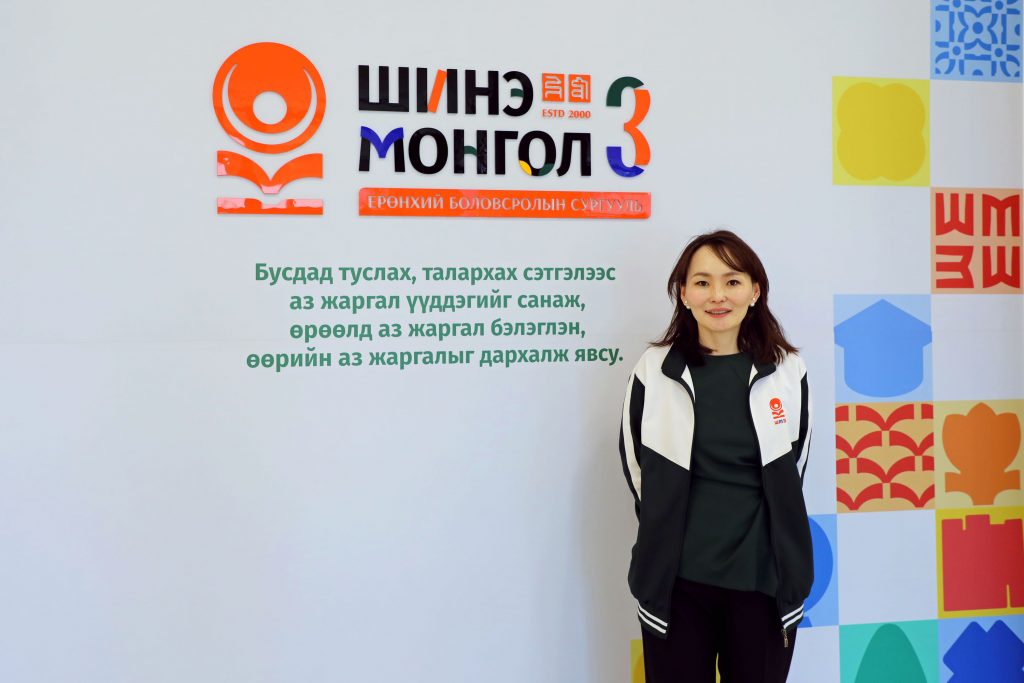
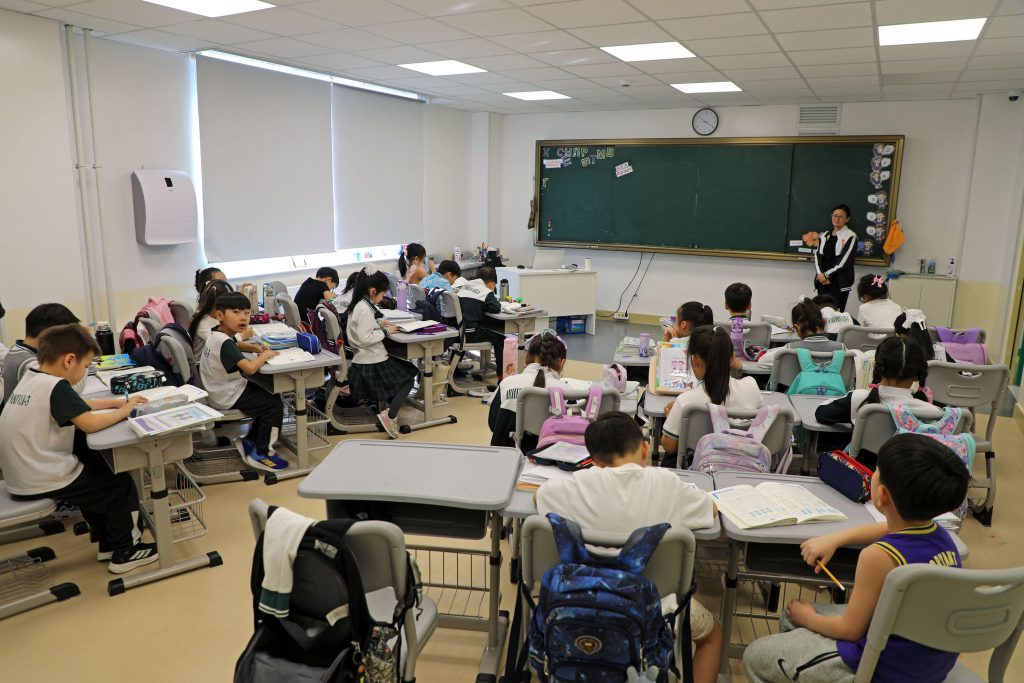
His daughter, Suuri Galbadrakh, also followed a career path in education, earning a doctorate from the Graduate School of Education and Human Development. She now serves as principal of Shine Mongol School Number 3. The newest of Shine Mongol’s campuses, Shine Mongol School Number 3 was established to serve children in a new residential district of Ulaanbaatar and ease the burden of traffic congestion on families.
Suuri’s doctoral research at Nagoya examined Mongolian societal values and their connection to educational culture, work that now directly informs how she leads her school. Her decision to pursue that research was not a simple one. In 2016, she traveled to Nagoya with her two kindergarten-age children, leaving her husband behind in Ulaanbaatar. However, she was able to complete her studies with support from a Japanese government scholarship that made the move financially possible. “I am truly grateful to Nagoya University,” she says. “Financially, it would have been very difficult on my own. Thanks to the opportunity to study abroad and the knowledge I received, I am always grateful and trying to help others.”
The Nagoya University Alumni Association Mongolia Branch
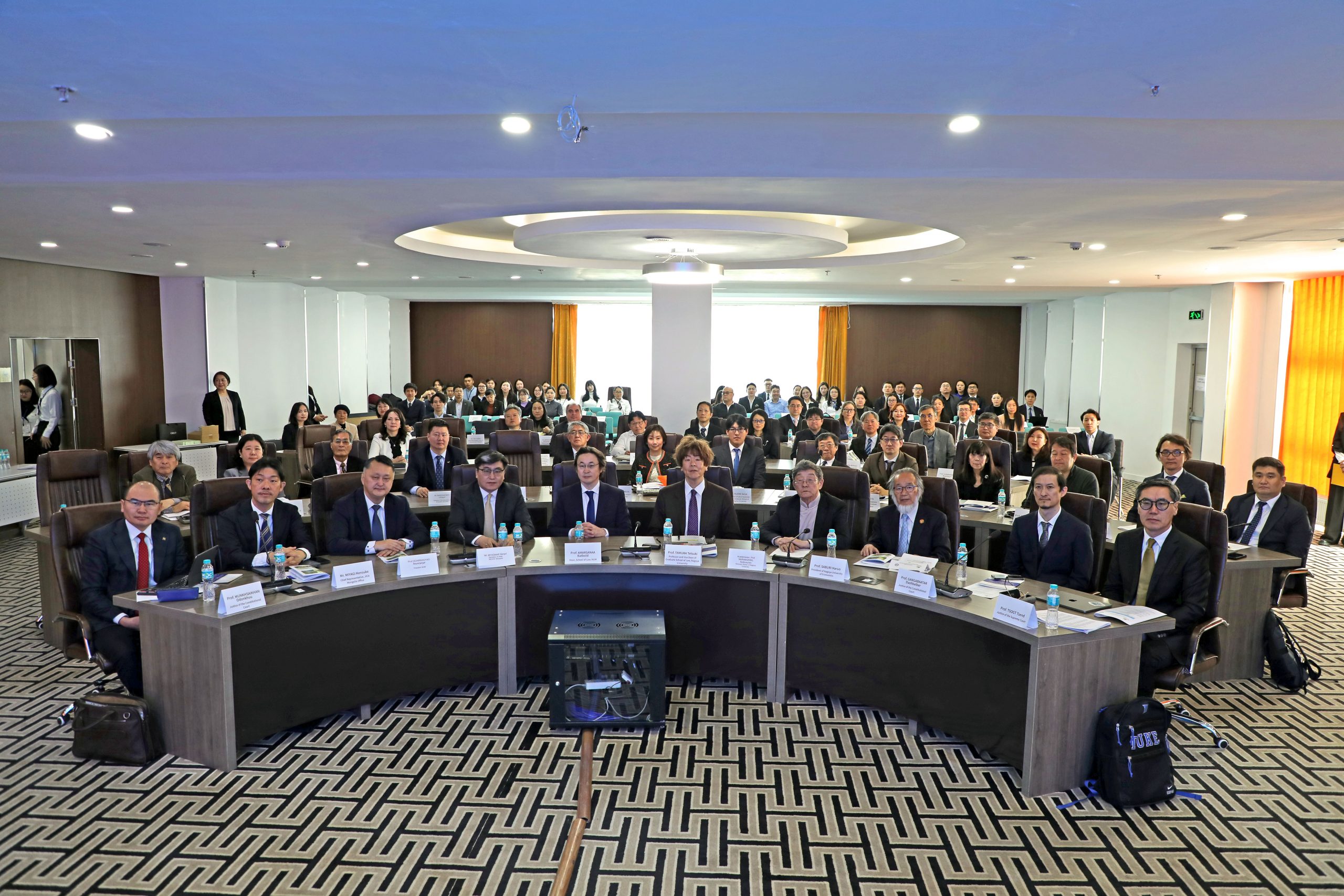
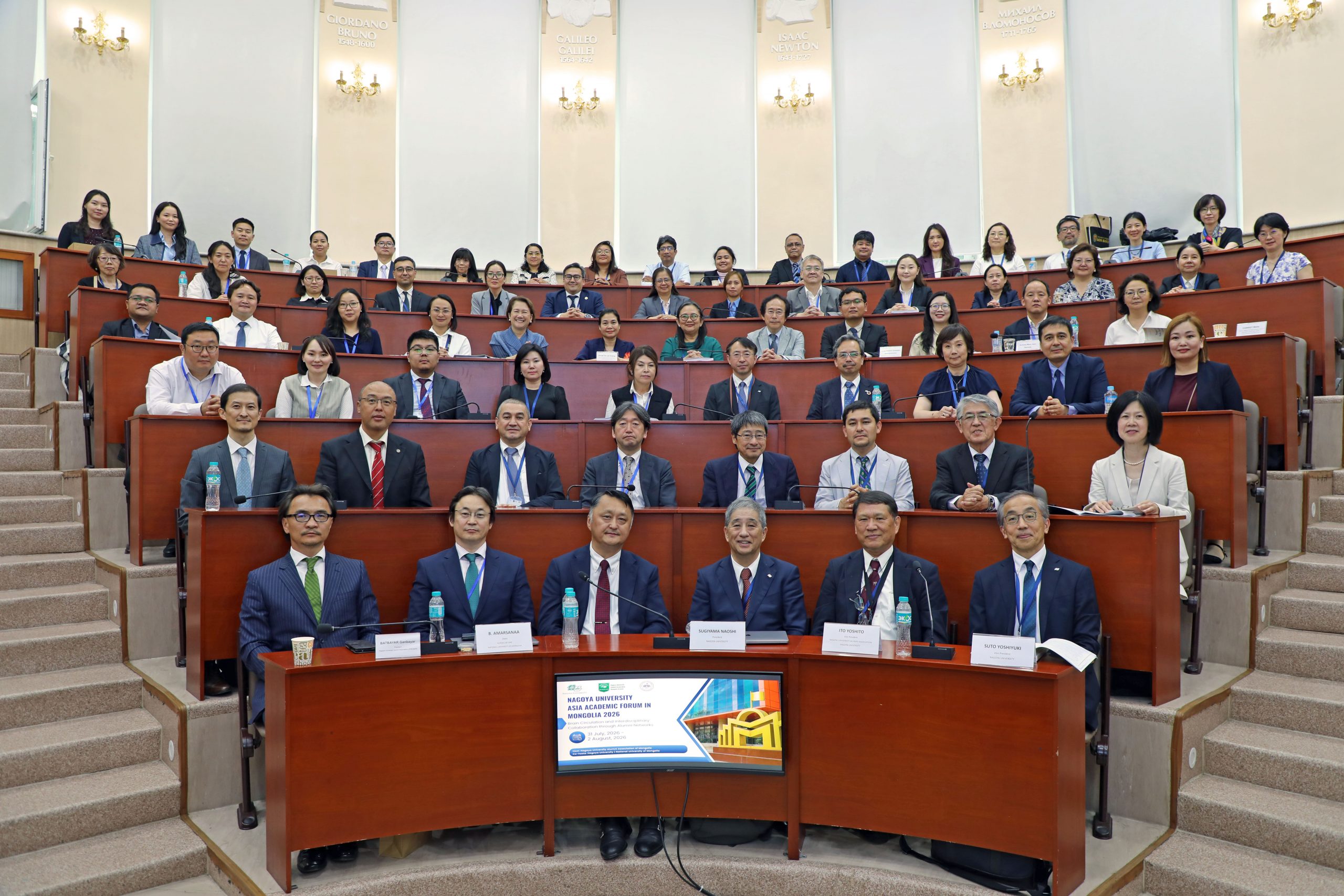
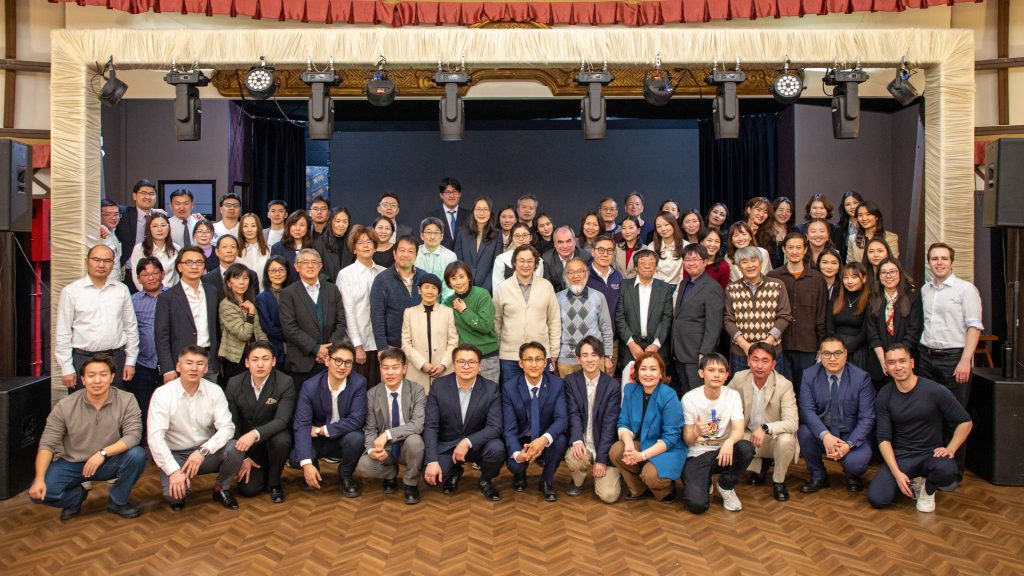
There are also more than 100 members of the Nagoya University Mongolia Alumni Branch, many of whom contribute to keeping the relationship strong. They include professors, politicians, engineers, medical professionals, lawyers, and judges on the Supreme Court and Constitutional Court.
The head of the Mongolia Branch is Batbayar Ganbayar, a founding partner of Batbayar and Partners LLP. After completing his master’s degree at Nagoya University’s Graduate School of Law, Batbayar returned home and helped guide the Branch from occasional informal meetings into the organization it is today.
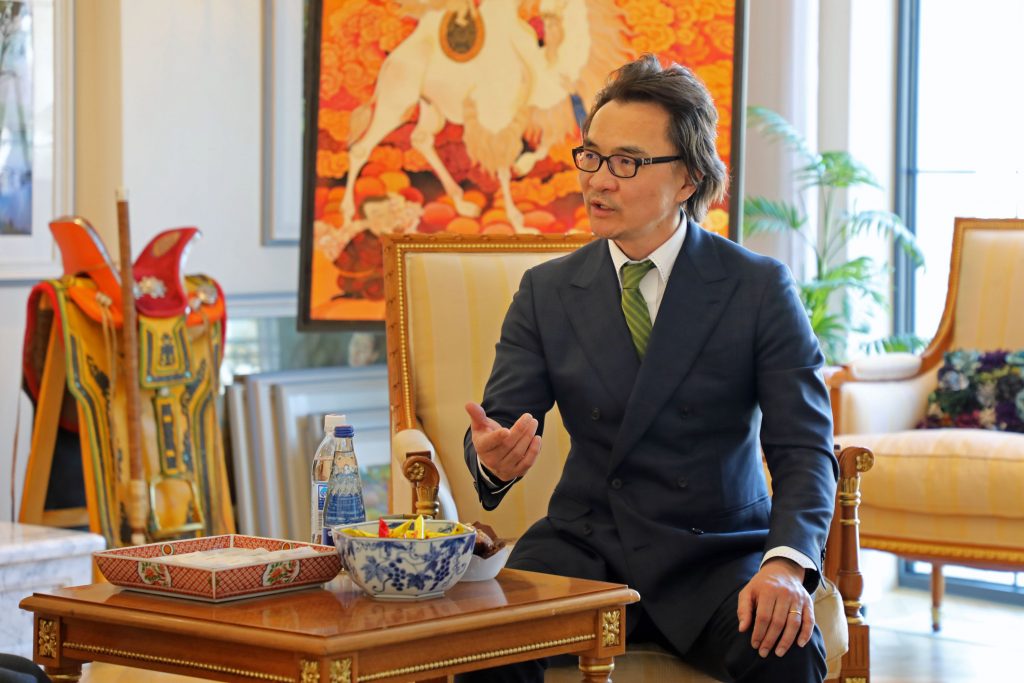
The Mongolia Branch traces its origins to the late 1990s and early 2000s, when Mongolians who had graduated from Nagoya University began returning home. Alumni would meet occasionally for events such as dinners, New Year celebrations, and visits by professors from Japan. Over time, the informal gatherings became more structured. In September 2009, the Nagoya University Alumni Association officially recognized the Mongolia Branch. Today, it is a high-trust professional network that spans sectors and generations. “From the very first graduates, it was bottom-up,” he says. As for what Nagoya itself meant to him, Batbayar says, “Nagoya affected every aspect of my life … I cannot imagine what my life would be like if I hadn’t gone.”
Alumni networks function best as feedback loops. Younger Mongolians see where their predecessors studied, observe what those graduates have gone on to achieve, and begin to draw conclusions about where they themselves might want to study. This is the mechanism at work in the Mongolia Branch, and it is more persuasive as a recruitment tool than any marketing campaign.
Of course, building and maintaining an international alumni branch is not without its challenges. Mongolian students today have a wider range of international study options than they did a generation ago. While Japan remains a popular destination, many students are also choosing China, South Korea, and Australia. Without a steady pipeline of Mongolians studying at Nagoya University, this may affect the number of younger members of the Mongolia Branch.
Despite such challenges, however, the foundations of the Mongolia-Nagoya University relationship are solid. The Mongolia Branch is not merely a list of former students. It is an active community bringing what they learned in Nagoya to their work for the schools, companies, and government institutions that shape Mongolian public life. In doing so, they are also making an implicit argument, by example, for why Nagoya University matters beyond Japan. For prospective students in Mongolia weighing their study options, that argument is worth heeding.
…………………………………………..
About the interviewees
The International Communications Office thanks the following individuals for their time during interviews conducted in Ulaanbaatar in March 2026.
Ochirkhuyag Bayanjargal is president of the National University of Mongolia. He completed his engineering doctoral degree at Nagoya University’s Graduate School of Engineering under Professor Junichiro Tsubaki, and has since been a strong advocate for deepening institutional ties between Mongolia and Japanese universities.
Galbadrakh Janchiv is a member of the State Great Hural (parliament) of Mongolia, a position he has held since 2024, and the founder of Shine Mongol School. He enrolled in Nagoya University’s Asian Satellite Campus Institute (ASCI) doctoral program in 2019 to research school management theory.
Suuri Galbadrakh is principal of Shine Mongol School Number 3 and holds a doctorate from Nagoya University’s Graduate School of Education and Human Development, which she completed in 2024 under Professor Masako Watanabe. The daughter of Shine Mongol’s founder, she is also a graduate of the school’s inaugural class.
Batbayar Ganbayar is the founding partner of Batbayar and Partners LLP, one of Mongolia’s leading law firms. He holds a master’s degree from Nagoya University’s Graduate School of Law and serves as head of the Nagoya University Mongolia Alumni Association Branch.