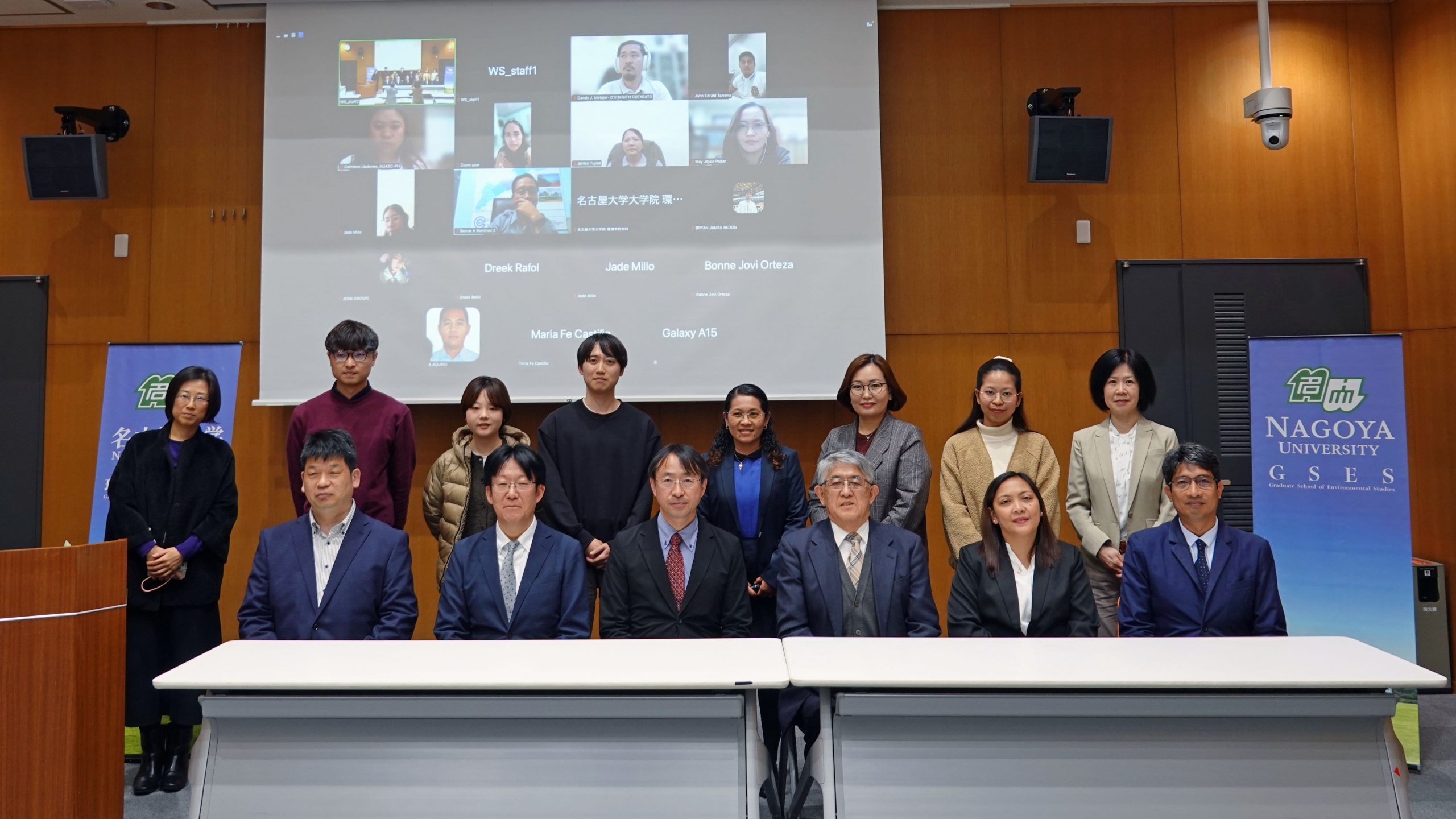
On March 18, 2026, Nagoya University hosted the Nagoya-Philippines Workshop on Water and Watershed Management, bringing together voices from academia, government, and international organizations. The event was jointly organized the Graduate School of Environmental Studies (GSES), the Asia Collaborative Development Department (ACDD), and Japan International Cooperation Agency (JICA) Chubu Office. Participants gather to discuss key challenges, current practices, and opportunities for cooperation in sustainable watershed management in Japan and the Philippines.
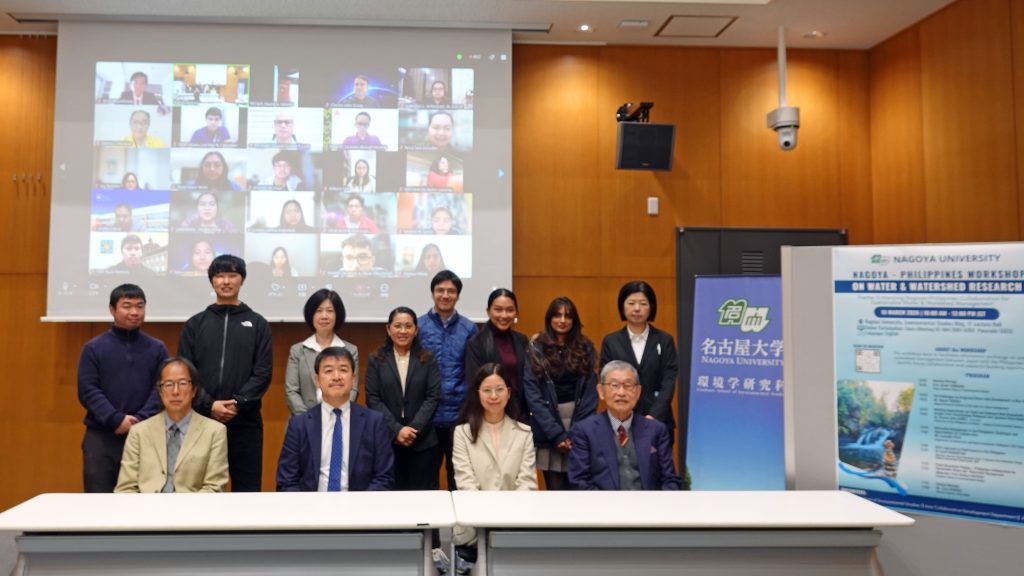
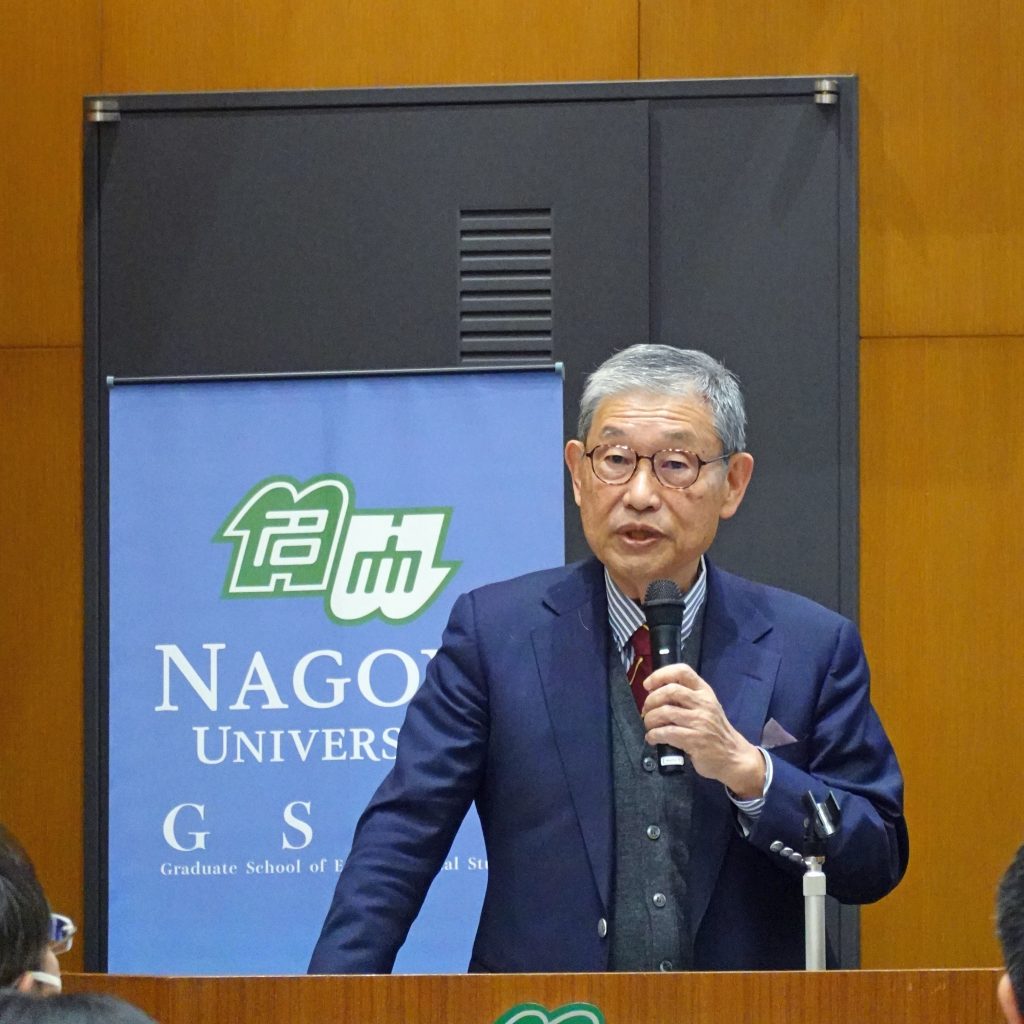
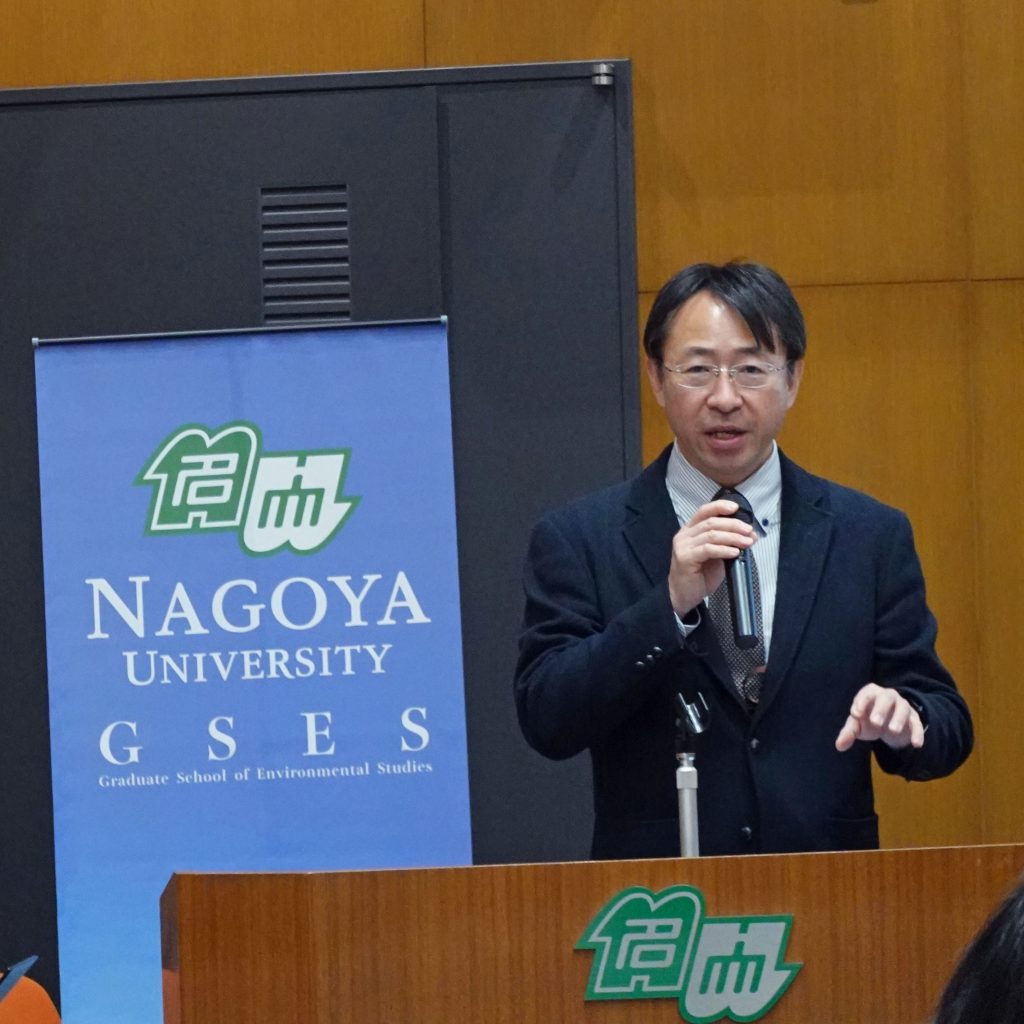
The workshop opened with remarks from Professor Hiroki Tanikawa, Dean of GSES, who drew a natural parallel between the school’s interdisciplinary approach, which integrates environmental, social, and cultural dimensions, and the very nature of watershed management, pointing to the Kiso River Basin as an example. He emphasized the importance of collaboration of various local governments in watershed areas, the role of coordinated governance, shared vision, and inter-municipal cooperation in achieving effective watershed management.
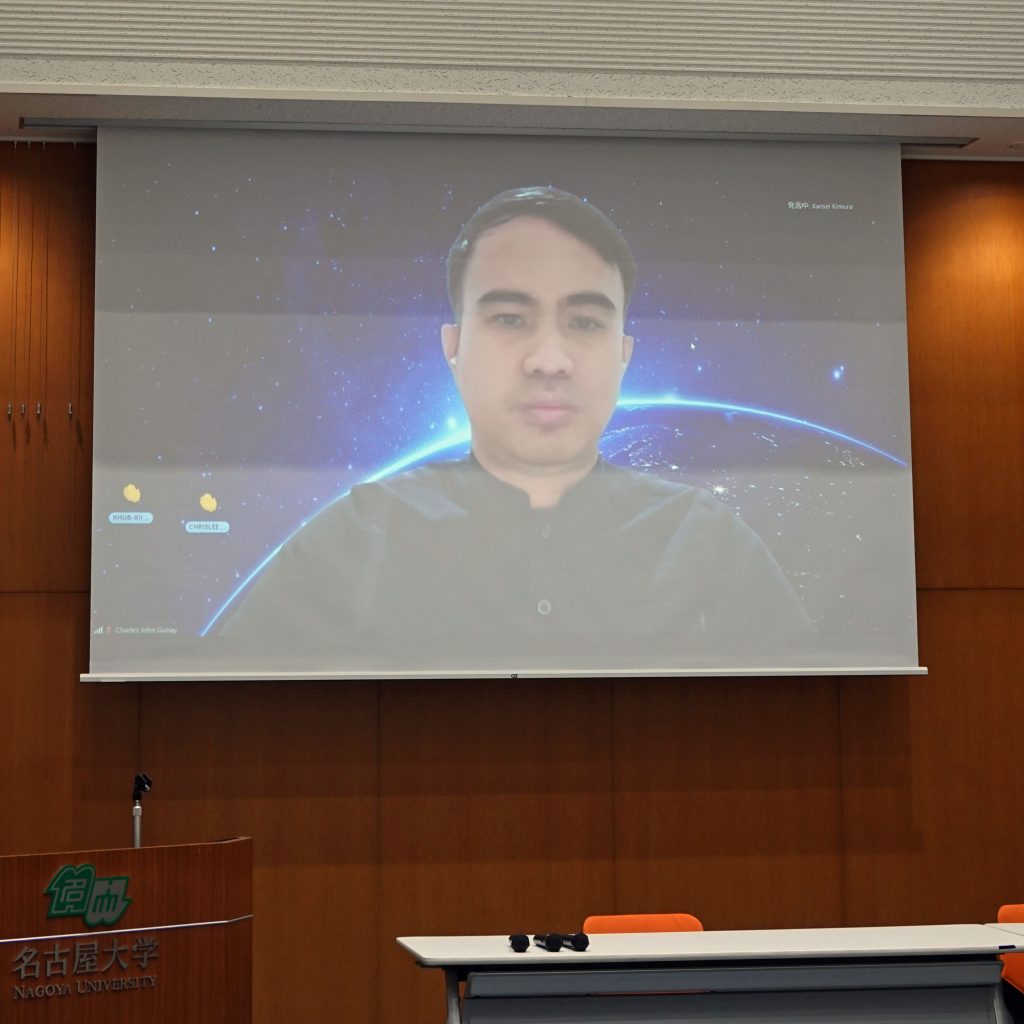
This was followed by the presentation of Dr. Charles John Gunay of University of the Philippines Los Baños, School of Environmental Science and Management (UPLB SESAM), on the use of modeling tools for flood and sediment risk assessment. Using case studies such as the Santa Rosa–Silang Watershed and the Ogouchi Dam Watershed, he demonstrated how simulations can identify erosion, sediment transport, and high-risk areas. He also shared insights from a SATREPS-funded project and emphasized the importance of translating technical results into actionable information for decision-makers and communities through participatory approaches.
Ms. Lemuelle Celis of Department of Environment and Natural Resources (DENR) presented the current state of watershed management in the Philippines, highlighting challenges such as overlapping institutional mandates, watershed degradation, and increasing climate vulnerability. She also outlined ongoing initiatives, including improved monitoring systems, integrated management planning, and conservation efforts, while noting the need for greater capacity-building and financial support.
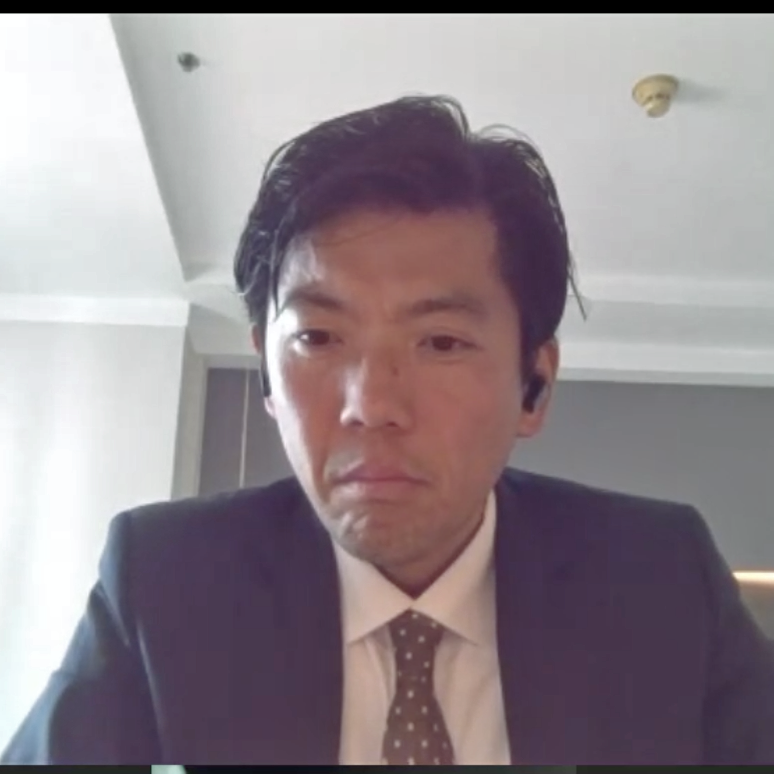
Dr. Taichi Minamitani of JICA discussed the JICA’s approach to flood control in the Philippines, emphasizing the need for proactive investments in disaster risk reduction amid rising economic losses. He outlined strategies to strengthen governance and infrastructure, highlighting long-term efforts in Metro Manila such as river widening and flood diversion. He also noted key challenges in flood control, including limited upstream storage, insufficient river capacity, and urban pressures, underscoring the importance of integrated and forward-looking flood protection planning.
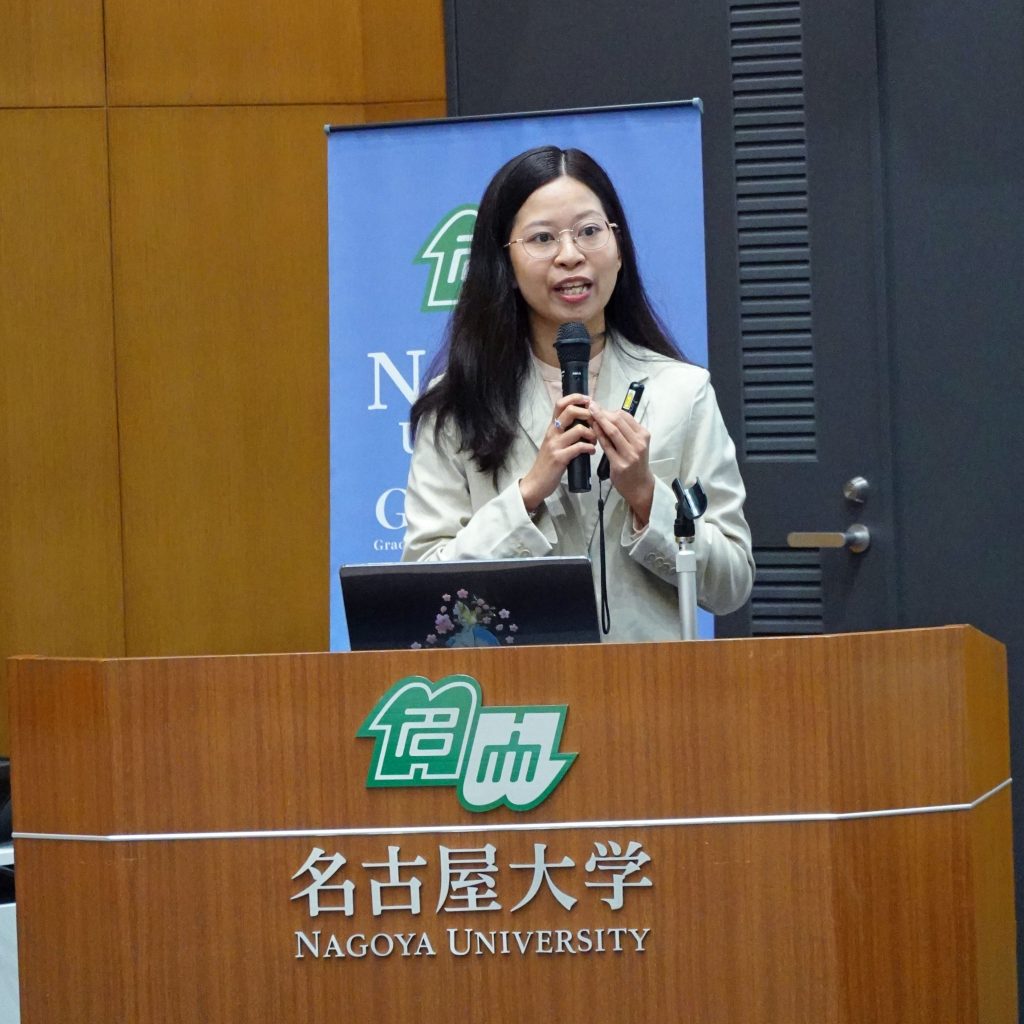
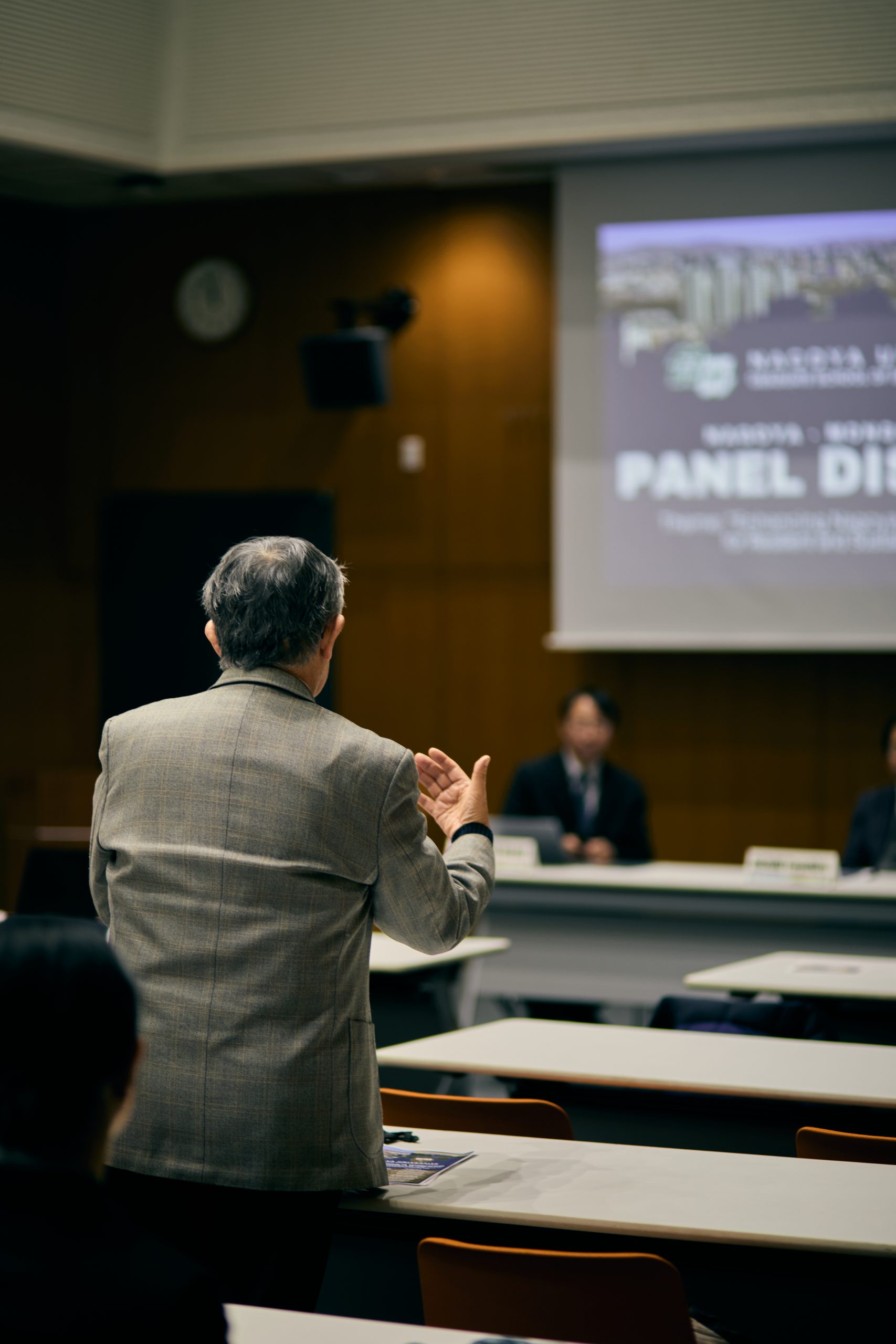
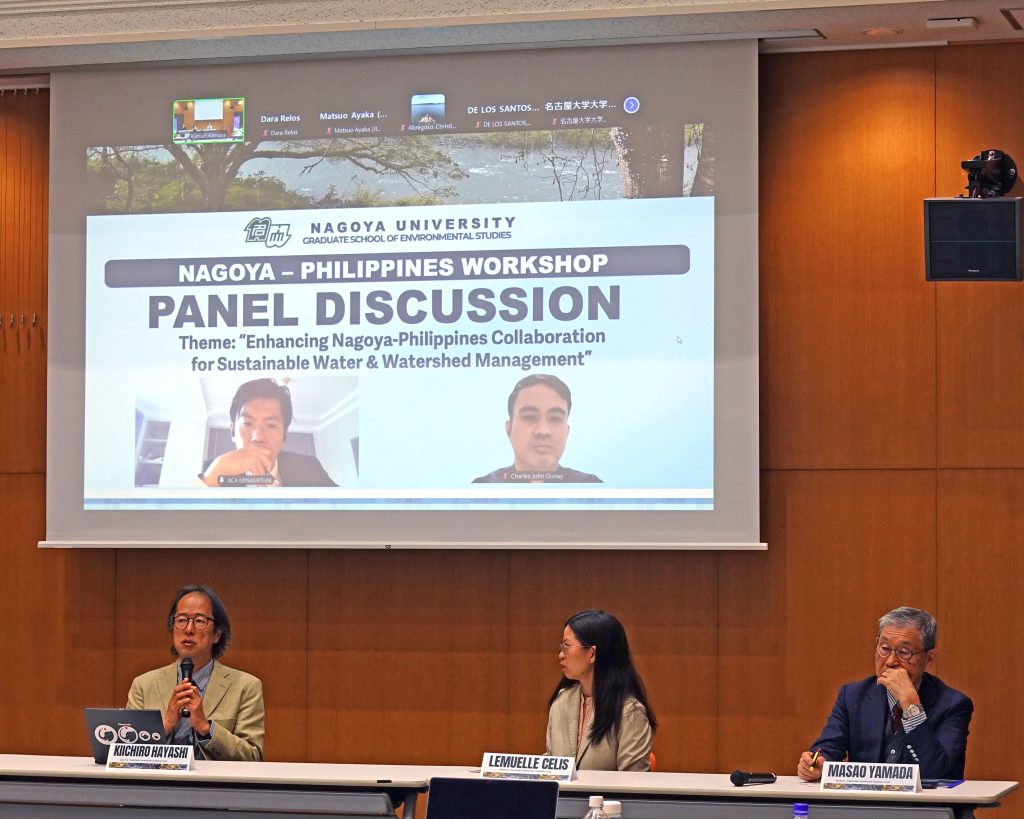
The panel discussion, moderated by Professor Kiichiro Hayashi of Graduate School of Engineering, explored the vital roles of academia, government, non-government and international institutions in addressing the challenges on watershed management. Ms. Celis and Mr. Yamada emphasized the critical role of coordination with local government units and various sectors, as well as the importance of effective data-sharing mechanisms in achieving integrated watershed management. Mr. Yamada also noted that in developing countries, where local capacities may be limited, international cooperation can play a vital role in strengthening watershed management efforts.
Dr. Gunay emphasized the need for improved instrumentation and monitoring in watershed management as a key area for future research. He highlighted the role of academia in providing technical capacity, scientific data, and mentoring, and noted that collaboration between institutions such as University of the Philippines Los Baños and Nagoya University can help bridge gaps between technical and non-technical stakeholders, particularly in strengthening government capacity.
Dr. Minamitani emphasized that JICA expects him to promote sustainable river basin management by fostering an understanding of the importance of flood control measures and encouraging relevant organizations to change their behavior. He also called on the academic community to focus not on developing a variety of models, but on producing outputs that contribute to changing the behavior of relevant organizations, so that they can tackle flood control from a scientific perspective with a view to supporting development in each country. He also highlighted the importance of strengthening Japan-Philippines collaboration, improving stakeholder coordination, and building on the Philippines’ strengths in disaster risk reduction and watershed management.
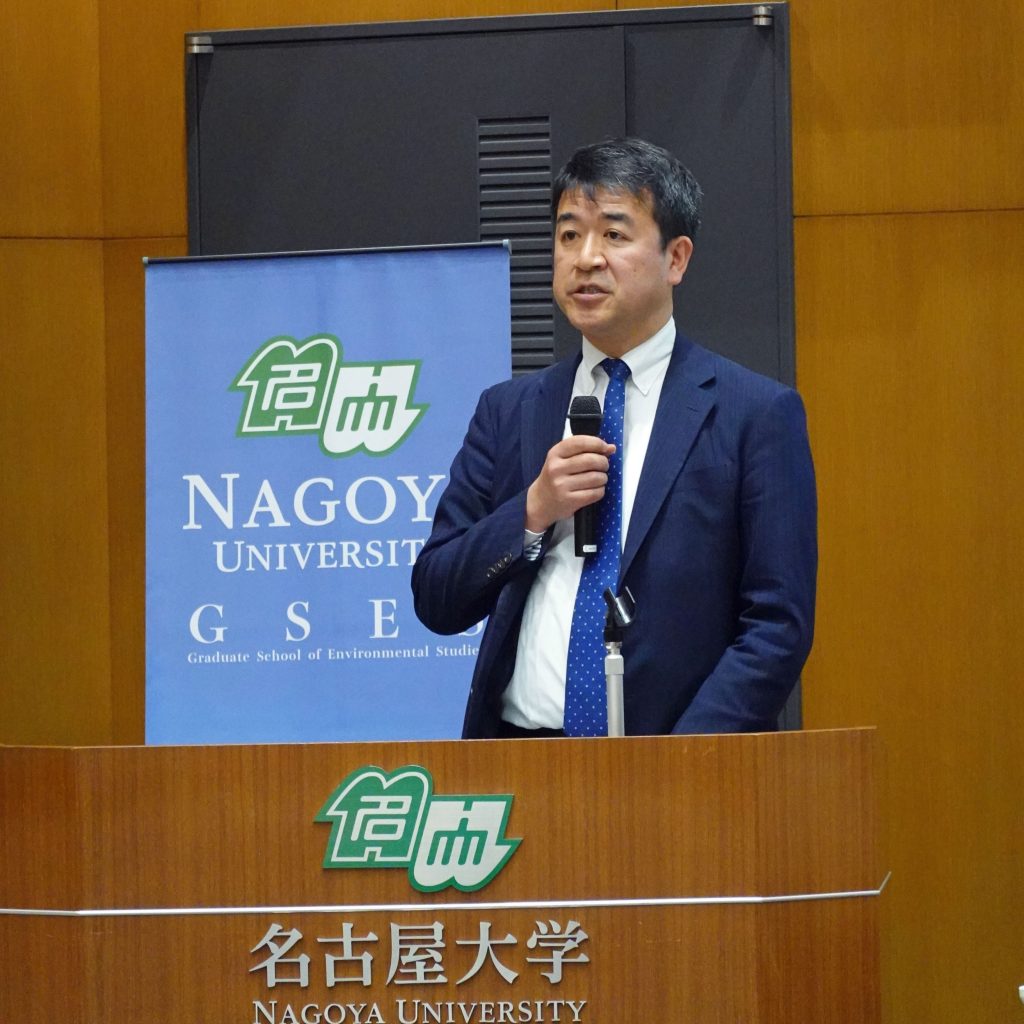
Mr. Toru Uemachi, Director General of JICA Chubu concluded the workshop by expressing appreciation to all participants and highlighting the event as a starting point for broader collaboration, including cross-learning on watershed management between Japan and the Philippines. He reaffirmed JICA’s commitment to supporting joint initiatives and encouraged continued dialogue and partnership between stakeholders from both countries.