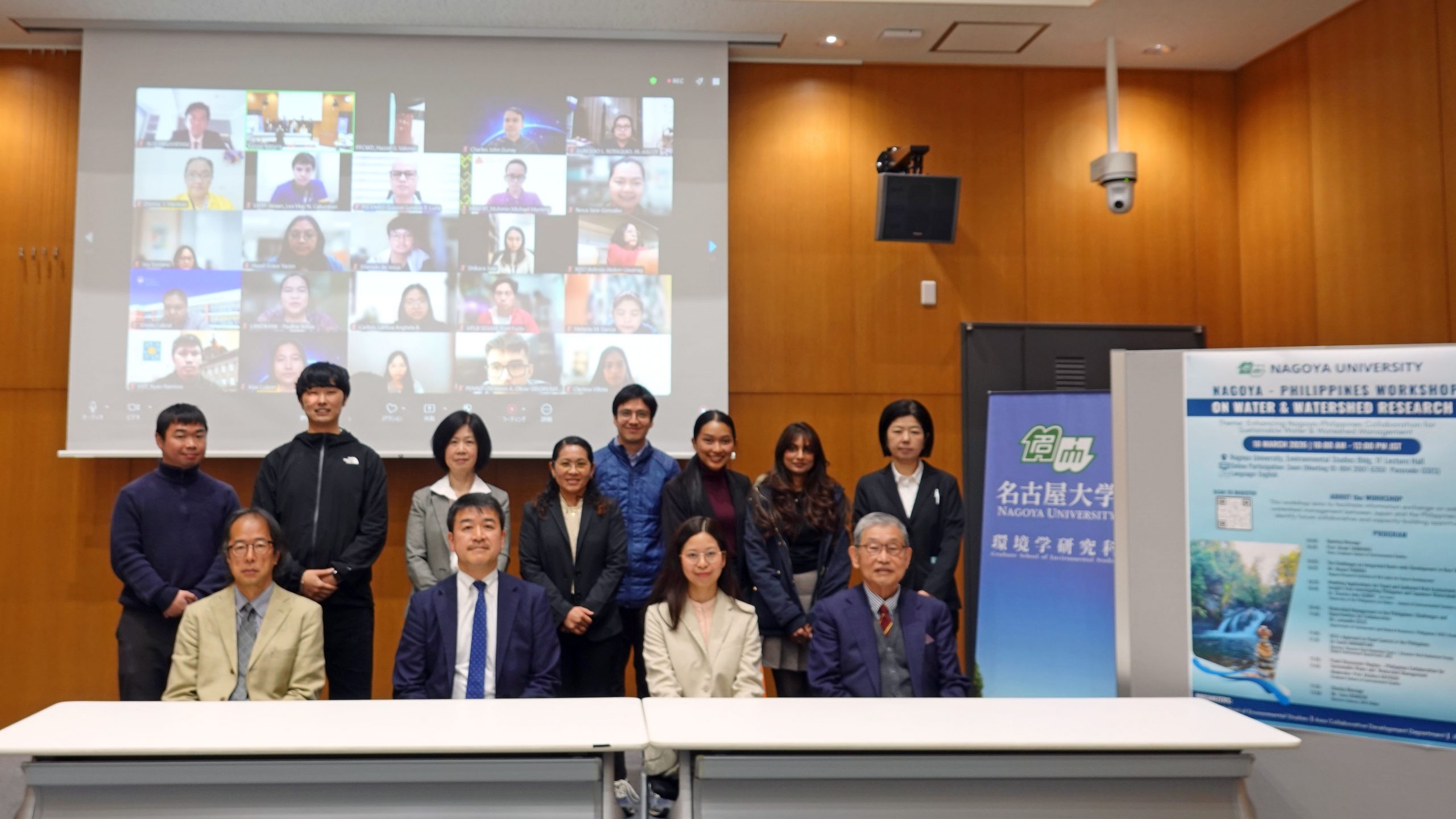
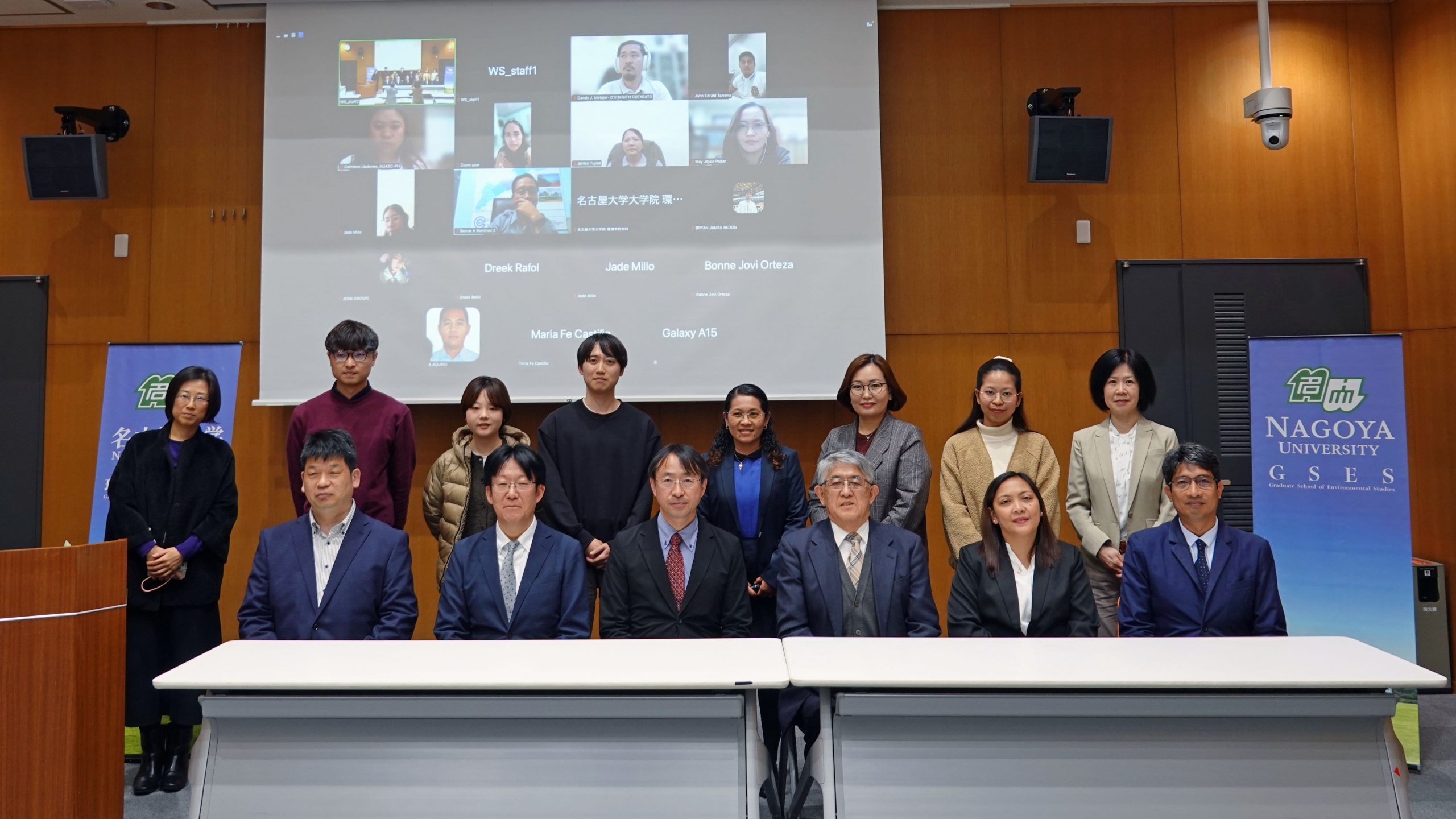
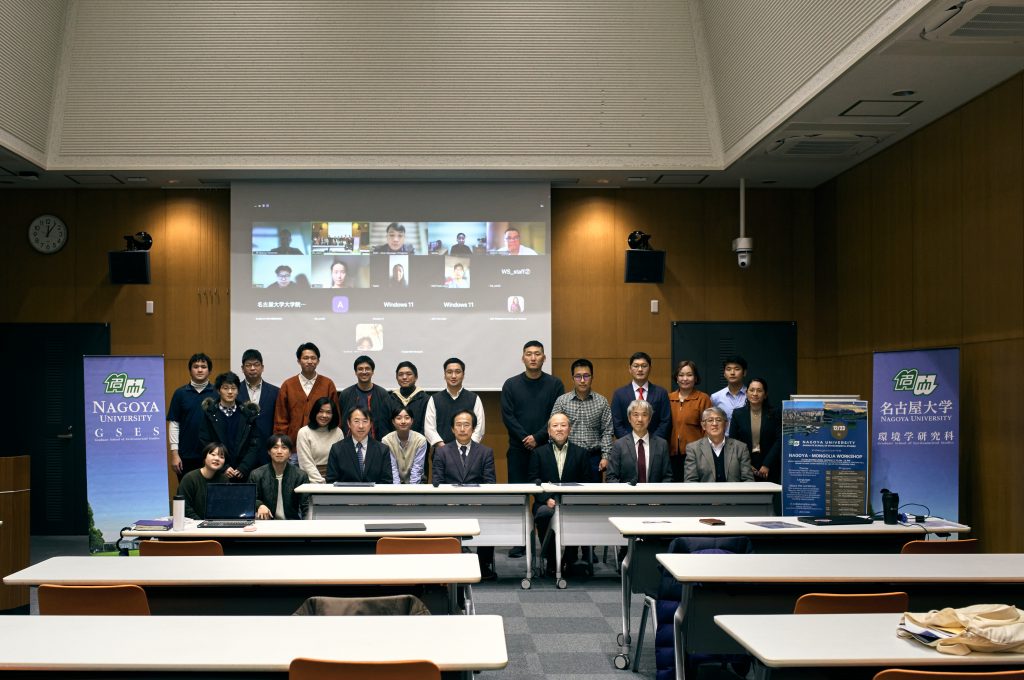
Researchers, government officials, and international cooperation specialists gathered at Nagoya University on 23 December 2025 for a workshop addressing Mongolia’s most pressing disaster and environmental challenges. The event, titled “Enhancing Nagoya-Mongolia Collaboration for Resilient and Sustainable Environment,” was organized by the Graduate School of Environmental Studies (GSES) with support from the Nagoya University Asia Collaborative Development Department and JICA Chubu.
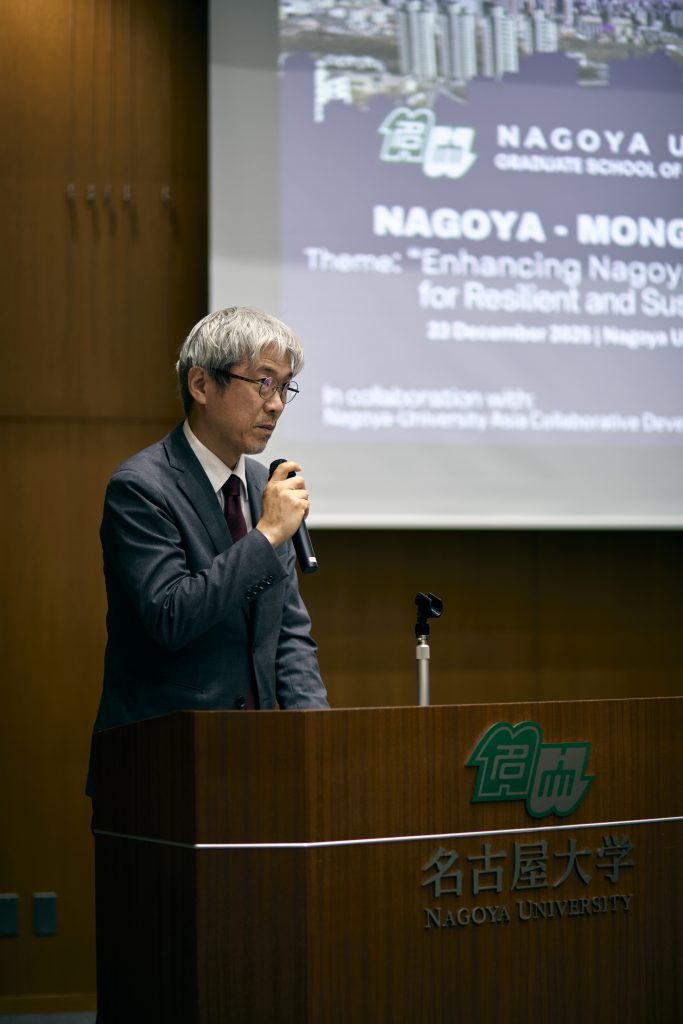
Held in the Environmental Studies Building lecture hall, the workshop aimed to strengthen information exchange between Nagoya and Mongolia while identifying opportunities for future collaboration and capacity building. Prof. Hiroki Tanikawa, Dean of the Graduate School of Environmental Studies, opened the proceedings.
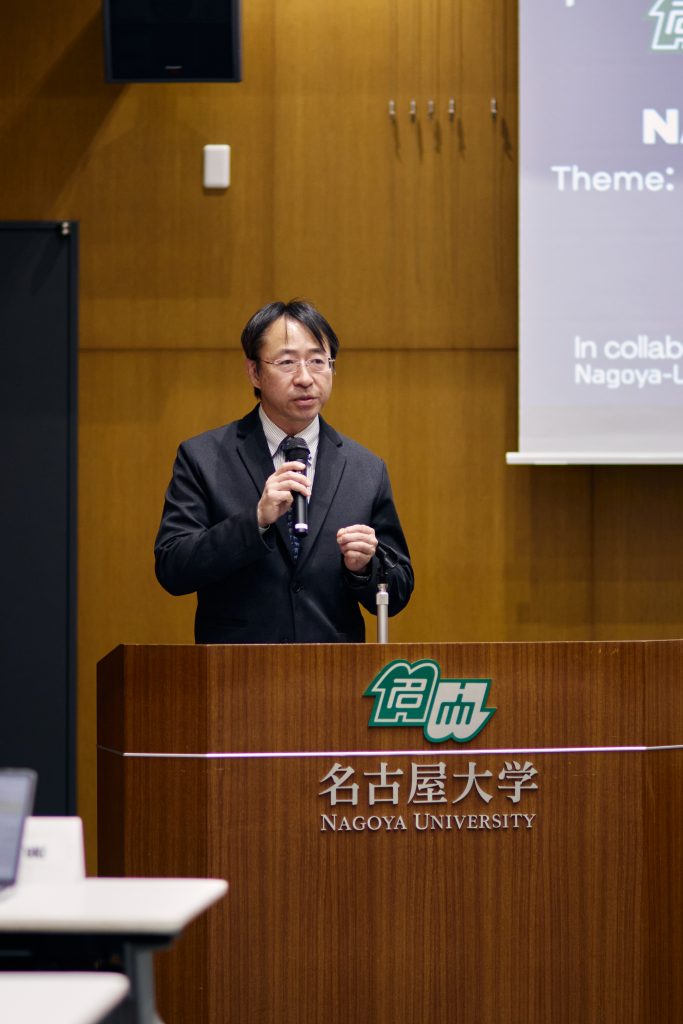
Professor Yasuhiro Suzuki led off the presentations with an overview of Nagoya University’s two decades of earthquake resilience research in Mongolia. Central to this work has been the establishment of community-based disaster prevention programs modelled on Japanese practices. Looking ahead, Prof. Suzuki highlighted emerging partnerships with Uzbekistan that seek to extend Japanese disaster research methodologies into Central Asia.
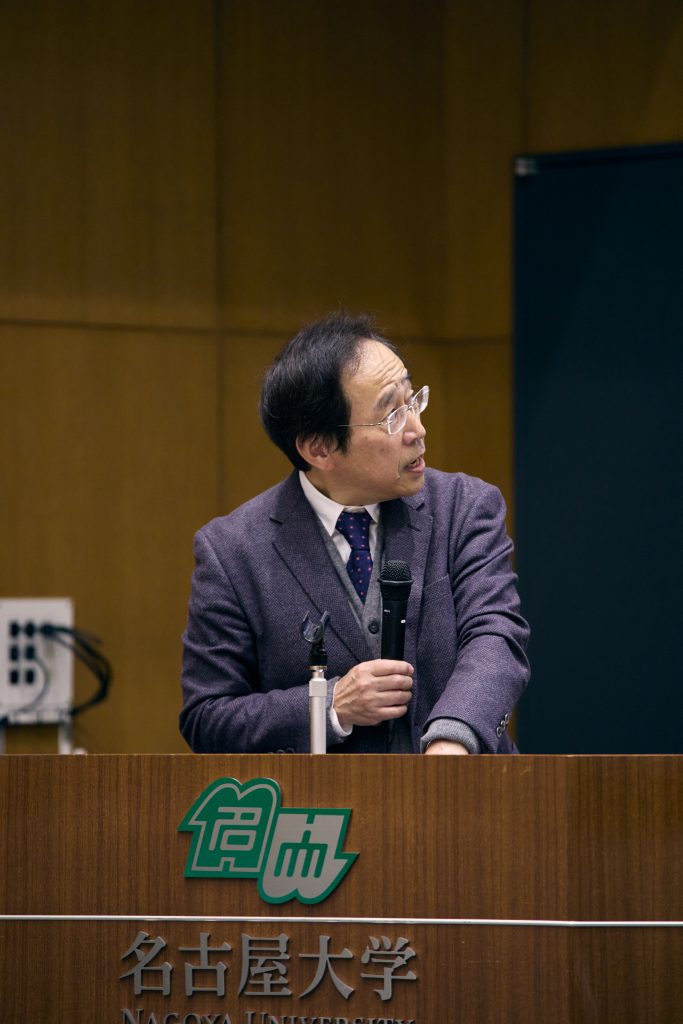
Building on the theme of environmental hazards, Professor Masato Shinoda turned the discussion to dzud—a severe winter disaster characterized by extreme cold, heavy snowfall, and icy conditions that prevent livestock from grazing. Dzud events cause mass animal deaths and devastating economic losses for herding communities. These disasters are often compounded by preceding summer droughts that leave livestock weakened before winter sets in.
Prof. Shinoda detailed his team’s multi-pronged approach to the problem, which includes village-scale pasture capacity mapping, multi-hazard risk assessments that integrate drought, dust storms, and winter severity, and long-term sustainability modelling for Mongolia’s herding society. Notably, this research now underpins early warning systems deployed by the Mongolian government and international aid organizations.
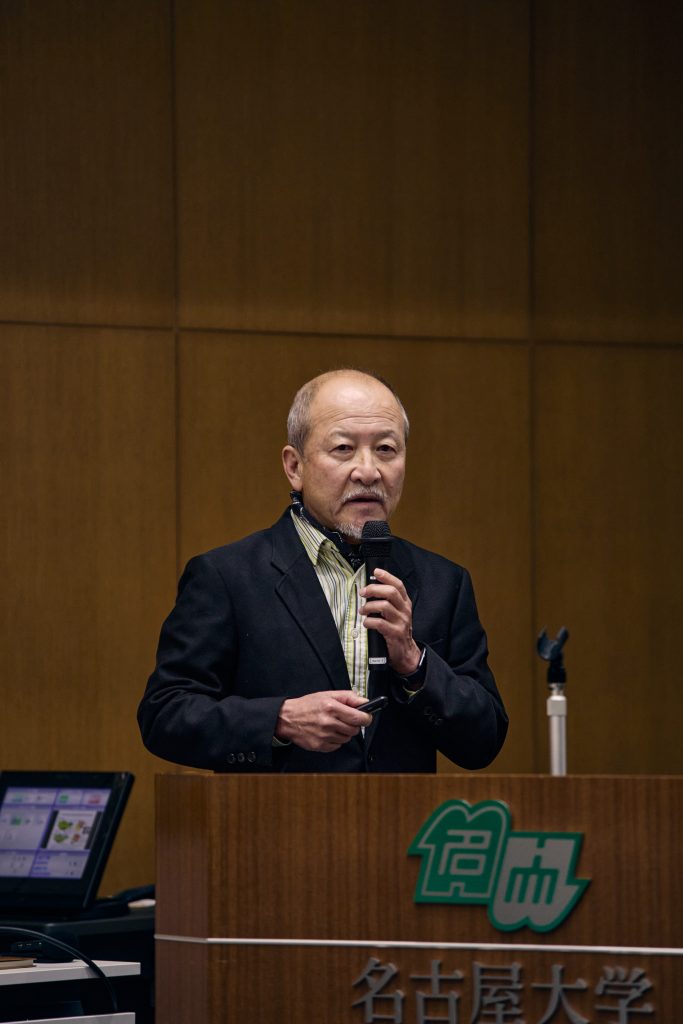
The workshop also featured perspectives from two Mongolian government officials currently pursuing graduate studies at Nagoya University through the Transnational Doctoral Programs for Leading Professionals in Asian Countries of Nagoya University Asian Satellite Campuses Institute (NU ASCI). Mr. Zorig Tuvdendorj of the National Emergency Management Agency (NEMA) outlined his country’s disaster risk management framework, tracing NEMA’s organizational evolution and explaining how Mongolia’s policies align with the Sendai Framework for Disaster Risk Reduction. He also described the coordination mechanisms that link national, regional, and local authorities.
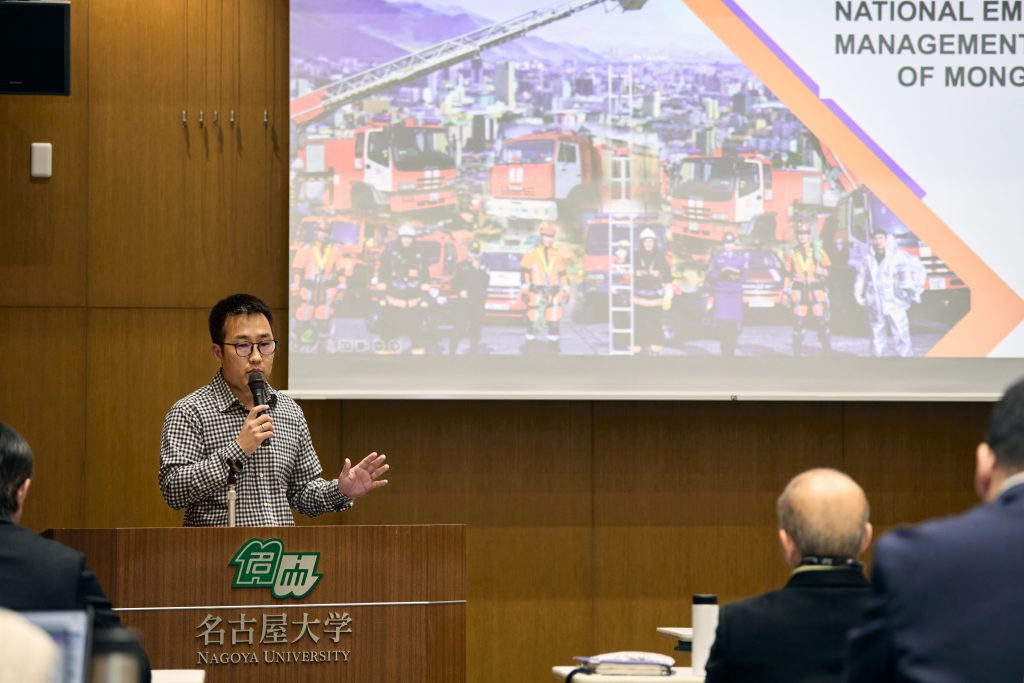
Following Mr. Tuvdendorj, Mr. Tulga Mendjargal of the Biodiversity and Adaptation to Climate Change Project shifted focus to urban environmental issues. His research examines vehicle lifespans, material stocks in the construction and transportation sectors, and the potential for circular economy practices in Ulaanbaatar.
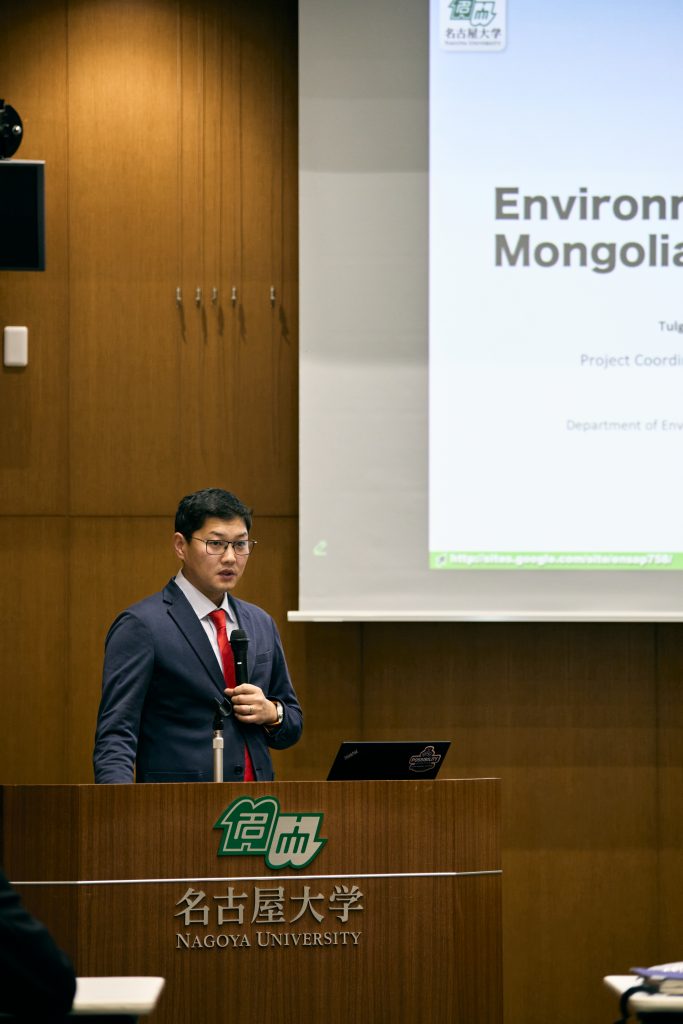
Rounding out the program, Mr. Takatoyo Yamamoto, the Project Formulation Officer of JICA Mongolia presented ongoing cooperative projects to build resilient communities and promote environmental sustainability.
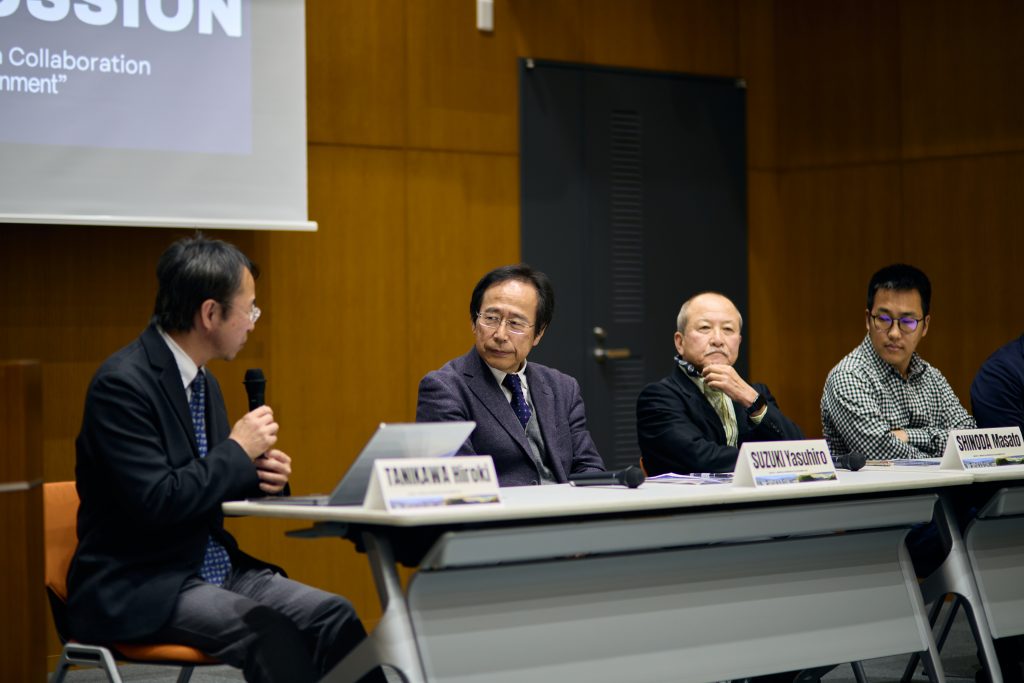
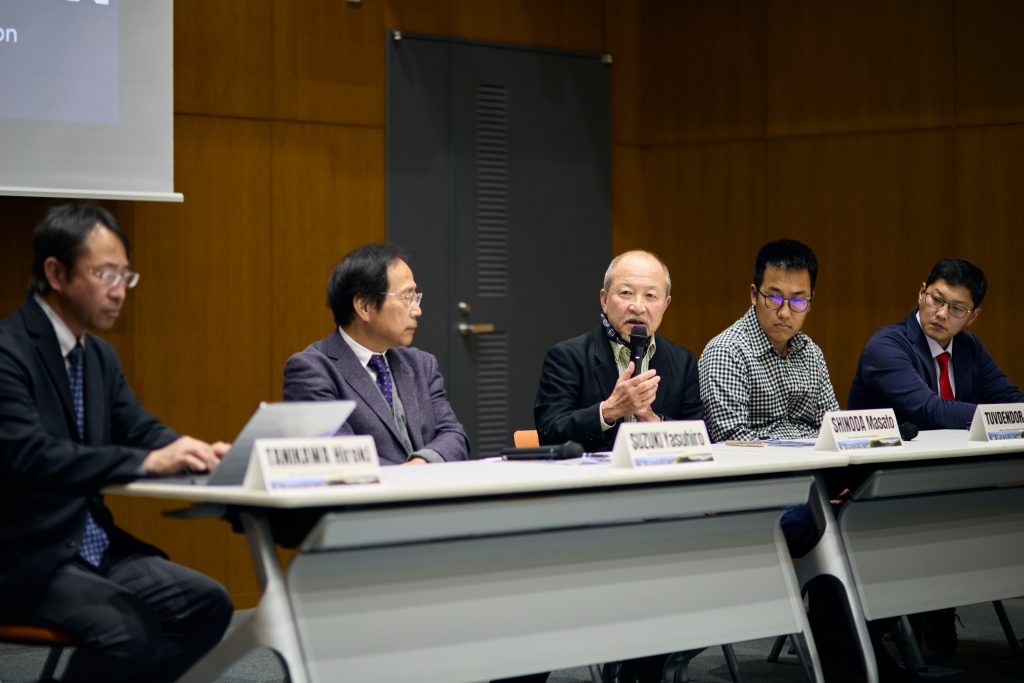
A panel discussion moderated by Prof. Tanikawa then gave panelists the opportunity to explore common themes and future directions. Prof. Suzuki recommended that GSES continuously explore opportunities to conduct research in Mongolia. Prof. Shinoda emphasized the importance of a long-term research perspective, highlighting the need to integrate the concept of “sustainability” into research activities. Access to available data, both from intensive research projects and from Mongolian government agencies, was also discussed. Mr. Yamamoto noted that JICA Mongolia has been supporting a major initiative aimed at integrating existing datasets in Mongolia. Furthermore, the discussion underscored the importance of building strong human connections to foster trust and facilitate mutual learning.
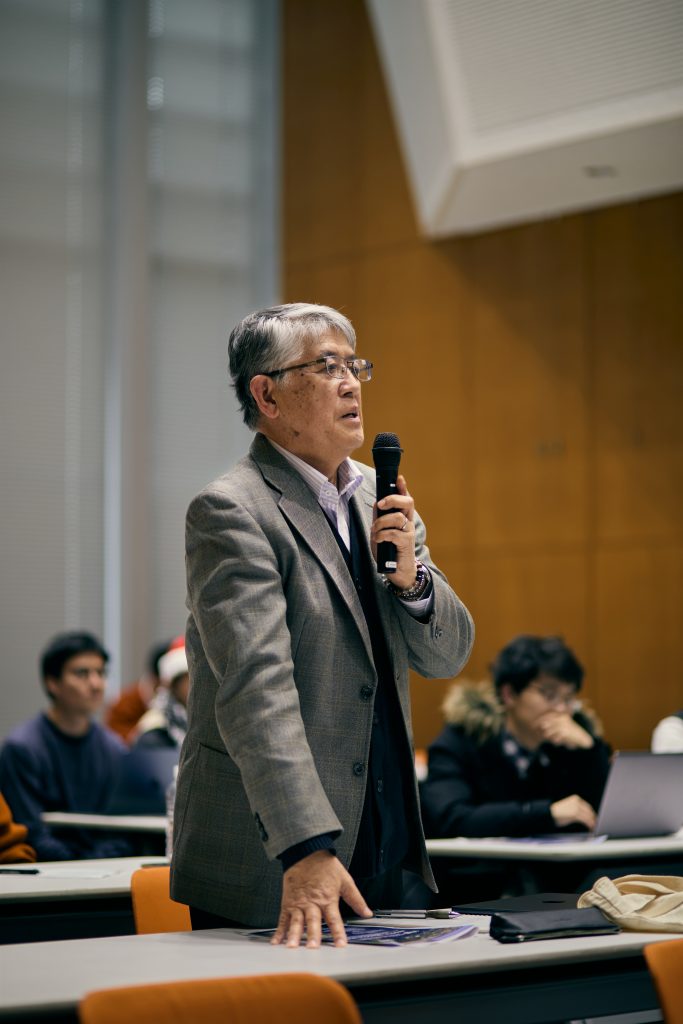
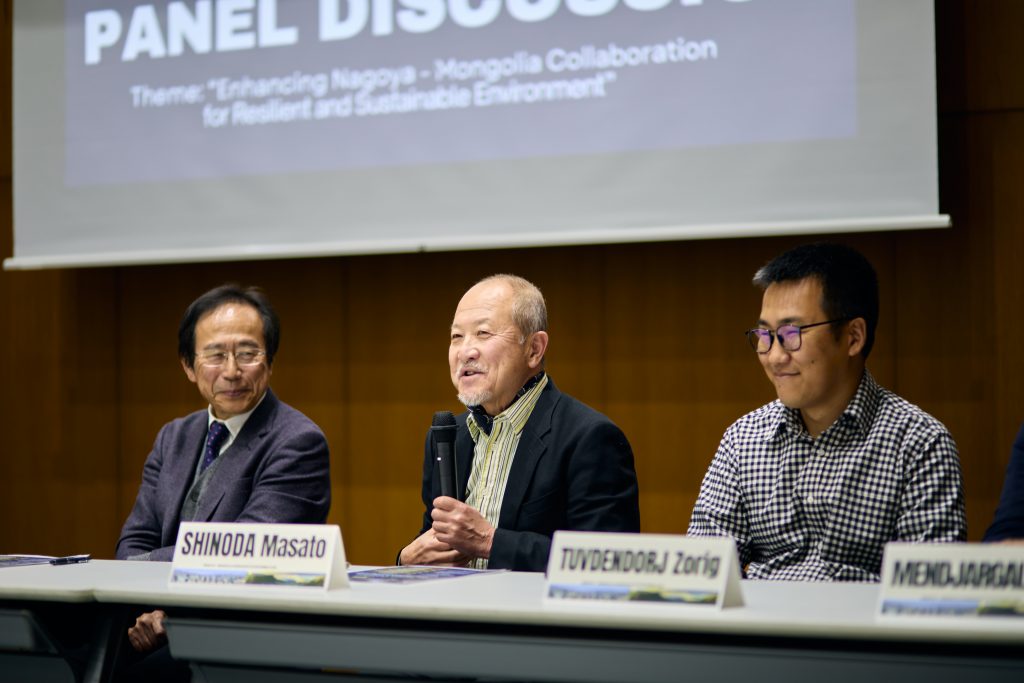
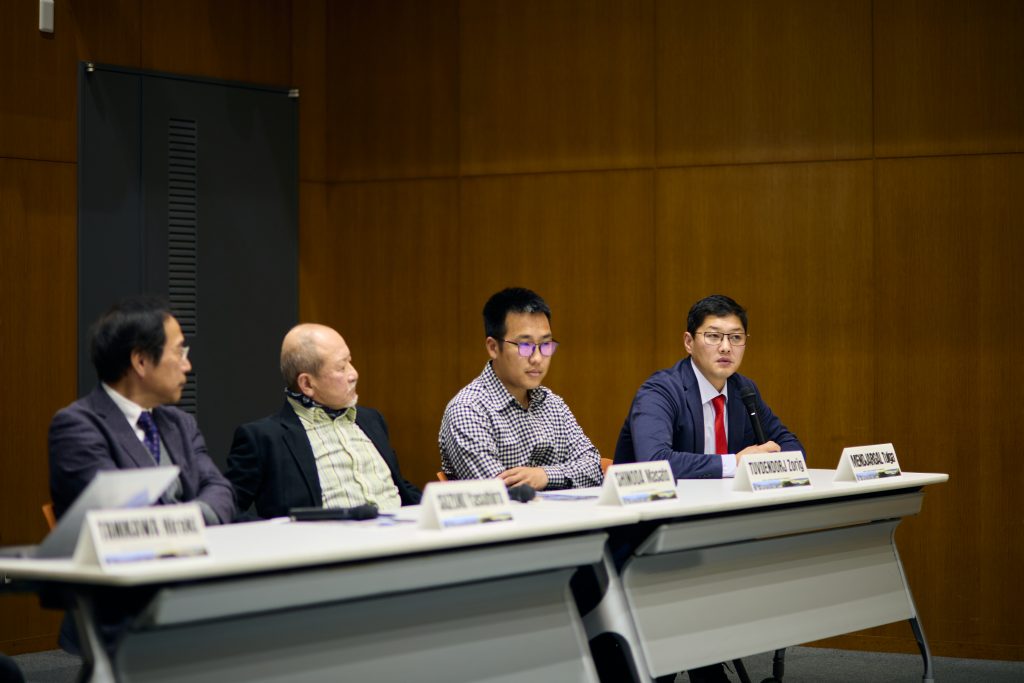
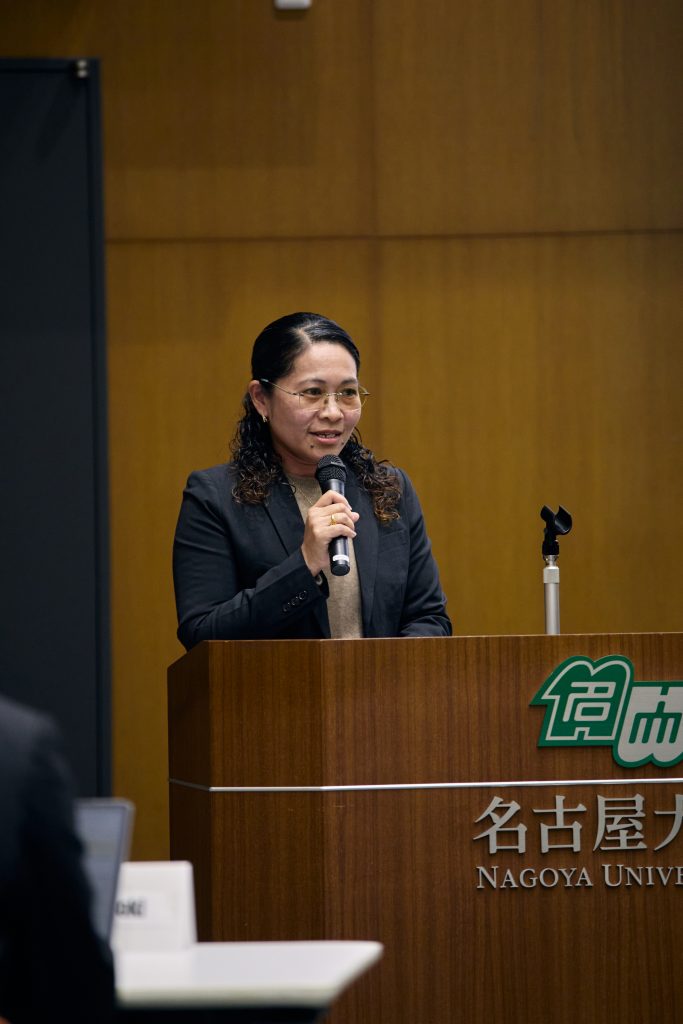
Mr. Takashi Nishimura, Deputy Director General of JICA Chubu delivered the closing remarks, where he emphasized the commitment of JICA Chubu to advance its cooperative relationship with Nagoya University.
Researchers
-
SUZUKI YasuhiroDisaster Mitigation Research Center
-
 SHINODA MasatoGraduate School of Environmental Studies, Department of Earth and Environmental Sciences, Global Environmental Variation
 -
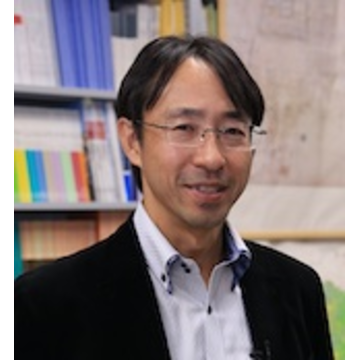 TANIKAWA HirokiGraduate School of Environmental Studies, Department of Environmental Engineering and Architecture, Material-Systems Science in Environment