
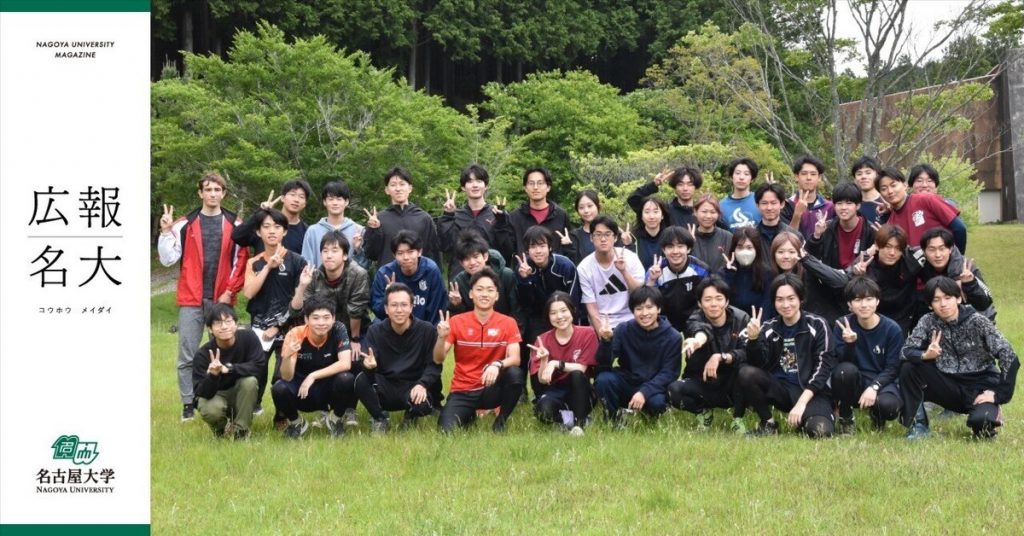
Orienteering is a sport where athletes race through forests using a map and compass. In central Japan, only Nagoya University, Sugiyama Jogakuen University, and Shizuoka University have orienteering clubs (OLC), and Nagoya University students train together with students from Sugiyama and Nagoya Institute of Technology. The Nagoya University OLC is a powerhouse with athletes selected for competitions at both the national and international level. With two members receiving the Athletic Association President’s Award in 2024, we investigated the appeal of the sport and the secrets behind the club’s strength.
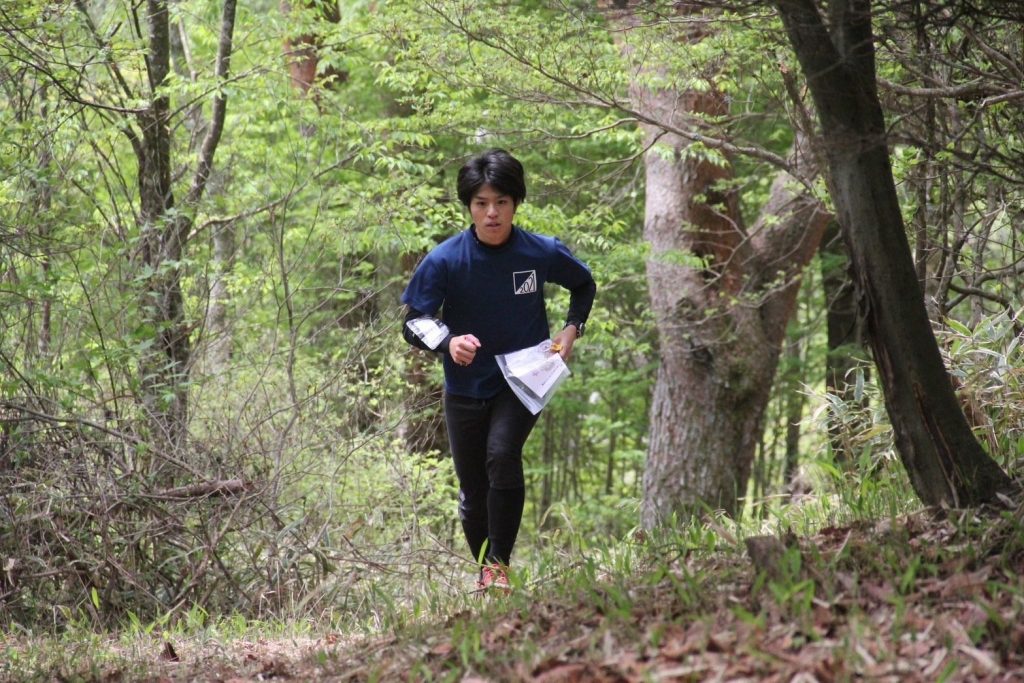
A sport that tests intellect, running ability, and stamina
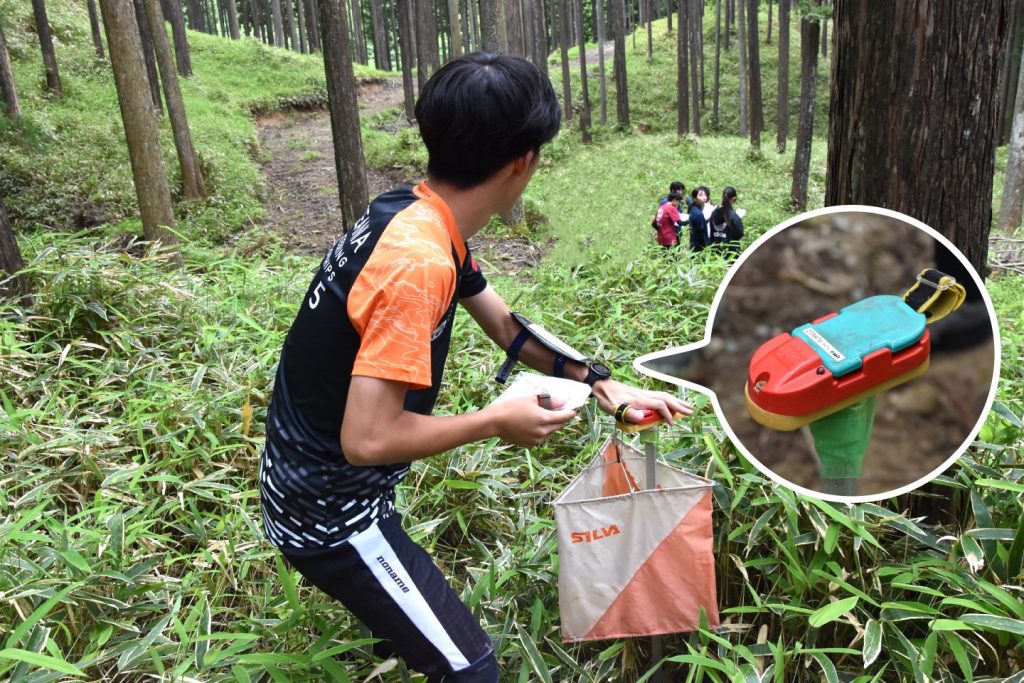
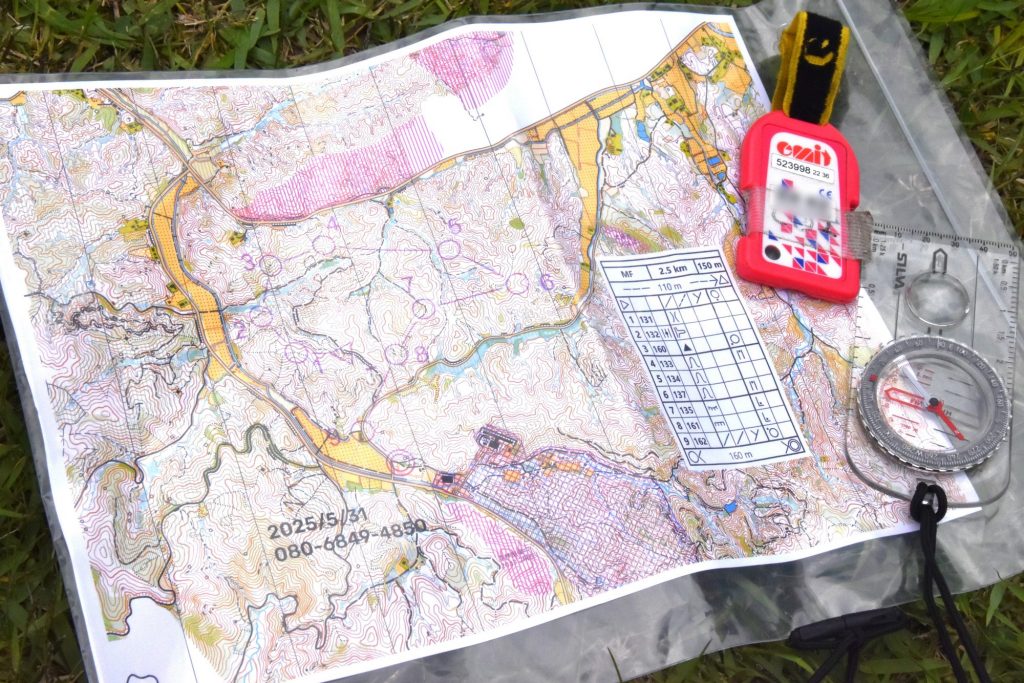
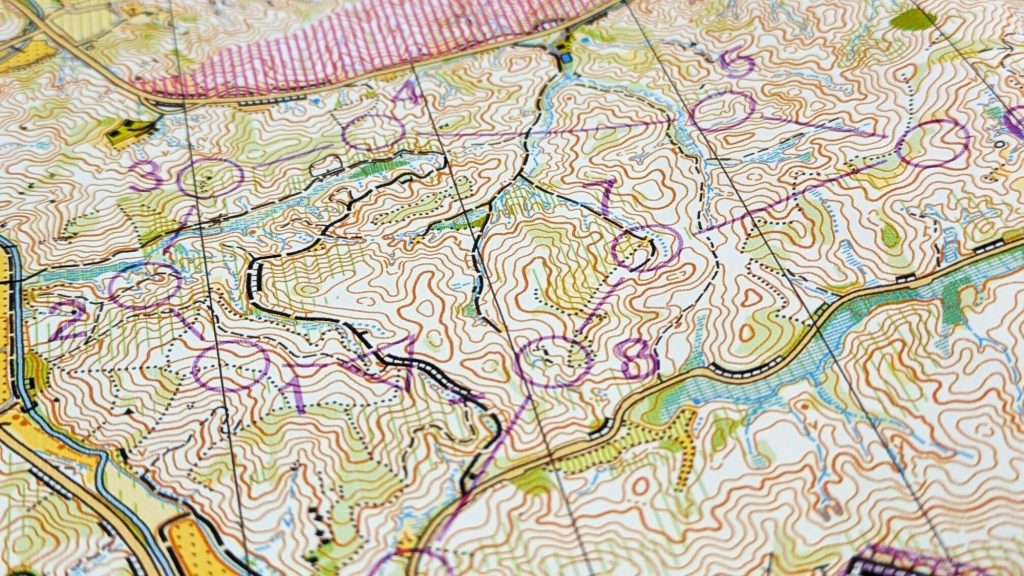
In orienteering, competitors use a map and compass to navigate through nature, visiting designated checkpoints (controls) in a specific order while racing against time. The map marking the control locations is handed out at the start, and athletes must read the map while running, checking terrain and vegetation to select the optimal route—this is both the difficulty and appeal of the sport. Strategy is essential: getting lost impacts your overall time, and taking only uphill routes drains your energy. While running ability and stamina are important, map-reading and route selection skills are equally crucial. Team captain Mizuno (third-year undergraduate) explains why the sport is so captivating: “It feels great when the scenery in front of you perfectly matches the map, and you reach the control without any deviation. But it’s also fun when you don’t know where you are and your brain feels like it’s going to explode!”
Mostly everyone starts as an absolute beginner
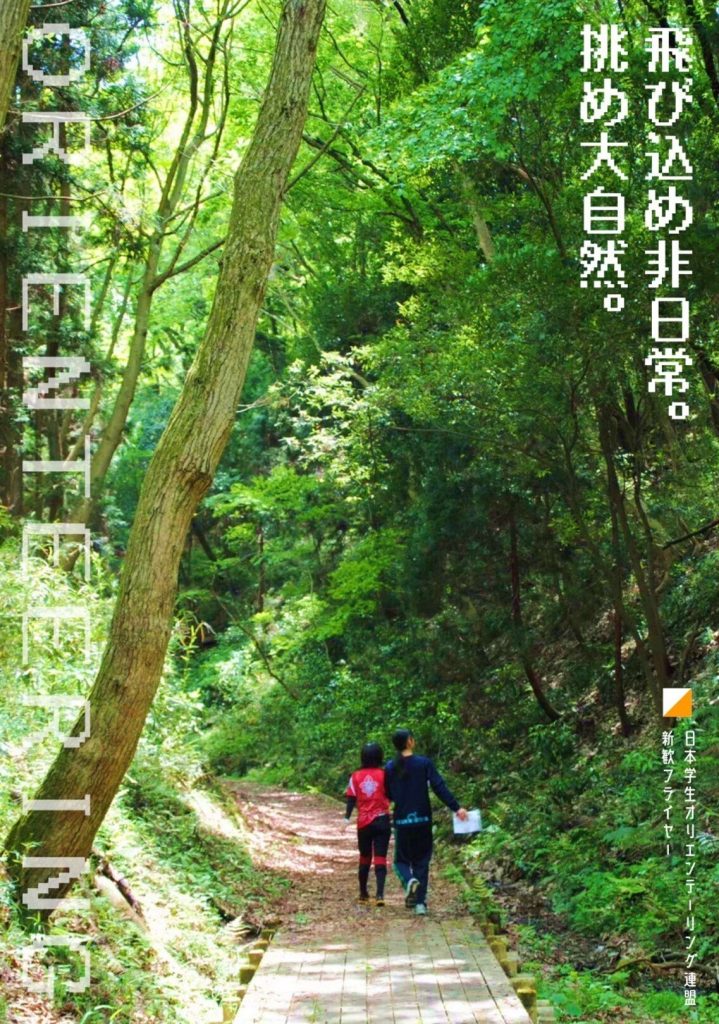
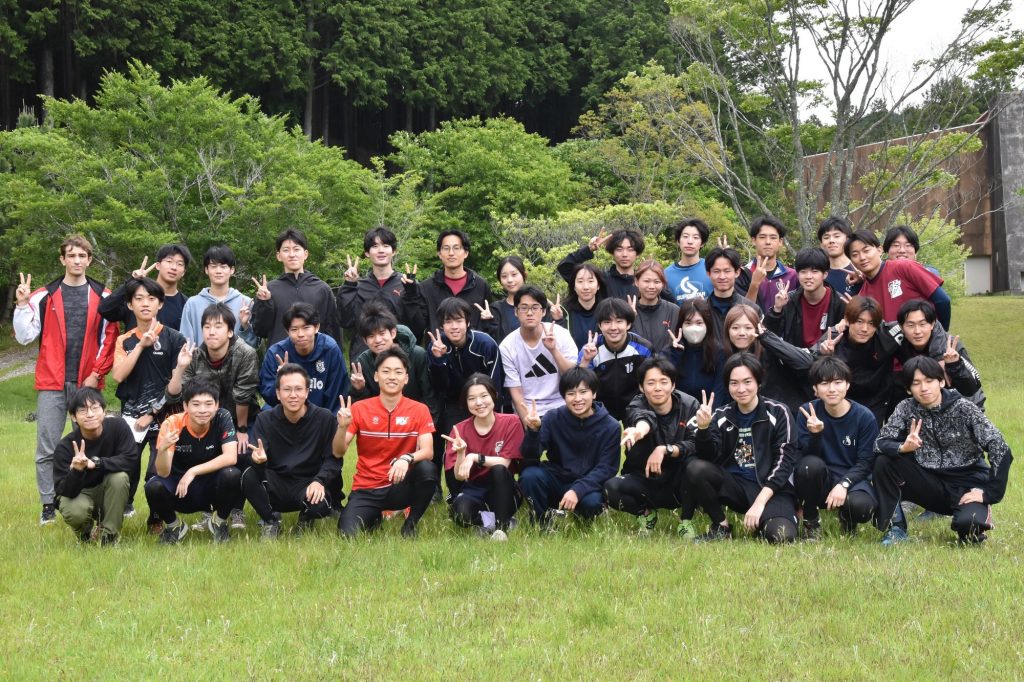
Nagoya University OLC has approximately 90 members (including students from other universities). Most have no prior experience and join because they want to try something new in college. Mizuno shares his motivation for joining: “I was in the mountain climbing club in high school, but I wanted to climb faster. There was a photo on a flyer I picked up at one of the club recruiting events for new students of people running through forests, and it really appealed to me.”
Trial sessions for first-year students are held on weekends in April and May each year. About 10 first-year students participated in one event held in late May 2025 in Okazaki, Aichi Prefecture. Upper-class students and first-years form groups to practice map reading and compass use as they explore and familiarize themselves with the mountains. As they plan their routes, students weigh different options: “I want to go straight to the control and take the shortest route!” “It might be faster to choose a route that’s a bit longer but has fewer climbs.” As they make their way between checkpoints in the forest, they observe unusual insects and find deer tracks. Once actually in the mountains, fallen trees, marshes deep enough to trap feet, and steep slopes block their path, consuming considerable energy just to walk. Descending steep slopes becomes a battle against fear itself. “Even a moment’s hesitation causes time loss, so you have to overcome fear and run through,” Mizuno explains.
From novices to the world stage in just one year
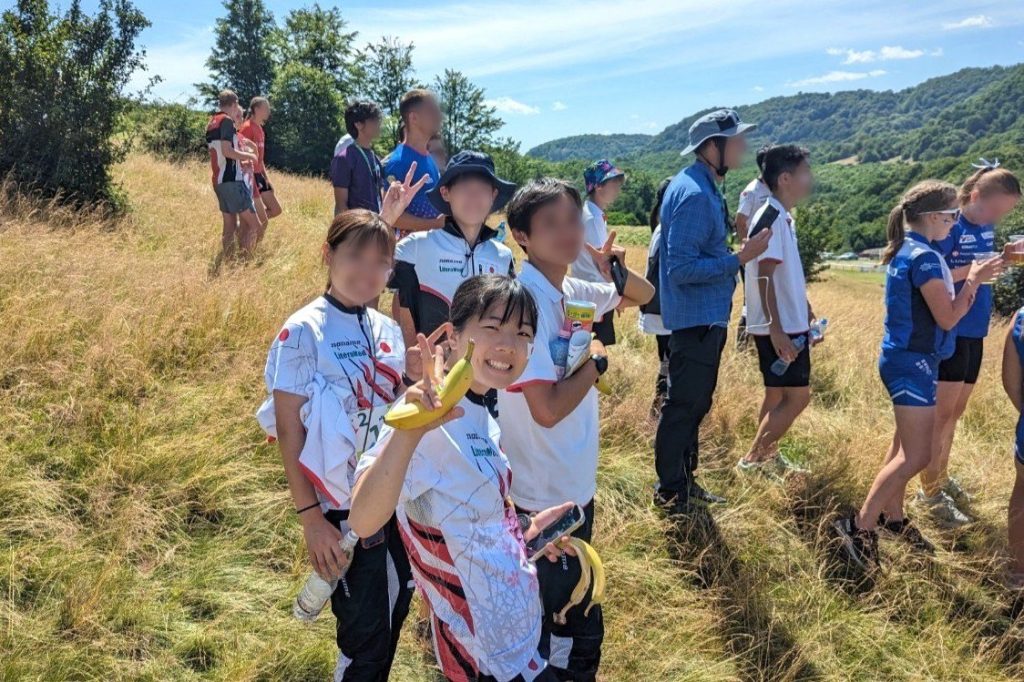
Due to the relatively small number of athletes, even students who start in college can realistically work their way up to the top domestic level. One club member, Nakano (fourth-year undergraduate), advanced through domestic qualifying competitions after about one year of experience and represented Japan at the Junior World Championships (under-20 division) held in Romania in 2023. Despite having no prior experience, she immediately became absorbed in the sport after joining, heading to the mountains almost every week and dedicating herself to improving her map-reading skills.
Nakano rapidly grew into a national-level athlete, but the international level presented a much steeper challenge. “I really felt the gap with overseas athletes in map-reading speed and core strength that allows them to maintain speed even on poor footing,” she said, reflecting on the world championships. Nakano continued to achieve outstanding results, including competing in the Intercollegiate Championships, and received Nagoya University’s Athletic Association President’s Award last year. She is not the only strong competitor—Ichikawa (first-year master’s student), who also received the award, won the Tokai Competition. Many other national-class athletes are also members.
Managing competitions attended by hundreds
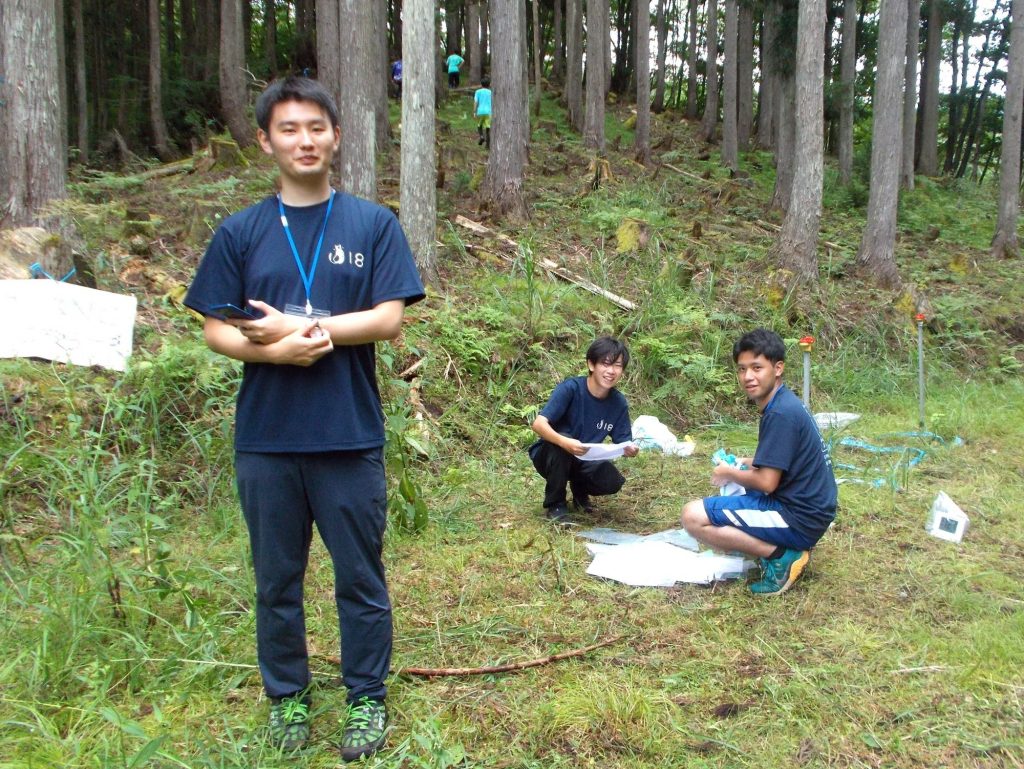
Nagoya University OLC hosts an annual competition called the “Meisugi Competition,” which is open to the public. Held in Aichi and Gifu Prefectures, the club members handle everything from advance preparation to day-of operations. From setting courses and creating maps to negotiating with venues and local governments and recruiting sponsors, students divide up the tasks to handle everything. On competition day, they do not participate as athletes but are busy with operations from morning to night, handling participant registration, course setup, time measurement, and traffic control. Vice-captain Maekawa (third-year undergraduate) expresses gratitude for the support from graduates: “Handling every single detail of competition planning ourselves is really challenging, but we manage thanks to advice from our alumni.”
The 19th Meisugi Tournament was held August 29-31 in Shitara, Aichi Prefecture, and was held at the same time as the international Asia Junior and Youth Orienteering Championships. “This will be our largest-scale tournament yet,” said Mizuno during the preparation leading up to the event, “so we want to do our best to make it a success.”
Originally published in Japanese on June 27, 2025.
Related links in Japanese
- Nagoya University Orienteering Club website
- Nagoya University Orienteering Club archive website (~Spring 2023)
- Nagoya University Orienteering Club X (formerly Twitter) and Instagram